Introduction
Sunflower seeds, Helianthus annuus, represent a significant commodity within the global agricultural market, particularly in bulk sales for industrial processing, animal feed, and human consumption. These seeds occupy a critical position in the oilseed industry, second only to soybeans in global production volume. Bulk sale factories specialize in the aggregation, processing (de-hulling, drying, grading), and distribution of sunflower seeds to a diverse range of downstream industries. Core performance characteristics impacting market value include oil content, protein content, moisture content, kernel size, hull percentage, and the presence of extraneous matter. The industry currently faces challenges related to maintaining seed quality during large-scale handling, minimizing mycotoxin contamination, and optimizing logistical efficiency for global distribution. Ensuring consistent seed characteristics across large volumes is paramount for maintaining contract specifications and minimizing customer rejection rates. This guide will detail the material science, manufacturing processes, performance specifications, potential failure modes, and maintenance protocols pertinent to sunflower seed bulk sale operations.
Material Science & Manufacturing
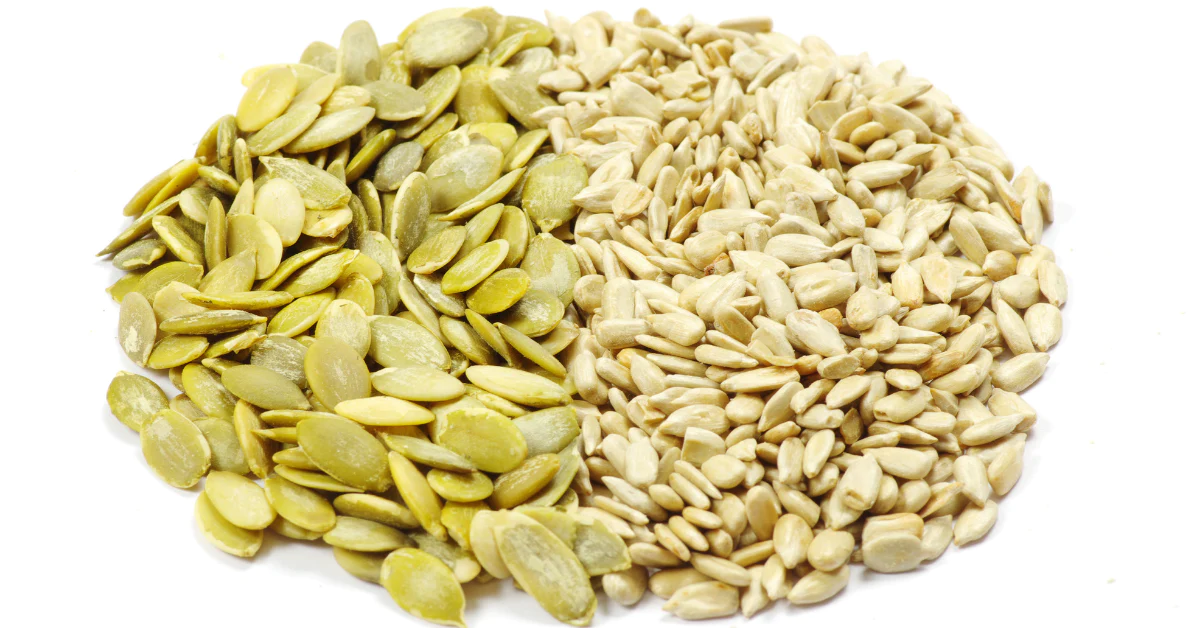
Sunflower seeds are composed of approximately 35-55% oil, 20-25% protein, 15-20% carbohydrate (primarily fiber), and 5-10% moisture. The oil is rich in linoleic acid (an omega-6 fatty acid) and oleic acid (an omega-9 fatty acid), dictating its suitability for various applications. The seed hull, or pericarp, is composed largely of cellulose and lignin, providing structural integrity and protection during growth. Manufacturing begins with harvesting, typically employing combine harvesters equipped with specialized seed collection systems. Post-harvest processing is critical. Cleaning removes chaff, stems, leaves, and other debris using a combination of air separation, screening, and aspiration. De-hulling removes the outer hull, increasing the oil content and improving processing efficiency. This is commonly achieved through impact dehulling or roller dehulling methods. Drying is essential to reduce moisture content to a target range of 8-10% to prevent mold growth and preserve oil quality. Drying typically occurs in large-scale continuous flow dryers using heated air. Key parameters include air temperature (40-60°C), air velocity, and seed bed depth. Grading separates seeds based on size and density, often utilizing vibrating screens. Quality control measures throughout the process include regular testing for oil content using solvent extraction methods (e.g., hexane extraction), protein content via Kjeldahl analysis, moisture content using a moisture analyzer, and assessment of seed damage using visual inspection and automated image analysis. Improper parameter control during drying can lead to cracking and reduced oil quality. Inefficient dehulling can result in increased hull content, reducing overall value.
Performance & Engineering
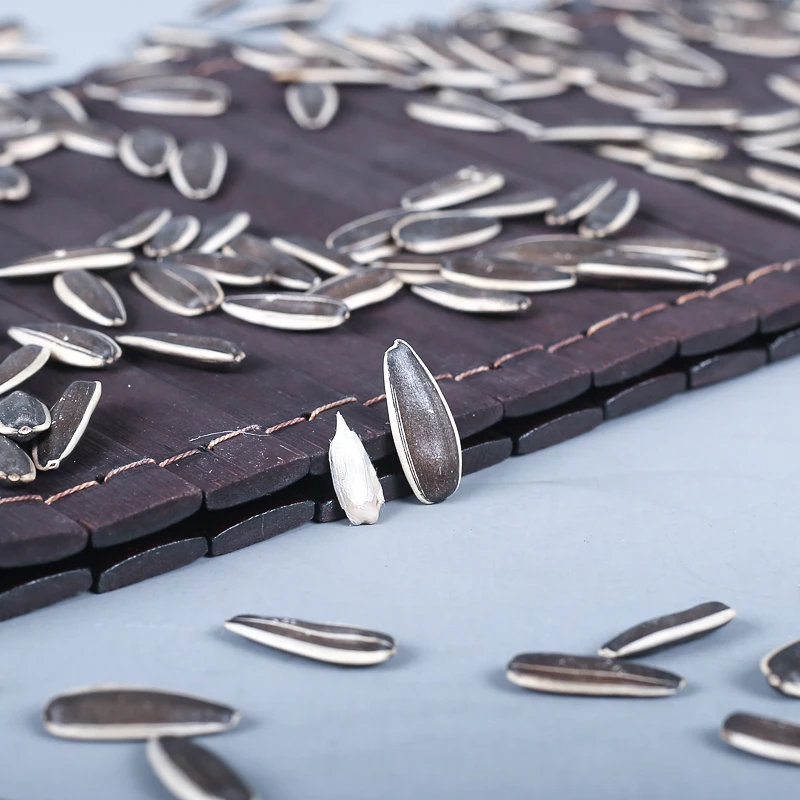
The performance of sunflower seeds in bulk handling and storage is heavily influenced by their physical properties and environmental resistance. Force analysis during seed handling (conveying, elevating, filling) must account for impact forces and abrasive wear. Seed coat abrasion can lead to increased free fatty acid content and reduced oil quality. Environmental resistance is a primary concern. Sunflower seeds are susceptible to moisture absorption, leading to fungal growth and mycotoxin production (aflatoxins, ochratoxins). Storage facilities must maintain controlled temperature (below 25°C) and humidity (below 65%) to inhibit microbial activity. Proper ventilation is crucial to prevent condensation and localized moisture buildup. The structural integrity of storage silos and conveying systems must be engineered to withstand the weight and pressure of large seed volumes. Compliance requirements vary by region but typically include adherence to food safety standards (HACCP, GMP), pesticide residue limits (established by regulatory bodies like the EPA and EFSA), and mycotoxin limits. Furthermore, packaging materials must provide adequate barrier protection against moisture and oxygen to maintain seed quality during transport and storage. Bulk bags (FIBCs) are commonly used, requiring appropriate tensile strength and puncture resistance to prevent spillage and contamination. Engineering considerations also include dust control measures to mitigate explosion hazards during handling.
Technical Specifications
| Parameter | Unit | Typical Range (Oilseed Variety) | Typical Range (Confectionery Variety) |
|---|---|---|---|
| Oil Content (Dry Basis) | % | 42-52 | 38-45 |
| Protein Content (Dry Basis) | % | 18-26 | 20-28 |
| Moisture Content | % | 8-10 | 6-8 |
| Kernel Size (Diameter) | mm | 6-12 | 10-16 |
| Hull Content | % | 5-20 | <5 |
| Free Fatty Acid Content | % (as oleic acid) | <1.0 | <0.5 |
Failure Mode & Maintenance
Sunflower seeds are susceptible to several failure modes during bulk handling and storage. Lipid oxidation is a common issue, leading to rancidity and reduced oil quality. This is accelerated by exposure to oxygen, light, and elevated temperatures. Mycotoxin contamination represents a significant safety hazard, primarily caused by Aspergillus and Fusarium species. This is exacerbated by high moisture content and inadequate storage conditions. Mechanical damage (cracking, splitting) can occur during harvesting, processing, and handling, increasing surface area for oxidation and providing entry points for microbes. Insect infestation can lead to seed loss and contamination. Delamination of the seed coat can occur due to improper drying or handling. Maintenance protocols include regular cleaning and sanitation of processing equipment and storage facilities to prevent mold growth and insect infestation. Implementing a robust temperature and humidity control system is critical for minimizing mycotoxin risk. Regular sampling and testing for oil quality, moisture content, and mycotoxins are essential for quality control. Preventative maintenance on drying equipment (burner maintenance, filter cleaning) ensures efficient operation and minimizes seed damage. Inspecting conveying systems for wear and tear prevents seed damage and contamination. Proper stock rotation (FIFO – First In, First Out) minimizes storage time and reduces the risk of spoilage.
Industry FAQ
Q: What are the primary factors influencing sunflower seed oil quality in bulk storage?
A: The primary factors are temperature, humidity, exposure to oxygen, and light. Maintaining low temperature (below 25°C) and humidity (below 65%) minimizes oxidation and microbial growth. Sealed storage containers and nitrogen purging can reduce oxygen exposure. Protecting seeds from direct sunlight is also crucial.
Q: How is mycotoxin contamination typically monitored and controlled?
A: Mycotoxin contamination is monitored through regular sampling and analysis using methods like ELISA or HPLC. Control measures include proper drying, storage temperature and humidity control, and the use of antifungal treatments (where permitted by regulations). Implementing a robust HACCP plan is essential.
Q: What are the key considerations when selecting bulk packaging materials for sunflower seeds?
A: Packaging materials must provide a barrier against moisture, oxygen, and light. FIBCs (bulk bags) are commonly used, but they should have sufficient tensile strength and puncture resistance. The material should also be food-grade and not impart any undesirable odors or flavors to the seeds.
Q: How does dehulling efficiency impact the final product value?
A: Higher dehulling efficiency results in a lower hull content, increasing the oil content and improving processing efficiency for downstream applications. Reduced hull content typically commands a premium price, particularly for oilseed varieties.
Q: What are the common causes of cracking or splitting in sunflower seeds during processing?
A: Cracking and splitting are often caused by rapid temperature changes during drying, excessive impact forces during handling, or improper moisture content. Optimizing drying parameters and implementing gentle handling procedures can minimize mechanical damage.
Conclusion
Sunflower seed bulk sale factories operate within a complex interplay of agricultural science, engineering principles, and food safety regulations. Maintaining seed quality, minimizing contamination, and optimizing logistical efficiency are critical for success. Understanding the material properties of sunflower seeds, controlling key manufacturing parameters, and implementing robust maintenance protocols are essential for mitigating failure modes and ensuring consistent product quality. The effective management of moisture content, temperature, and oxygen exposure is paramount for preserving oil quality and preventing mycotoxin formation.
Future trends will likely focus on incorporating advanced sensing technologies for real-time monitoring of seed quality, implementing automated sorting systems to remove damaged or contaminated seeds, and developing more sustainable packaging materials. Continued research into improved drying techniques and storage methods will further enhance the efficiency and safety of sunflower seed bulk sale operations. Prioritizing adherence to international standards and investing in employee training are also vital for maintaining a competitive edge in the global market.
