
Introduction
Sunflower seeds ( Helianthus annuus) represent a significant commodity in global agricultural trade, particularly for bulk sale exporters. Positioned as both a food source for direct consumption and a crucial input for oil production, sunflower seeds occupy a key niche within the broader edible seed and oilseed market. This guide provides a detailed technical overview of sunflower seeds intended for export, encompassing their material science, manufacturing processes (specifically, post-harvest handling), performance characteristics relevant to storage and transport, potential failure modes, and relevant industry standards. The increasing demand for plant-based proteins and healthy fats drives a constant need for high-quality sunflower seeds, making stringent quality control and efficient logistics paramount for successful exporters. Key performance indicators revolve around oil content, protein levels, moisture content, and the absence of contaminants. Understanding these factors is critical for mitigating risk and ensuring product integrity throughout the supply chain.
Material Science & Manufacturing
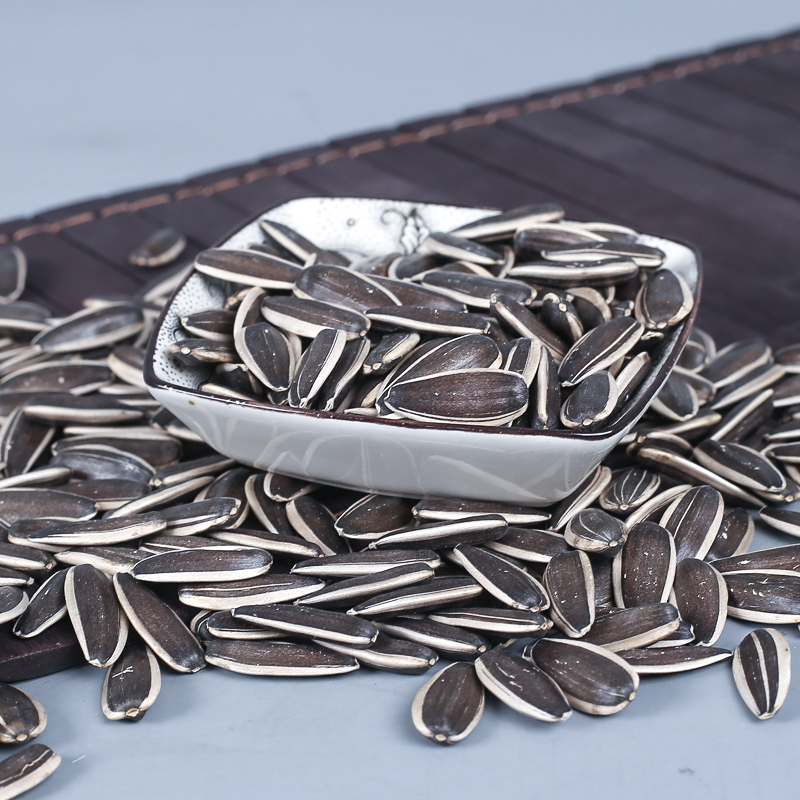
Sunflower seeds are comprised of several distinct layers, each with unique chemical and physical properties. The hull, or pericarp, is primarily cellulose and lignin, providing a protective outer layer. Beneath the hull lies the seed coat, containing phenolic compounds that contribute to antioxidant properties. The kernel, the primary edible portion, is rich in lipids (35-50%), proteins (20-25%), and carbohydrates (15-20%). Lipids are predominantly unsaturated fatty acids – linoleic (omega-6) and oleic (omega-9) – influencing oil quality and stability. Manufacturing, in this context, refers to post-harvest processing. Harvesting typically occurs when seed moisture content reaches 10-15%. This is followed by cleaning (removing debris, chaff, and weed seeds), drying (reducing moisture to 8-9% for safe storage – critical to prevent aflatoxin development), dehulling (optional, depending on market preference), sizing/grading (based on kernel size and weight), and finally, packaging for bulk export. Precise control of drying temperature is essential; exceeding 45°C can denature proteins and reduce oil quality. Optical sorting technologies are increasingly employed to remove discolored or damaged seeds, improving product uniformity and market value. Seed variety (confection vs. oilseed) significantly impacts kernel size, oil content, and hull characteristics.
Performance & Engineering
The performance of sunflower seeds in bulk export scenarios is governed by their physical integrity during handling and transport, and their stability during storage. Force analysis reveals that kernel fracture is a primary concern during handling; impact resistance is directly correlated with hull thickness and kernel moisture content. Environmental resistance focuses on preventing moisture absorption (leading to fungal growth and aflatoxin contamination) and oxidative degradation of lipids. Bulk density (approximately 650-750 kg/m³) influences containerization efficiency. Sack strength and stacking stability are critical engineering considerations for packaged exports. Compliance requirements center around food safety regulations (maximum allowable levels of aflatoxins, pesticides, and heavy metals), phytosanitary certifications (ensuring freedom from pests and diseases), and labeling standards (accurate weight, origin, and nutritional information). Atmospheric control during storage (reducing oxygen levels and maintaining low temperatures) minimizes lipid oxidation and extends shelf life. Transportation humidity must be carefully monitored; exceeding 70% relative humidity significantly increases the risk of mold growth. The moisture sorption isotherm, detailing the relationship between moisture content and water activity, is a crucial tool for predicting storage stability.
Technical Specifications
| Parameter | Unit | Typical Value (Confection Grade) | Typical Value (Oilseed Grade) |
|---|---|---|---|
| Oil Content | % (dry weight basis) | 40-45 | 45-55 |
| Protein Content | % (dry weight basis) | 20-25 | 20-25 |
| Moisture Content (Shipping) | % | 8-9 | 8-9 |
| Kernel Size (Screen Size) | mm | 16-20 | 14-18 |
| Aflatoxin Level (B1, B2, G1, G2) | ppb | <5 | <5 |
| Broken Kernels/Foreign Material | % | <2 | <5 |
Failure Mode & Maintenance
Sunflower seed failure modes during export and storage are multifaceted. Aflatoxin contamination, caused by Aspergillus flavus and Aspergillus parasiticus fungi, is a primary concern, particularly in warm, humid environments. This is exacerbated by kernel damage during harvesting or handling. Lipid oxidation, leading to rancidity and off-flavors, occurs due to exposure to oxygen, light, and elevated temperatures. Physical damage, including kernel cracking and hull breakage, increases susceptibility to moisture absorption and pest infestation. Insect infestation (e.g., storage beetles) can lead to significant product loss and contamination. Maintenance involves proactive measures: strict moisture control during drying and storage, proper ventilation to prevent condensation, regular pest monitoring and control, and minimizing exposure to light and oxygen. Storage facilities should be thoroughly cleaned and sanitized before loading new batches. Temperature mapping of storage facilities is critical to identify and address hot spots conducive to fungal growth. Preventative fungicide applications may be employed, adhering to regulatory limits. Regular quality control testing for aflatoxins and oil quality is essential throughout the supply chain.
Industry FAQ
Q: What is the optimal moisture content for long-term sunflower seed storage, and why is it critical?
A: The optimal moisture content for long-term storage is 8-9%. Below this level, fungal growth and aflatoxin production are significantly inhibited. Above this level, water activity increases dramatically, creating an environment conducive to microbial proliferation and lipid oxidation, leading to spoilage and quality degradation. Maintaining this moisture content requires careful control during the drying process and preventing moisture reabsorption during storage through proper ventilation and packaging.
Q: How does seed variety impact oil quality, and what tests are used to assess it?
A: Seed variety influences the fatty acid profile of the oil. High-oleic sunflower seeds produce oil with a higher proportion of oleic acid, increasing oxidative stability and shelf life. Tests used to assess oil quality include: acid value (measuring free fatty acids indicating hydrolysis), peroxide value (measuring primary oxidation products), iodine value (measuring unsaturation), and gas chromatography (GC) to determine the fatty acid composition.
Q: What are the key differences between confection and oilseed sunflower varieties in terms of export requirements?
A: Confection varieties prioritize kernel size, uniformity, and appearance for direct consumption. They often require stricter grading standards for visual defects and foreign material. Oilseed varieties, intended for oil extraction, prioritize oil yield and fatty acid composition. Maximum permissible levels of hull content may differ. Regulatory requirements concerning pesticide residues might also vary based on intended use (direct consumption vs. industrial processing).
Q: What packaging materials are recommended for bulk sunflower seed export to minimize moisture absorption and oxidation?
A: Multi-layer packaging is recommended. Inner liners typically utilize polyethylene (PE) film for moisture barrier properties. Outer layers may incorporate woven polypropylene (PP) or jute for strength and durability. Vacuum sealing or modified atmosphere packaging (MAP) with nitrogen flushing can further reduce oxygen levels and minimize oxidation. The packaging should be UV-resistant to protect against light-induced degradation.
Q: What are the common phytosanitary regulations for sunflower seed export, and how can exporters ensure compliance?
A: Common phytosanitary regulations focus on preventing the spread of pests and diseases. Exporters must obtain a phytosanitary certificate from their national plant protection organization, confirming that the seeds are free from regulated pests. Compliance involves implementing robust pest control measures throughout the production and handling process, including field inspections, seed treatment (where permitted), and proper storage practices. Destination country requirements should be verified before export.
Conclusion
Sunflower seed export demands a comprehensive understanding of both agricultural science and logistical engineering. Maintaining optimal moisture content, mitigating aflatoxin risk, and preserving oil quality are paramount concerns. Successful exporters prioritize stringent quality control measures throughout the entire supply chain, from harvesting and drying to packaging and storage. Adherence to international standards and phytosanitary regulations is non-negotiable, ensuring product safety and market access.
Looking forward, advancements in seed breeding (developing aflatoxin-resistant varieties) and post-harvest technologies (improved drying and storage systems) will play a crucial role in enhancing the competitiveness of sunflower seed exporters. The increasing demand for sustainable agricultural practices will also necessitate the adoption of environmentally friendly pest control methods and packaging materials. Ultimately, a commitment to quality, safety, and sustainability will be the key determinants of success in this dynamic global market.
