Introduction
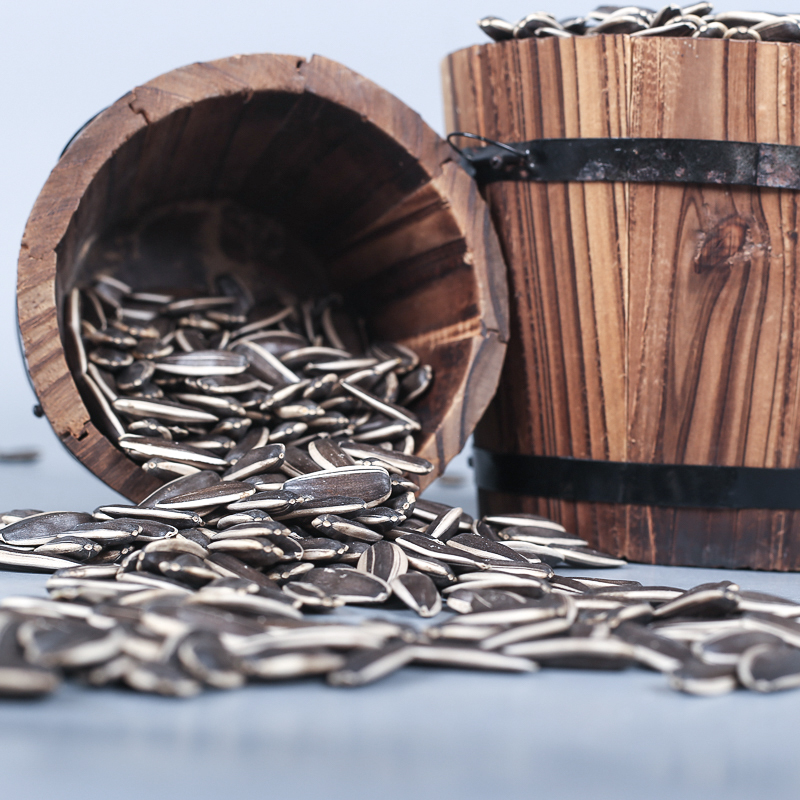
Sunflower seeds ( Helianthus annuus ) in bulk sale represent a significant commodity within the global agricultural market. Their position in the supply chain extends from primary agricultural production to processing, oil extraction, confectionary applications, and animal feed. This technical guide will provide an in-depth examination of sunflower seed quality attributes pertinent to bulk export, encompassing material science, manufacturing considerations during harvesting and processing, performance characteristics, and potential failure modes relevant to storage and transport. The core performance metrics relate to oil content, protein content, moisture level, hulling percentage, and the presence of foreign matter, all critical determinants of value and usability for downstream industries. A primary pain point for international buyers is consistent quality assurance across large-volume shipments, encompassing adherence to phytosanitary regulations, mycotoxin limits, and standardized grading systems.
Material Science & Manufacturing
Sunflower seeds are fundamentally comprised of three key components: the kernel (cotyledon), the hull (pericarp), and the embryo. The kernel is rich in lipids – primarily linoleic acid (C18:2), oleic acid (C18:1), and palmitic acid (C16:0) – contributing to the oil content which ranges from 40-60% depending on the cultivar. Protein content typically falls between 18-25%, composed of globulins, albumins, and prolamins. The hull, a fibrous outer layer, provides physical protection and comprises approximately 20-30% of the seed's weight. Manufacturing begins with agricultural cultivation, followed by harvesting, cleaning, drying, dehulling (optional, dependent on end use – confectionery vs. oil production), sorting, and grading. Key parameter control during drying is critical; moisture content must be reduced to 8-10% to inhibit mold growth and enzymatic activity. Drying temperature significantly impacts oil quality; excessive heat can cause lipid oxidation and reduce oil stability. Dehulling, if performed, utilizes mechanical friction. Hull damage during dehulling impacts seed appearance and increases susceptibility to oxidation. The cultivar chosen directly impacts the hull’s adhesion strength and therefore influences the efficacy of the dehulling process. Contamination from field debris (stones, stems, leaves) and other seeds is a constant challenge, necessitating efficient cleaning and sorting processes employing screens, air separators, and optical sorters.
Performance & Engineering
The structural integrity of the seed, though seemingly simple, is crucial for maintaining quality throughout the supply chain. Force analysis during handling (loading, unloading, transport) reveals that the kernel is susceptible to cracking under point loads, leading to increased breakage and the release of oil. This cracking propensity is influenced by hull strength, kernel moisture content, and temperature. Environmental resistance is primarily dictated by moisture and temperature. High humidity accelerates microbial growth, leading to mycotoxin production (aflatoxins, ochratoxins), a critical food safety concern. Temperature fluctuations can cause condensation within bulk storage containers, exacerbating this problem. Compliance requirements are extensive, including phytosanitary certificates demonstrating freedom from pests and diseases, and adherence to maximum residue levels (MRLs) for pesticides and herbicides. Functional implementation requires careful consideration of packaging to protect against moisture ingress and physical damage. Bulk packaging (e.g., Flexi-bags in containers) must be constructed from materials with low moisture vapor transmission rates (MVTR) and sufficient tensile strength to withstand the weight and handling stresses. Effective ventilation within the packaging is crucial to prevent localized heating and condensation.
Technical Specifications
| Parameter | Unit | Specification (Oilseed Grade) | Specification (Confectionery Grade) |
|---|---|---|---|
| Oil Content (Dry Basis) | % | ≥ 40 | ≥ 50 |
| Moisture Content | % | ≤ 10 | ≤ 8 |
| Foreign Matter | % | ≤ 2 | ≤ 1 |
| Broken Kernels | % | ≤ 5 | ≤ 2 |
| Hull Content (Dehulled) | % | ≤ 2 | ≤ 0.5 |
| Aflatoxin B1 | ppb | ≤ 20 | ≤ 5 |
Failure Mode & Maintenance
Sunflower seeds are susceptible to several failure modes during storage and transport. Lipid oxidation, triggered by oxygen, heat, and light, leads to rancidity and a decline in oil quality. This is manifested by an increase in peroxide value and the development of off-flavors. Moisture absorption promotes fungal growth and mycotoxin production, rendering the seeds unusable for human consumption. Physical damage (cracking, breakage) increases susceptibility to oxidation and insect infestation. Insect infestation, particularly by storage beetles, can cause significant losses and contamination. Maintenance strategies center around proper storage conditions: cool (≤15°C), dry (≤8% moisture content), and dark. Regular monitoring of temperature and humidity within storage facilities is essential. Insect control measures, including aeration, fumigation (where permissible and compliant with regulations), and the use of insect traps, are crucial. Preventative maintenance on drying and dehulling equipment minimizes seed damage. Regular cleaning of storage facilities prevents the build-up of dust and debris, reducing the risk of mold growth and insect harborage.
Industry FAQ
Q: What is the acceptable level of erucic acid in sunflower seeds destined for the European market?
A: The European Union regulations specify a maximum erucic acid content of 2% for sunflower seeds and sunflower oil. Exceeding this limit renders the product non-compliant and subject to rejection.
Q: How is the moisture content of bulk sunflower seeds accurately measured for export certification?
A: The standard method for determining moisture content is the oven drying method, typically employing a forced-air oven at 130°C for a specified duration (e.g., 1 hour). Accredited laboratories must perform this analysis, and results must be documented on a Certificate of Analysis.
Q: What are the key phytosanitary concerns for sunflower seed exports to Australia?
A: Australia has stringent biosecurity regulations. Key concerns include Orobanche cumingii (Cuming's broomrape), a parasitic weed, and various seed-borne fungi and bacteria. A phytosanitary certificate issued by the exporting country's national plant protection organization is mandatory.
Q: What packaging options are most suitable for maintaining the quality of sunflower seeds during long-distance sea freight?
A: Flexi-bags within 20ft or 40ft shipping containers are commonly used. The bags must be constructed from polyethylene (PE) with low MVTR and high tensile strength. Palletization within the container and the use of desiccant pouches are recommended to minimize moisture ingress.
Q: How do I ensure compliance with aflatoxin limits specified by importing countries?
A: Regular testing for aflatoxins (B1, B2, G1, G2) using ELISA or HPLC methods is essential. Samples should be representative of the entire bulk shipment. Adopting good agricultural practices (GAPs) and proper post-harvest handling procedures minimizes the risk of aflatoxin contamination.
Conclusion
Sunflower seeds in bulk sale represent a technically complex commodity requiring stringent quality control throughout the entire supply chain. Maintaining optimal moisture content, protecting against lipid oxidation, and mitigating the risk of mycotoxin contamination are paramount. Adherence to international standards and regulations is non-negotiable for successful export operations. Understanding the material science of the seed, controlling manufacturing parameters during harvesting and processing, and implementing effective storage and transport strategies are critical to preserving product integrity and maximizing economic value.
The future of sunflower seed export hinges on the adoption of advanced technologies for quality assessment, such as near-infrared (NIR) spectroscopy for rapid determination of oil content and moisture levels, and the implementation of blockchain technology for enhanced traceability and supply chain transparency. Continuous improvement in post-harvest handling practices and the development of cultivars with improved storage stability will further enhance the competitiveness of sunflower seed exports in the global market.
