
Introduction
Sunflower seeds ( Helianthus annuus ) represent a significant commodity in the global agricultural market, particularly for bulk suppliers catering to food processing, confectionery, and animal feed industries. Their technical position within the supply chain extends from agricultural production and post-harvest processing to industrial-scale handling, cleaning, dehulling, and grading. Core performance characteristics critical to bulk buyers include oil content, kernel size uniformity, moisture content, germination rate (for seed destined for further planting), and levels of contaminants. These parameters directly influence downstream processing efficiency and final product quality. The increasing demand for healthy snack foods and plant-based protein sources drives continued growth in the sunflower seed market, necessitating rigorous quality control and consistent supply chains. Bulk suppliers must address concerns related to aflatoxin contamination, pesticide residues, and seed viability to meet increasingly stringent international regulations and customer expectations. This guide provides a detailed technical overview for procurement managers and engineers evaluating sunflower seed sourcing options.
Material Science & Manufacturing
Sunflower seed composition is fundamentally determined by genetics and environmental factors. The kernel, constituting approximately 40-50% of the seed weight, comprises primarily lipids (35-55% oil content, largely linoleic acid), proteins (18-25%), carbohydrates (15-20%), and fiber. The hull, or pericarp, is composed of cellulose, hemicellulose, and lignin, providing physical protection. Raw material variation exists based on seed variety (oilseed vs. confectionery), growing region, and climate. Manufacturing processes begin with harvesting, typically employing combine harvesters, followed by drying to reduce moisture content to a target of 8-10% to inhibit mold growth and maintain seed quality. Dehulling is a crucial step, employing mechanical methods (impact, friction, or aspiration) to separate the kernel from the hull. Kernel size is often standardized through screening. Cleaning processes remove foreign material (stalks, leaves, stones) via air separation, magnetic separation, and optical sorting. Grading assesses kernel size, density, and color. Critical process parameters include drying temperature (to prevent protein denaturation and oil oxidation), dehulling pressure (to minimize kernel damage), and cleaning efficiency (to meet specified purity levels). Chemical compatibility considerations include the avoidance of reactive materials during storage and transport, preventing oxidation or contamination of the oil content.
Performance & Engineering
The performance of sunflower seeds in industrial applications hinges on several engineering considerations. Force analysis is critical during handling and processing – seed strength influences breakage rates during dehulling and grading. Impact resistance is important for pneumatic conveying systems. Environmental resistance, specifically moisture absorption, dictates storage requirements. High humidity promotes mold growth and aflatoxin production. Thermal stability is relevant during roasting or oil extraction processes, where excessive temperatures can degrade oil quality. Compliance requirements include adherence to food safety regulations (FDA, EFSA) regarding permissible levels of contaminants (heavy metals, pesticides, mycotoxins) and labeling requirements. Functional implementation often involves integration into automated processing lines, necessitating consistent seed size and shape for efficient flow and handling. Kernel density impacts separation efficiency in density-based grading systems. Packaging materials must provide a barrier against moisture and oxygen to preserve seed viability and prevent rancidity. Storage facility design must control temperature and humidity to maintain seed quality over extended periods.
Technical Specifications
| Parameter | Oil Content (%) | Moisture Content (%) | Kernel Size (mm) | Aflatoxin Level (ppb) | Foreign Matter (%) |
|---|---|---|---|---|---|
| Oilseed Variety (High Oleic) | 48-55 | < 8.0 | 10-12 | < 5 | < 1.0 |
| Confectionery Variety | 40-45 | < 7.0 | 12-16 | < 2 | < 0.5 |
| Linoleic Variety | 45-50 | < 9.0 | 9-11 | < 5 | < 1.5 |
| Organic Certified | 42-48 | < 8.5 | 10-14 | < 4 | < 0.75 |
| Black Oil Sunflower Seeds | 40-45 | < 9.0 | 8-10 | < 6 | < 2.0 |
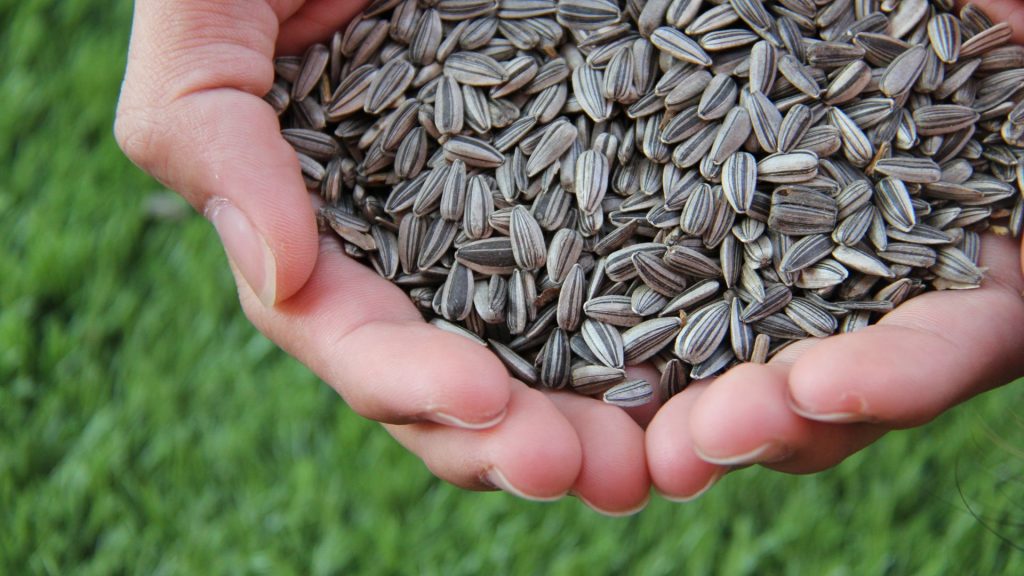
| Striped Sunflower Seeds | 38-42 | < 7.5 | 11-13 | < 3 | < 0.6 |
Failure Mode & Maintenance
Sunflower seed failure modes during storage and processing are diverse. Lipid oxidation, leading to rancidity, is a common issue exacerbated by exposure to oxygen, light, and elevated temperatures. Aflatoxin contamination, caused by Aspergillus molds, is a significant food safety concern, particularly in warm, humid environments. Mechanical damage during dehulling and grading can result in kernel breakage, reducing product quality and increasing dust formation. Insect infestation can lead to seed loss and contamination. Moisture absorption promotes mold growth and reduces seed viability. Maintenance strategies involve implementing strict temperature and humidity control in storage facilities, utilizing appropriate packaging materials (moisture barrier films, nitrogen flushing), implementing regular pest control programs, and employing gentle handling techniques during processing. Regular aflatoxin testing is crucial. Seed should be stored in well-ventilated areas, away from direct sunlight. Dehulling equipment requires routine cleaning and adjustment to minimize kernel damage. Regular inspection of processing lines for damaged equipment or potential contamination sources is essential.
Industry FAQ
Q: What are the key differences between oilseed and confectionery sunflower seed varieties from a bulk procurement perspective?
A: Oilseed varieties prioritize high oil yield and generally have smaller kernel sizes and higher oil content. They are typically less expensive. Confectionery varieties are bred for larger kernel size, a lighter hull, and a milder flavor, commanding a higher price. Procurement decisions depend on the end application – oil extraction favors oilseed varieties, while snack food production requires confectionery types.
Q: What is the acceptable level of aflatoxin in sunflower seeds for export to the European Union?
A: The European Union establishes a maximum level of 2 ppb (parts per billion) for total aflatoxins in sunflower seeds, as regulated by Commission Regulation (EC) No 1881/2006. Suppliers must provide certificates of analysis demonstrating compliance with this standard.
Q: How does moisture content impact the long-term storage stability of sunflower seeds?
A: Moisture content is a critical factor. Above 10%, the risk of mold growth and aflatoxin contamination increases significantly. Below 8% generally ensures stable storage for extended periods, provided temperature and humidity are controlled. Excessive moisture also promotes lipid oxidation, leading to rancidity.
Q: What cleaning and sorting technologies are employed to remove foreign materials from bulk sunflower seed shipments?
A: Common technologies include air separation (to remove lighter materials like chaff), magnetic separation (to remove metallic contaminants), gravity separation (to separate based on density), optical sorting (using cameras to identify and remove discolored or damaged seeds), and color sorting. The combination of these technologies ensures high purity.
Q: What documentation is typically required from a bulk sunflower seed supplier to ensure traceability and quality control?
A: Typical documentation includes a Certificate of Analysis (COA) detailing key parameters like oil content, moisture content, and aflatoxin levels; a Phytosanitary Certificate confirming compliance with plant health regulations; a Quality Control report outlining processing procedures and inspection results; and traceability records linking the seeds back to the origin farm and processing facility.
Conclusion
Sunflower seeds, as a bulk commodity, require meticulous attention to detail throughout the supply chain. From the inherent material science governing seed composition to the engineering principles applied in processing and storage, maintaining quality and safety is paramount. The technical specifications outlined herein serve as critical benchmarks for procurement decisions, ensuring consistent product performance and compliance with stringent regulatory standards. Understanding potential failure modes and implementing proactive maintenance strategies are essential for minimizing losses and maximizing value.
Looking ahead, advancements in seed breeding, processing technologies, and storage solutions will continue to drive improvements in sunflower seed quality and efficiency. The increasing demand for sustainable agricultural practices will necessitate a greater emphasis on traceability, responsible sourcing, and reduced environmental impact. Bulk suppliers who prioritize these factors will be best positioned to meet the evolving needs of the global market and establish long-term partnerships with discerning buyers.
