Introduction
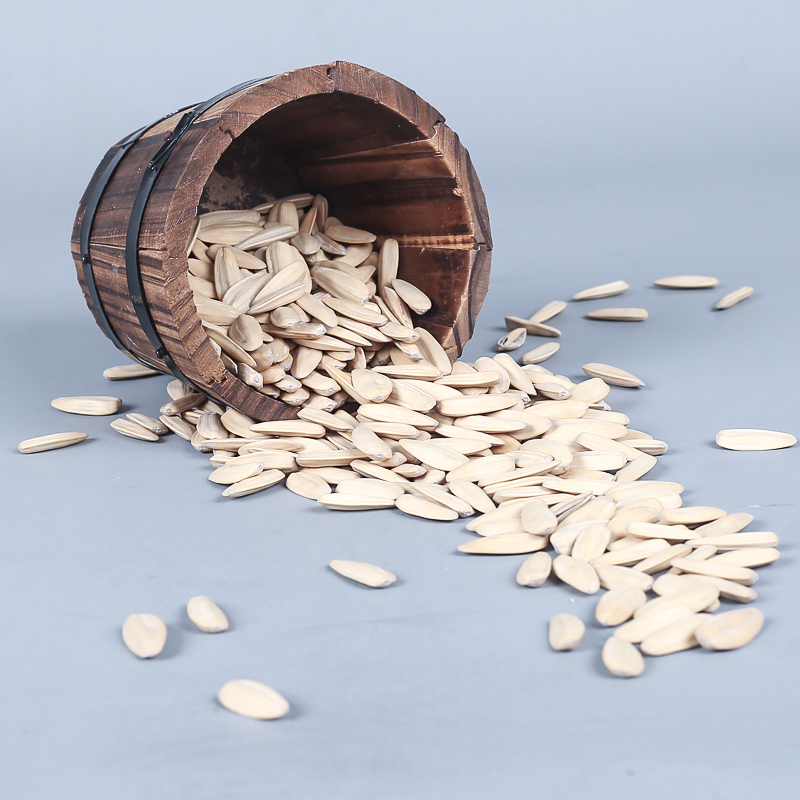
Sunflower seeds for sale in bulk represent a significant commodity within the agricultural and food processing industries. Positioned as a vital component in human nutrition, animal feed, and oil extraction, these seeds occupy a crucial node in the global supply chain. Their economic importance stems from the widespread cultivation of Helianthus annuus, the common sunflower, and the diverse applications of its kernel and oil. This technical guide will delve into the material science, manufacturing considerations, performance characteristics, potential failure modes, and relevant industry standards governing bulk sunflower seed production and trade. Core performance aspects include oil content, protein levels, kernel size, and the presence of hull, all impacting downstream processing efficiency and product quality. A key industry pain point is maintaining consistent quality across large volume shipments, minimizing foreign material, and ensuring compliance with stringent food safety regulations.
Material Science & Manufacturing
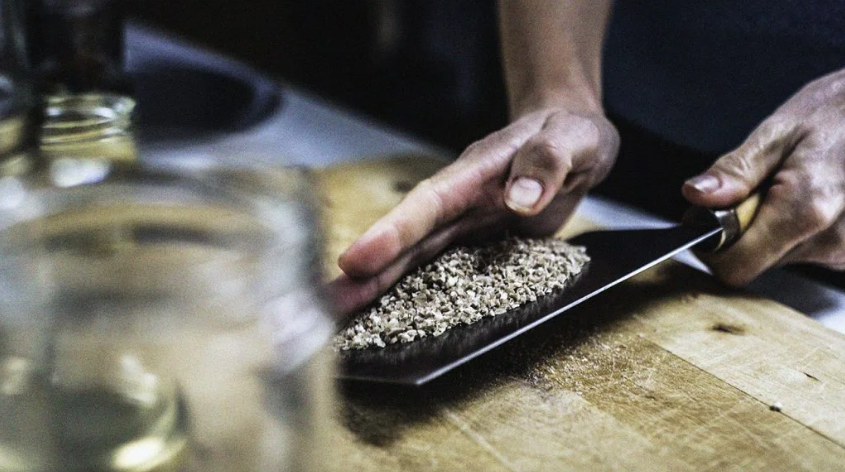
Sunflower seeds are comprised of several key components, influencing their physical and chemical properties. The kernel, constituting roughly 40-50% of the seed’s weight, is rich in lipids (35-55% oil content, primarily linoleic acid), proteins (18-25%), carbohydrates, and fiber. The hull (or husk), making up the remaining weight, consists of cellulose, hemicellulose, and lignin, providing structural integrity. Seed color varies based on cultivar, ranging from black to gray to striped. Raw material selection focuses on maximizing kernel-to-hull ratio. Manufacturing begins with cultivation practices significantly influencing seed quality – soil composition, irrigation, and pest control all play a role. Harvesting is critical; optimal moisture content (8-12%) is essential for minimizing damage and preventing mold growth. Post-harvest processing includes cleaning (removal of stalks, leaves, and foreign matter), drying to reduce moisture content to around 6-7% for storage stability, dehulling (optional, depending on end-use), and grading based on size and quality. Dehulling is achieved mechanically through abrasive or impact methods; parameter control (rotor speed, gap setting) is paramount to minimize kernel breakage. Seed coating with polymers, though less common for bulk sales, can improve flowability and protect against insect infestation. Chemical compatibility during processing is vital; avoidance of reactive materials preventing lipid oxidation is key.
Performance & Engineering
The performance of bulk sunflower seeds is intrinsically linked to their structural integrity and compositional characteristics. Force analysis during handling, transportation, and processing (e.g., cracking, oil extraction) is critical. Seed strength, assessed via compression and impact testing, determines resistance to damage. Environmental resistance, particularly moisture uptake and temperature fluctuations, influences storage stability and germination rates (if intended for replanting). Humidity control is vital; excessive moisture promotes fungal growth and aflatoxin contamination. Compliance requirements are stringent, dictated by food safety regulations like those set forth by the FDA and EU. Functional implementation varies based on end-use. For direct human consumption, minimizing hull content and maximizing kernel size are desirable. For oil extraction, high oil content and efficient extractability are prioritized. For animal feed, protein content and digestibility are key considerations. Bulk density, an engineering parameter affecting storage and transportation costs, is influenced by seed size, shape, and hull percentage. The seeds must withstand the rigors of bulk handling, including pneumatic conveying and auger systems, without significant breakage or dust generation. Furthermore, packaging materials must provide adequate barrier protection against moisture, oxygen, and light to preserve seed quality during extended storage.
Technical Specifications
| Parameter | Unit | Typical Range | Test Method |
|---|---|---|---|
| Oil Content (Dry Basis) | % | 42-58 | NMR (Nuclear Magnetic Resonance) |
| Protein Content (Dry Basis) | % | 15-28 | Kjeldahl Method |
| Kernel Moisture Content | % | 6-8 | Oven Drying Method (ASTM D4887) |
| Hull Content | % | 0-40 (depending on variety & processing) | Visual Inspection/Mechanical Separation |
| Kernel Size (1000-Kernel Weight) | g | 50-80 | Weight Measurement (ISO 1881) |
| Free Fatty Acid (FFA) | % | <0.5 | Titration (AOCS Cd 3-25) |
Failure Mode & Maintenance
Sunflower seeds are susceptible to several failure modes during storage and handling. Fatigue cracking of the kernel can occur due to repeated mechanical stress, particularly during processing. Delamination, the separation of the kernel from the hull, can reduce processing efficiency and quality. Degradation of lipids through oxidation, catalyzed by heat, light, and enzymes, leads to rancidity and reduced oil quality. Aflatoxin contamination, caused by Aspergillus flavus fungus, is a major food safety concern, especially in warm and humid climates. Insect infestation, particularly by storage pests, results in seed damage and loss of nutritional value. Maintenance strategies center on proper storage conditions: maintaining low temperature (below 15°C) and humidity (below 65%), ensuring adequate ventilation, and implementing pest control measures. Regular inspection for signs of mold, insect activity, and seed damage is crucial. Preventative treatments, such as seed coating with antifungal agents, can minimize fungal growth. Appropriate cleaning and drying procedures during processing are essential for preventing degradation. For bulk storage, monitoring seed temperature and moisture content allows for early detection of potential problems and timely corrective action. Implementing a robust traceability system allows for efficient recall in the event of contamination.
Industry FAQ
Q: What is the acceptable level of foreign material in a bulk sunflower seed shipment?
A: The acceptable level of foreign material varies depending on the contract specifications and end-use application. However, generally, a maximum of 1-2% foreign material (including stalks, leaves, stones, and other seeds) is considered acceptable for human consumption. For animal feed, a slightly higher tolerance may be permitted, but this should be clearly defined in the purchase agreement.
Q: How is aflatoxin contamination monitored and controlled in bulk sunflower seeds?
A: Aflatoxin levels are monitored through regular testing using ELISA or HPLC methods. Maximum permissible levels are set by regulatory bodies (e.g., FDA, EU). Control measures include proper drying of seeds immediately after harvest, avoiding damage during handling, implementing effective pest control, and utilizing storage facilities that minimize humidity and temperature fluctuations. Seed treatment with antifungal agents can also be employed.
Q: What is the impact of hull content on the oil extraction efficiency?
A: Higher hull content reduces oil extraction efficiency. The hull is largely composed of cellulose, which does not yield oil. Excessive hull content requires more energy and processing time to achieve the desired oil yield. Therefore, dehulling is often performed prior to oil extraction, although some processes can accommodate a certain percentage of hull.
Q: What are the key considerations for long-term storage of bulk sunflower seeds?
A: Key considerations include maintaining low temperature (below 15°C) and humidity (below 65%), ensuring adequate ventilation to prevent moisture buildup, protecting seeds from direct sunlight, and implementing a robust pest control program. Regular monitoring of temperature and moisture content is essential. Storage facilities should be clean, dry, and well-sealed.
Q: How does seed variety impact oil quality and composition?
A: Seed variety significantly impacts oil quality and composition. High oleic sunflower varieties, for example, contain a higher percentage of oleic acid, resulting in a more stable oil with a longer shelf life. Linoleic sunflower varieties are more common, but are prone to oxidation. The fatty acid profile influences the oil’s nutritional value and suitability for various applications.
Conclusion
Bulk sunflower seeds represent a complex agricultural commodity requiring meticulous attention to detail throughout the entire production and supply chain. Maintaining consistent quality, minimizing contamination risks, and ensuring compliance with stringent regulatory standards are paramount. Understanding the interplay between material science, manufacturing processes, and performance characteristics is essential for optimizing seed quality and maximizing economic value.
Future advancements in sunflower seed technology will likely focus on developing cultivars with enhanced oil content, improved resistance to pests and diseases, and optimized storage properties. The implementation of advanced monitoring and control systems throughout the supply chain, coupled with the adoption of sustainable agricultural practices, will further enhance the quality and reliability of bulk sunflower seed production, ensuring its continued importance in global food security and industrial applications.
