Introduction
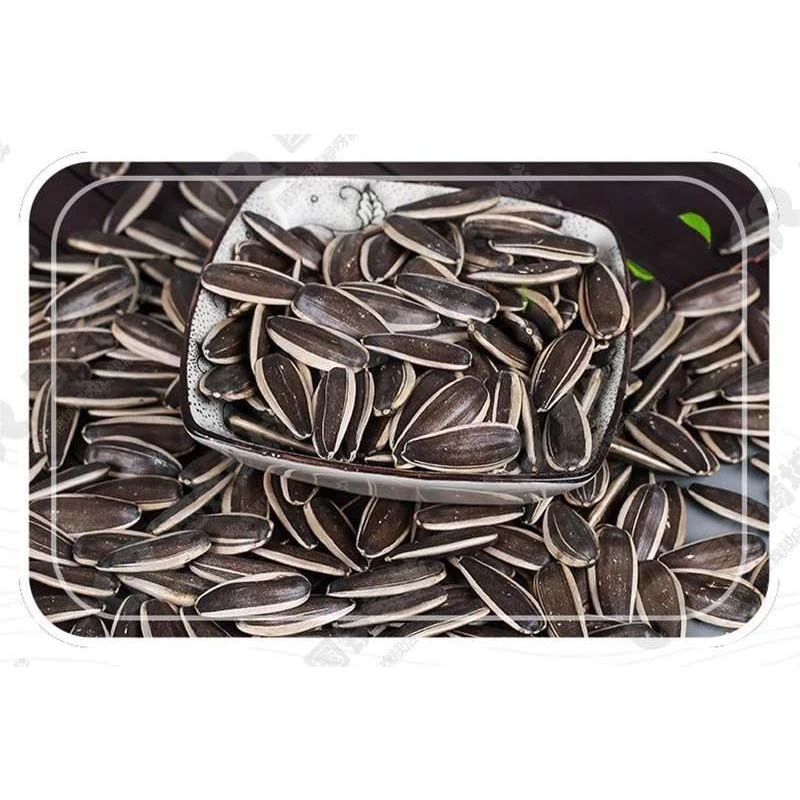
Sunflower seeds ( Helianthus annuus) represent a globally significant oilseed crop and a valuable source of protein, fiber, and essential nutrients. For bulk manufacturers supplying the food processing, snack food, and animal feed industries, consistent quality, purity, and adherence to stringent food safety regulations are paramount. This technical guide provides an in-depth analysis of sunflower seeds, from their botanical origins and material properties to manufacturing processes, performance characteristics, potential failure modes, and relevant industry standards. The market for sunflower seeds is driven by increasing demand for healthy snacks, plant-based protein sources, and sustainable agricultural practices. A key pain point for bulk purchasers lies in mitigating variations in oil content, seed size, and potential contamination, requiring robust quality control procedures throughout the supply chain. This guide aims to equip procurement managers, quality control engineers, and production supervisors with the technical knowledge necessary to evaluate suppliers and ensure optimal performance of sunflower seed ingredients.
Material Science & Manufacturing
Sunflower seeds are composed primarily of three components: the kernel (approximately 50-65% by weight), the hull (20-30%), and the oil content within the kernel (35-55%). The kernel is rich in linoleic acid, an omega-6 fatty acid, and contains significant levels of protein, vitamin E, and minerals. The hull, consisting largely of cellulose and lignin, provides structural protection. Variations in cultivar and growing conditions significantly affect these proportions. Manufacturing begins with harvesting, typically mechanically, followed by drying to reduce moisture content to approximately 9-12% to prevent mold growth and maintain seed viability. This drying process, often utilizing forced air systems, requires careful temperature control (typically below 60°C) to avoid denaturation of proteins and oxidation of lipids. Dehulling is then performed, either mechanically using abrasive methods or through chemical treatment. Mechanical dehulling can result in kernel damage, leading to increased free fatty acid content and reduced shelf life. Subsequent sizing and sorting are crucial for consistent processing; optical sorting technology is frequently employed to remove discolored, damaged, or foreign material. Chemical compatibility is a critical consideration; seeds are often stored in polypropylene or polyethylene-lined silos to prevent oxidation and maintain product integrity. Parameter control during drying and dehulling – moisture content, temperature, abrasive force – directly impacts the final product quality and yield.
Performance & Engineering
The performance of sunflower seeds in subsequent processing applications – roasting, extrusion, oil extraction – is directly related to their physical and chemical properties. Kernel hardness, measured using durometers, dictates the energy required for dehulling and milling. Oil content, determined by Soxhlet extraction, impacts the yield of oil extraction processes and the nutritional profile of the final product. The oil’s fatty acid profile (linoleic, oleic, palmitic) influences its oxidative stability and suitability for specific applications. Force analysis during dehulling reveals stress concentrations in the hull structure, informing optimization of mechanical dehulling parameters. Environmental resistance, specifically moisture absorption and subsequent mycotoxin development, is a major concern. Proper storage conditions – low temperature, low humidity, and adequate ventilation – are crucial. Compliance requirements include adherence to food safety regulations such as HACCP, and potentially organic certification standards (USDA Organic, EU Organic). Functional implementation, for example, in snack food formulations, demands consistent seed size and shape for uniform coating and baking. Seed size variability affects the uniformity of roasted products and the texture of extruded snacks.
Technical Specifications
| Parameter | Unit | Typical Range | Testing Method |
|---|---|---|---|
| Oil Content (Dry Basis) | % | 40-55 | Soxhlet Extraction (AOCS Official Method) |
| Moisture Content | % | 8-12 | Oven Drying (AACC Method 915.05) |
| Kernel Hardness | N | 50-150 | Durometer Measurement (ASTM D2240) |
| Hull Content | % | 5-20 | Visual Sorting & Weight Analysis |
| Free Fatty Acid (FFA) | % (as oleic acid) | <0.5 | Titration (AOCS Official Method) |
| Peroxide Value (PV) | meq O2/kg | <5 | Titration (AOCS Official Method) |
Failure Mode & Maintenance
Sunflower seeds are susceptible to several failure modes. Lipid oxidation, resulting in rancidity and off-flavors, is a primary concern, accelerated by exposure to oxygen, light, and elevated temperatures. This manifests as an increase in peroxide value and FFA. Mechanical damage during harvesting or processing can lead to kernel breakage and increased susceptibility to mold growth. Mycotoxin contamination, particularly aflatoxins, is a significant food safety hazard, requiring rigorous monitoring and control measures. Delamination of the kernel from the hull can occur during dehulling, reducing processing efficiency. Fatigue cracking in the hull can result from repeated impact forces during handling and transportation. Maintenance strategies include implementing proper storage protocols (temperature and humidity control), utilizing antioxidant additives, employing gentle handling techniques, and performing regular quality control testing for mycotoxins and oxidation products. Preventative maintenance of dehulling equipment, including regular inspection and replacement of abrasive surfaces, minimizes kernel damage. Implementing a robust traceability system enables rapid identification and isolation of contaminated batches.
Industry FAQ
Q: What is the acceptable level of aflatoxin contamination in bulk sunflower seeds destined for human consumption?
A: Regulatory limits for aflatoxins vary by country. In the United States, the FDA limit is 20 parts per billion (ppb). The European Union has a limit of 2 ppb for total aflatoxins. Manufacturers must provide Certificates of Analysis (COA) verifying compliance with these regulations, and regular testing throughout the supply chain is essential. Exceeding these limits renders the batch unsuitable for human consumption and may result in product recalls.
Q: How does the cultivar of sunflower seed impact oil content and fatty acid profile?
A: Sunflower seed cultivars are broadly categorized as high-oleic, mid-oleic, and linoleic. High-oleic varieties contain >70% oleic acid, providing enhanced oxidative stability. Mid-oleic varieties typically contain 40-60% oleic acid. Linoleic varieties contain predominantly linoleic acid (>60%). The choice of cultivar depends on the intended application; high-oleic seeds are preferred for frying and extended shelf life, while linoleic seeds are suitable for applications where a specific fatty acid profile is desired.
Q: What methods are used to determine the purity of sunflower seeds and detect foreign material?
A: Visual inspection is the first step, followed by screening and aspiration to remove large debris. Optical sorting technology utilizes cameras and algorithms to identify and remove discolored, damaged, or foreign material based on color, size, and shape. Laboratory analysis, including microscopic examination, can identify the presence of weed seeds, insect fragments, or other contaminants.
Q: What is the recommended storage temperature and humidity for maintaining the quality of bulk sunflower seeds?
A: The recommended storage temperature is below 20°C (68°F), and the relative humidity should be maintained below 65%. These conditions minimize lipid oxidation and prevent mold growth. Proper ventilation is also crucial to prevent condensation and maintain uniform temperature throughout the storage facility.
Q: How does the dehulling process affect the shelf life of sunflower seeds?
A: Improper dehulling can damage the kernel, increasing its surface area and susceptibility to oxidation. The presence of hull fragments can also accelerate rancidity. Gentle dehulling techniques and efficient removal of hull fragments are crucial for maximizing shelf life. Vacuum packaging or modified atmosphere packaging (MAP) can further extend shelf life by reducing oxygen exposure.
Conclusion
Sunflower seeds, as a significant industrial ingredient, demand a comprehensive understanding of their material science, manufacturing processes, and potential degradation pathways. Maintaining consistent quality hinges on precise control of parameters throughout the entire supply chain, from harvesting and drying to dehulling and storage. Bulk purchasers must prioritize suppliers who demonstrate robust quality control systems, adherence to food safety regulations, and the ability to provide detailed Certificates of Analysis.
Looking forward, advancements in optical sorting technology and the development of cultivars with improved oxidative stability will continue to enhance the quality and extend the shelf life of sunflower seeds. Sustainable agricultural practices and traceability systems will become increasingly important as consumers demand greater transparency and environmental responsibility. A thorough understanding of these technical considerations is crucial for maximizing the value and minimizing the risks associated with bulk sunflower seed procurement.
