Introduction
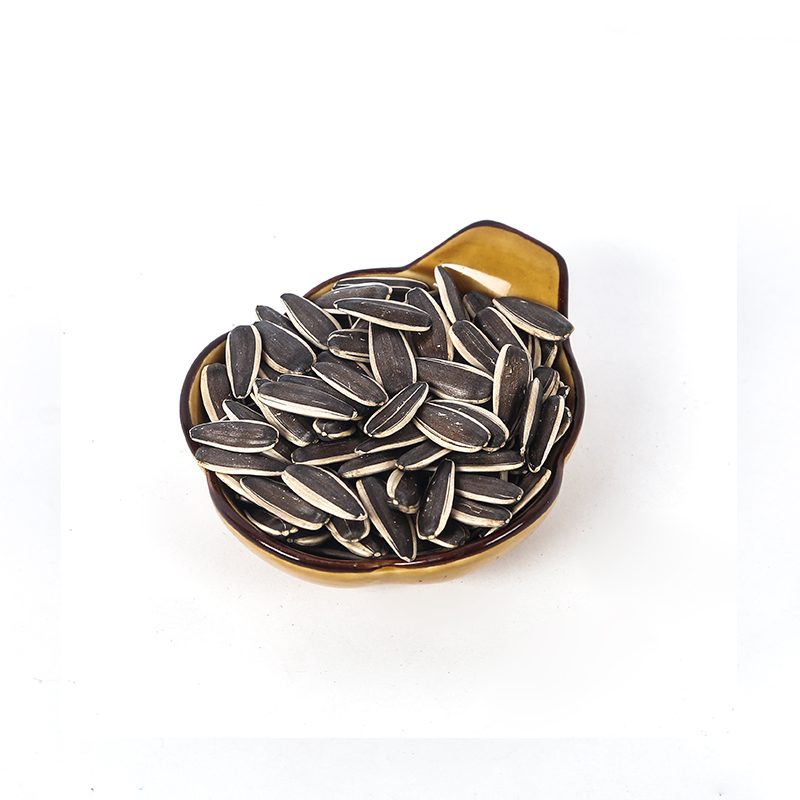
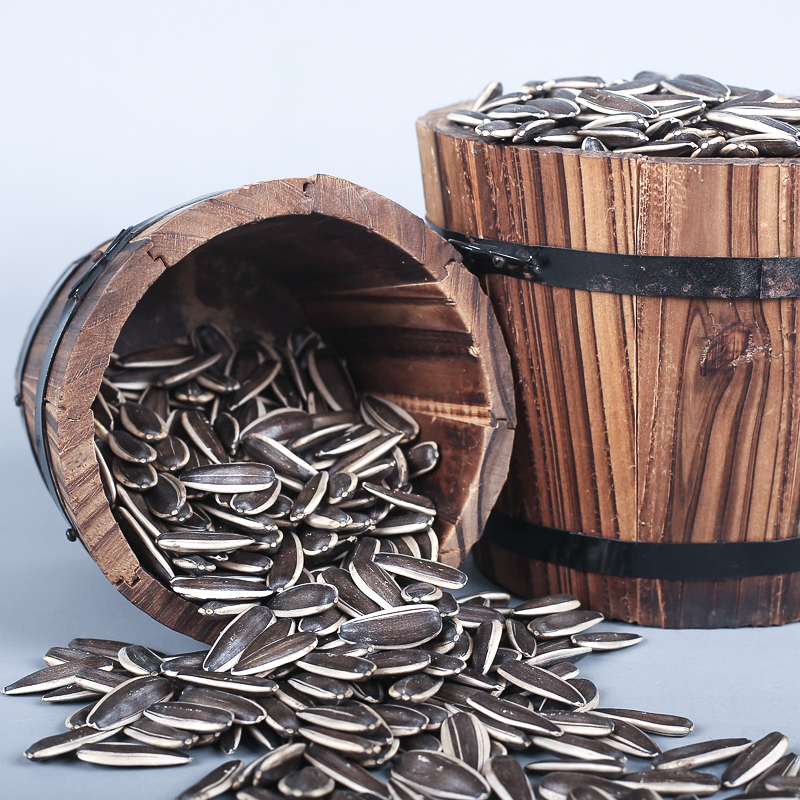
Sunflower seeds ( Helianthus annuus) for bulk sale represent a significant commodity within the global agricultural and food processing industries. Positioned between primary agricultural production and diverse downstream applications – including snack foods, confectionery, oil extraction, and animal feed – these seeds necessitate stringent quality control and adherence to complex supply chain logistics. This technical guide provides an in-depth examination of sunflower seed characteristics, manufacturing processes, performance parameters, potential failure modes, and relevant industry standards for bulk purchasers and manufacturers. The focus is on maximizing yield, minimizing loss, and ensuring compliance for large-scale commercial operations. Core performance metrics center around oil content, protein concentration, hull percentage, moisture content, and absence of aflatoxin contamination.
Material Science & Manufacturing
Sunflower seeds are comprised of three primary components: the kernel (cotyledon), the hull (pericarp), and the embryo. The kernel constitutes the majority of the seed’s mass and is rich in oil (typically 40-50% linoleic acid, 20-30% oleic acid) and protein. The hull provides physical protection and contributes to the overall fiber content, while the embryo contains the genetic material for propagation. Raw material sourcing is critical, with seed varieties categorized as confectionary (larger kernel size, thinner hull), oilseed (higher oil content, smaller kernel), and high-oleic (modified oil composition for enhanced stability).
Manufacturing begins with harvesting, typically employing combine harvesters equipped with seed-saving headers. Post-harvest processing involves cleaning to remove plant debris, foreign material, and damaged seeds. Drying is paramount to reduce moisture content to a stable 8-10%, preventing fungal growth and preserving oil quality. This is typically achieved using forced-air dryers, with temperature control critical to avoid protein denaturation and lipid oxidation. De-hulling, a subsequent step for confectionary seeds, utilizes mechanical abrasion to remove the hull, improving palatability and appearance. Size grading and density separation further refine the product, ensuring uniformity for packaging and processing. Key parameter control during drying focuses on maintaining a consistent air flow rate (measured in cubic meters per hour) and temperature gradient (ΔT) to avoid thermal stress. Hull removal efficiency is monitored via hull percentage analysis, aiming for <5% residual hull in confectionary grades. Chemical treatments, such as seed coating with fungicides, may be applied to prevent mold during storage and transport.
Performance & Engineering
The performance of sunflower seeds is inextricably linked to their physical and chemical properties. Kernel hardness, measured using durometer testing, impacts processing efficiency during de-hulling and cracking. Oil extraction yield is directly correlated with oil content, determined via Soxhlet extraction or Nuclear Magnetic Resonance (NMR) spectroscopy. The stability of the oil, assessed by measuring peroxide value and anisidine value, dictates shelf life and suitability for various applications. Moisture content, measured using a moisture analyzer, is a critical control parameter influencing storability and susceptibility to mold growth. Furthermore, the mechanical strength of the seed coat, evaluated through tensile testing, affects its resistance to cracking during handling and transportation. The force required to fracture the seed coat is a key engineering consideration for equipment design.
Environmental resistance is crucial. Seeds must withstand temperature fluctuations during storage and transport, ranging from freezing conditions to elevated temperatures in tropical climates. Packaging materials play a vital role in preventing moisture ingress and oxygen exposure, mitigating oxidative degradation. Compliance requirements vary by region, with regulations governing permissible levels of heavy metals (lead, cadmium), pesticide residues, and mycotoxins (aflatoxins). Aflatoxin contamination, caused by Aspergillus fungi, is a particularly significant concern, requiring regular testing via ELISA or HPLC. Functional implementation often involves blending different seed varieties to achieve desired oil profiles or protein concentrations for specific food applications.
Technical Specifications
| Parameter | Unit | Confectionary Grade | Oilseed Grade |
|---|---|---|---|
| Kernel Oil Content | % (Dry Basis) | 48-52 | 40-45 |
| Kernel Moisture Content | % | 8-9 | 8-10 |
| Hull Percentage | % (Weight Basis) | <5 | 20-30 |
| Kernel Size (Diameter) | mm | 14-18 | 10-14 |
| Protein Content (Kernel) | % (Dry Basis) | 20-24 | 22-26 |
| Aflatoxin Level (B1) | ppb | <5 | <10 |
Failure Mode & Maintenance
Sunflower seeds are susceptible to several failure modes throughout the supply chain. Mechanical damage during harvesting and handling can lead to kernel cracking, reducing quality and increasing susceptibility to microbial contamination. Improper drying results in elevated moisture content, promoting fungal growth and aflatoxin production. Lipid oxidation, accelerated by exposure to oxygen and high temperatures, causes rancidity and diminishes oil quality. Insect infestation, particularly by storage pests, can lead to significant losses. Delamination of the hull from the kernel can occur due to thermal stress or mechanical shock. Failure analysis often reveals that inadequate storage conditions – high humidity, fluctuating temperatures, and poor ventilation – are primary contributing factors.
Preventative maintenance involves rigorous quality control at each stage of processing. Regular monitoring of moisture content, temperature, and aflatoxin levels is essential. Proper storage facilities should be equipped with temperature and humidity control systems, and insect control measures should be implemented. Seed coatings can provide a protective barrier against moisture and fungal growth. Damage assessment during transport should identify and address handling practices that contribute to mechanical stress. Regular cleaning and sanitation of processing equipment are crucial to prevent microbial contamination. Long-term storage should ideally occur under inert gas atmospheres (nitrogen or carbon dioxide) to minimize oxidation.
Industry FAQ
Q: What is the acceptable level of foreign material in a bulk sunflower seed shipment?
A: Acceptable levels of foreign material are typically defined by contract specifications, but industry standards generally limit it to <1% by weight. This includes stems, leaves, soil, stones, and other extraneous matter. Higher levels can indicate poor harvesting or processing practices and may impact downstream processing efficiency.
Q: How is aflatoxin contamination typically managed during bulk storage?
A: Aflatoxin contamination is managed through a multi-faceted approach. This includes pre-harvest monitoring of fields for fungal infection, proper drying to reduce moisture content, regular aeration of stored seeds to prevent temperature and humidity buildup, and the application of antifungal treatments where appropriate. Regular testing via ELISA or HPLC is crucial to verify aflatoxin levels remain within acceptable limits.
Q: What is the impact of hull percentage on the value of confectionary sunflower seeds?
A: Hull percentage significantly impacts the value of confectionary seeds. A lower hull percentage (<5%) is highly desirable, as it improves palatability and increases the kernel-to-hull ratio, maximizing the edible portion. Higher hull percentages reduce the perceived value and may require additional processing to remove the hulls.
Q: How does oilseed variety differ from confectionary variety in terms of processing requirements?
A: Oilseed varieties typically have smaller kernel sizes and higher oil content, making them more suitable for oil extraction. They often require less intensive cleaning and de-hulling processes. Confectionary varieties, with their larger kernel sizes and thinner hulls, require more careful handling to minimize damage and preserve their appearance.
Q: What are the key considerations for long-term storage of bulk sunflower seeds to maintain oil quality?
A: Maintaining oil quality during long-term storage requires controlling temperature, humidity, and oxygen exposure. Optimal storage conditions include a temperature of <20°C, a relative humidity of <65%, and protection from direct sunlight. Storing seeds in airtight containers or under an inert gas atmosphere (nitrogen or carbon dioxide) can further minimize oxidation and preserve oil quality.
Conclusion
Sunflower seeds, as a bulk commodity, demand meticulous attention to detail throughout the entire production and supply chain. Optimizing quality parameters – oil content, moisture levels, and minimizing contaminants like aflatoxins – is critical for maximizing economic value and ensuring compliance with international standards. Understanding the underlying material science principles and implementing robust process controls are paramount for maintaining seed integrity and preventing performance failures.
Future advancements in sunflower seed technology will likely focus on developing improved seed varieties with enhanced oil profiles, increased disease resistance, and superior storage characteristics. The integration of advanced monitoring technologies, such as real-time sensors and predictive analytics, will further optimize processing efficiency and reduce the risk of quality defects. Ultimately, a proactive and data-driven approach to quality management is essential for success in the competitive sunflower seed market.
