Introduction
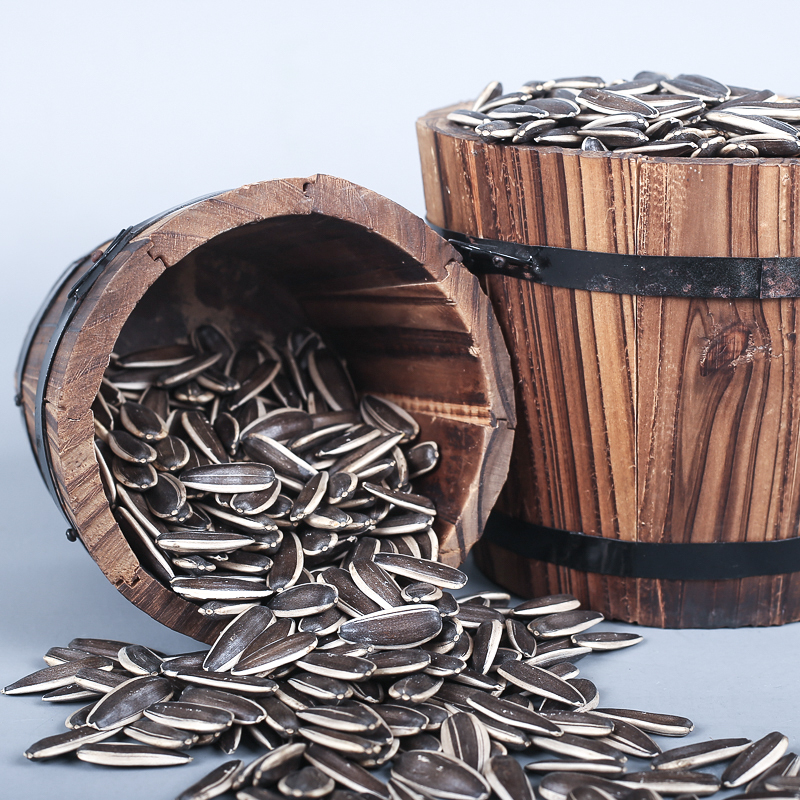
Sunflower seeds ( Helianthus annuus), particularly those destined for bulk sale to industrial processors, represent a significant commodity within the agricultural and food processing sectors. This technical guide focuses on the specific requirements for sunflower seeds intended for large-scale oil extraction, confectionery, and feed applications. Their position in the supply chain begins with agricultural production and extends through cleaning, grading, drying, dehulling (in some cases), and ultimately, the extraction of oil or direct consumption. Core performance characteristics critical to buyers include oil content, kernel size, moisture content, hulling percentage, and freedom from contaminants. These parameters dictate processing efficiency, oil yield, and final product quality. The industry faces increasing demands for sustainable sourcing, traceability, and consistent quality, driving the need for detailed technical specifications and rigorous quality control procedures. Variability in seed quality directly impacts production costs and profitability for processors, necessitating a comprehensive understanding of the factors influencing seed characteristics.
Material Science & Manufacturing
Sunflower seeds are comprised of three primary components: the kernel, the hull (or husk), and the embryo. The kernel constitutes the bulk of the seed's mass and is rich in oil (typically 40-55% by weight, varying with cultivar). The oil is a complex mixture of triglycerides, predominantly linoleic acid (a polyunsaturated omega-6 fatty acid), oleic acid (a monounsaturated fatty acid), and palmitic acid (a saturated fatty acid). Kernel composition directly correlates with oil quality and functionality. The hull, composed primarily of cellulose and lignin, provides a protective barrier but reduces the overall oil content by weight. Manufacturing begins with seed harvesting, typically via combine harvester. Crucial post-harvest processes include cleaning (removing debris, dust, and other seeds), drying (reducing moisture content to prevent fungal growth and maintain quality – typically to 8-10%), and grading based on size and density. Dehulling, while not universally performed, is common for confectionery seeds, increasing oil yield and improving appearance. Drying is critical; improper drying leads to aflatoxin contamination and reduced oil quality. Parameter control during drying—temperature, airflow, and duration—is paramount. Seed maturity at harvest also heavily influences oil content and quality; seeds harvested too early have lower oil content, while those harvested too late can be prone to sprouting and cracking.
Performance & Engineering
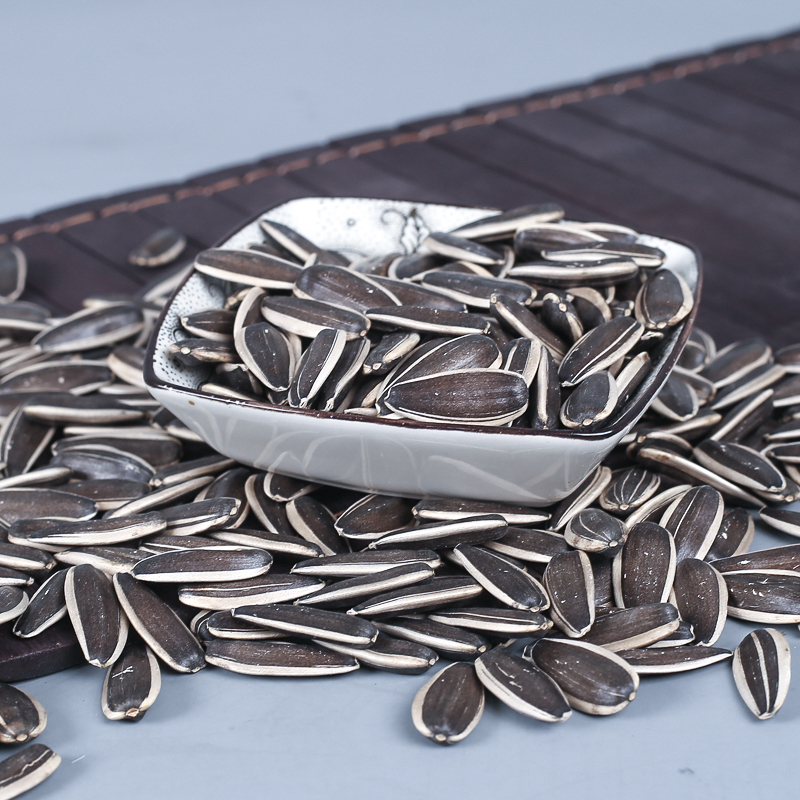
The performance of sunflower seeds in industrial processing is dictated by several key engineering properties. Tensile strength is relevant during dehulling; lower hull strength facilitates efficient removal without kernel damage. Kernel hardness impacts milling efficiency during oil extraction; harder kernels require greater energy input. Moisture content is arguably the most critical parameter. Excessive moisture promotes microbial growth (leading to aflatoxin contamination – a potent carcinogen) and hinders oil extraction efficiency. Conversely, excessively low moisture content can cause kernel breakage during processing. Bulk density affects storage and transportation logistics, influencing container fill rates and shipping costs. The impact resistance of the seeds is also important during handling and transport to minimize kernel damage. Environmental resistance considerations include the seeds’ susceptibility to insect infestation during storage and the impact of temperature fluctuations on oil quality (rancidity development due to lipid oxidation). Compliance requirements vary by region but generally include adherence to maximum allowable aflatoxin levels (typically regulated by agencies like the FDA and EFSA) and pesticide residue limits (governed by regulations like those set by the Codex Alimentarius Commission). Furthermore, sustainable agricultural practices and traceability standards (e.g., ISCC) are increasingly demanded by buyers.
Technical Specifications
| Parameter | Unit | Typical Range (Oilseed Grade) | Typical Range (Confectionery Grade) |
|---|---|---|---|
| Oil Content (Dry Basis) | % | 48-55 | 50-58 |
| Moisture Content | % | 8-10 | 7-9 |
| Kernel Size (Screen Size) | mm | 12/64" - 14/64" | 14/64" - 16/64" |
| Hull Content | % | 20-30 | 5-15 |
| Foreign Matter | % | <1 | <0.5 |
| Broken Kernels & Damaged Seeds | % | <3 | <2 |
Failure Mode & Maintenance
Sunflower seed failure modes during storage and processing are diverse. Aflatoxin contamination is a primary concern, caused by Aspergillus fungi thriving in high-moisture environments. Rancidity, resulting from lipid oxidation, degrades oil quality, leading to off-flavors and reduced nutritional value. This is accelerated by exposure to oxygen, light, and elevated temperatures. Insect infestation (e.g., by storage beetles) causes direct seed damage and introduces contaminants. Physical damage during harvesting, drying, or transport (cracking, chipping) reduces oil yield and increases the risk of microbial entry. Degradation of oil quality can occur through hydrolysis and polymerization, reducing its usefulness in industrial applications. Maintenance strategies center on proper storage: maintaining low moisture content (below 10%), controlling temperature (below 25°C), ensuring adequate ventilation, and implementing pest control measures. Regular monitoring for aflatoxin levels is crucial. Processing equipment should be thoroughly cleaned and sanitized to prevent microbial contamination. Appropriate packaging materials (e.g., moisture-proof bags) are essential for preserving seed quality during storage and transport. First-in, first-out (FIFO) inventory management minimizes storage duration and reduces the risk of degradation.
Industry FAQ
Q: What is the acceptable level of aflatoxin in sunflower seeds for human consumption, and what testing methodologies are typically employed?
A: The acceptable level of total aflatoxins in sunflower seeds for human consumption varies by region, but typically adheres to regulations set by bodies such as the FDA (US) and the EFSA (Europe). The FDA limit is generally 20 parts per billion (ppb), while the EFSA limit is 2.5 ppb for total aflatoxins. Testing methodologies commonly employed include Enzyme-Linked Immunosorbent Assay (ELISA) for rapid screening and High-Performance Liquid Chromatography (HPLC) with fluorescence detection for more accurate quantification. Sampling plans are crucial, with multiple samples taken from different locations within a bulk lot to ensure representative analysis.
Q: How does the hulling percentage affect the overall oil yield and processing costs?
A: Higher hulling percentages directly correlate with increased oil yield. Removing the hull eliminates the non-oil-bearing portion of the seed, resulting in a higher concentration of oil per unit weight. However, dehulling introduces additional processing costs, including the energy required for dehulling itself and the cost of removing hull fragments. There's a trade-off: while a higher hulling percentage maximizes oil yield, the increased processing costs must be considered. The optimal hulling percentage is determined by a cost-benefit analysis based on specific processing capabilities and market prices.
Q: What are the key differences between high-oleic and high-linoleic sunflower seeds, and how do these differences impact their applications?
A: High-oleic sunflower seeds contain a higher percentage of oleic acid (a monounsaturated fatty acid, typically >70%), resulting in improved oxidative stability and a longer shelf life. They are preferred for frying oils due to their resistance to rancidity. High-linoleic seeds contain a higher percentage of linoleic acid (a polyunsaturated fatty acid, typically >60%), making them suitable for salad oils and margarine production. Linoleic acid is an essential fatty acid, but its susceptibility to oxidation limits its use in high-heat applications.
Q: What sustainability certifications are becoming increasingly important in the sunflower seed market, and what do they entail?
A: The ISCC (International Sustainability and Carbon Certification) is a prominent sustainability certification gaining traction in the sunflower seed market. It ensures that the seeds are produced using sustainable agricultural practices, including responsible land use, greenhouse gas emission reduction, and protection of biodiversity. Other relevant certifications include Roundtable on Sustainable Palm Oil (RSPO) principles (often applied by analogy), and organic certifications (e.g., USDA Organic, EU Organic). These certifications demonstrate a commitment to environmentally and socially responsible sourcing, appealing to consumers and buyers prioritizing sustainability.
Q: What quality control measures are essential during bulk storage to prevent seed degradation and maintain oil quality?
A: Essential quality control measures include continuous monitoring of moisture content (maintained below 10%), temperature control (keeping storage temperatures below 25°C), regular aeration to prevent moisture buildup and maintain uniform temperature, and a robust pest control program. Regular sampling and analysis for aflatoxin levels and oil quality parameters (e.g., acid value, peroxide value) are crucial. Proper stacking of seed bags to allow for airflow and prevent compaction is also vital. Implementing a strict FIFO (First-In, First-Out) inventory management system minimizes storage duration and reduces the risk of degradation.
Conclusion
Sunflower seeds for bulk industrial applications are a complex agricultural product requiring stringent quality control and a deep understanding of material science principles. Optimizing oil content, minimizing moisture, and preventing contamination are paramount to ensuring efficient processing and high-quality oil extraction. The selection of appropriate cultivars, adherence to best practices in harvesting and storage, and rigorous quality assurance testing are essential for meeting the demanding requirements of the food processing and biofuel industries.
Looking ahead, advancements in breeding programs will likely focus on enhancing oil content, improving disease resistance, and developing cultivars with superior processing characteristics. Increasingly stringent sustainability standards will drive the adoption of responsible agricultural practices throughout the supply chain. Continuous monitoring and innovation in storage and handling technologies will be crucial for maintaining seed quality and minimizing losses. The integration of data analytics and predictive modeling will enable processors to optimize their operations and ensure a stable supply of high-quality sunflower seeds.
