Introduction
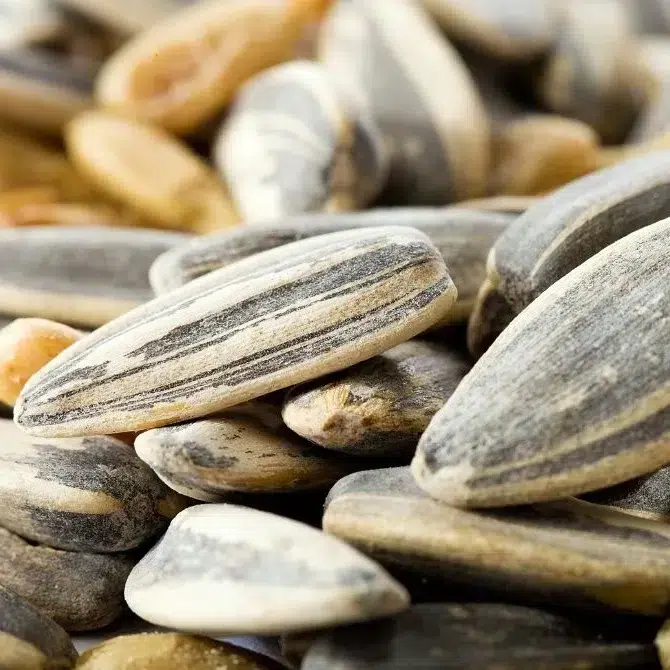
Sunflower seeds ( Helianthus annuus) for human consumption represent a significant agricultural commodity and food source globally. Positioned within the broader oilseed and snack food industries, they are valued for their nutritional profile, including high levels of unsaturated fatty acids, vitamin E, and protein. These seeds undergo processing—de-hulling, drying, roasting, and seasoning—to achieve a palatable and shelf-stable product. Core performance characteristics include kernel size and weight, oil content, protein content, and the absence of mycotoxins or other contaminants. The industry faces ongoing challenges related to maintaining seed quality throughout the supply chain, optimizing processing efficiency, and adhering to increasingly stringent food safety regulations. This guide details the material science, manufacturing processes, performance parameters, failure modes, and quality control measures associated with sunflower seeds destined for direct human consumption.
Material Science & Manufacturing
Sunflower seeds consist of a kernel enclosed within a hull (pericarp). The kernel comprises approximately 50-65% oil, 20-30% protein, 10-15% carbohydrate, and a small percentage of minerals. The oil primarily consists of linoleic acid (omega-6) and oleic acid (omega-9), with minor amounts of palmitic and stearic acids. Protein content is notable, containing essential amino acids. The hull’s composition is largely cellulose and lignin, providing structural integrity. Manufacturing begins with harvesting mature seeds, followed by drying to a moisture content of around 8-10% to prevent fungal growth. De-hulling, typically a mechanical process utilizing impact and friction, separates the kernel from the hull. This is a critical step; incomplete de-hulling impacts product quality and increases bitterness. Following de-hulling, seeds undergo size grading to separate kernels based on diameter. Roasting, usually performed at temperatures between 120-160°C, develops flavor and enhances crispness. Roasting time and temperature are precisely controlled to avoid lipid oxidation and acrylamide formation. Seasoning, involving the application of salt or other flavorings, is the final processing stage. Parameter control focuses on moisture content throughout the process, roasting temperature and duration, hulling efficiency, and preventing cross-contamination with allergens.
Performance & Engineering
Performance of sunflower seeds is heavily influenced by their physical and chemical properties. Kernel hardness, measured using compression tests, impacts processability during de-hulling and roasting. Oil stability, assessed through rancidity tests (Peroxide Value, Anisidine Value), dictates shelf life and sensory quality. Water activity (Aw) is a crucial parameter; maintaining Aw below 0.6 prevents microbial growth. Force analysis during de-hulling focuses on the optimal force required to separate the kernel without causing damage. Environmental resistance primarily concerns moisture control; exposure to high humidity leads to increased Aw and mold growth. Compliance requirements include adherence to food safety standards (e.g., HACCP, GMP), maximum permissible levels of heavy metals (lead, cadmium), and mycotoxin regulations (aflatoxins). Functional implementation centers on optimizing the roasting process to achieve desired flavor and texture profiles while minimizing the formation of harmful compounds like acrylamide. Packaging materials must provide an effective barrier to moisture, oxygen, and light to maintain product quality during storage and transport.
Technical Specifications
| Parameter | Unit | Typical Value | Test Method |
|---|---|---|---|
| Oil Content | % (Dry Basis) | 50-60 | Soxhlet Extraction (AOCS Official Method) |
| Protein Content | % (Dry Basis) | 20-30 | Kjeldahl Method (AOCS Official Method) |
| Moisture Content | % | 8-10 | Oven Drying (AACC Method 925.09) |
| Kernel Hardness | N | 50-80 | Compression Testing (ASTM D698) |
| Water Activity (Aw) | - | < 0.6 | Water Activity Meter (AACC Method 763.03) |
| Peroxide Value (PV) | meq O2/kg | < 5 | Titration (AOCS Official Method Cd 8-53) |
Failure Mode & Maintenance
Sunflower seeds are susceptible to several failure modes. Rancidity, caused by lipid oxidation, results in off-flavors and reduced nutritional value. This is accelerated by exposure to oxygen, light, and elevated temperatures. Kernel cracking during processing (de-hulling, roasting) reduces product quality and yield. Mold growth, primarily Aspergillus species, leads to aflatoxin contamination, posing a significant health risk. Insect infestation during storage causes damage and spoilage. Degradation of vitamin E due to oxidation reduces nutritional value. Maintenance strategies include proper storage in cool, dry, and dark conditions. Implementing a robust HACCP plan to control critical control points throughout the process is essential. Regular monitoring of moisture content, Aw, and peroxide value is vital. Effective pest control measures are necessary. Packaging should be hermetically sealed to minimize oxygen exposure. Periodic laboratory analysis for aflatoxins and other contaminants is critical to ensure product safety. Inspection for cracked kernels during processing allows for removal and prevents further quality degradation. Maintaining equipment (dehullers, roasters) is crucial for efficient operation and minimal kernel damage.
Industry FAQ
Q: What is the most critical factor influencing the shelf life of sunflower seeds?
A: The most critical factor is controlling oxygen exposure. Lipid oxidation, driven by oxygen, leads to rancidity and flavor deterioration. Proper packaging utilizing barrier materials and nitrogen flushing to displace oxygen significantly extends shelf life. Maintaining low moisture content and appropriate storage temperatures are also crucial, but oxygen control is paramount.
Q: How are aflatoxins controlled during sunflower seed production?
A: Aflatoxin control starts in the field with good agricultural practices, including proper harvesting and drying techniques to minimize fungal growth. De-hulling efficiently removes potentially contaminated hull fragments. Optical sorting technologies are employed to remove discolored or damaged kernels, which are more likely to contain aflatoxins. Regular testing of raw materials and finished products is mandatory to ensure compliance with regulatory limits. Implementing a robust HACCP plan with critical control points focused on aflatoxin mitigation is essential.
Q: What is the impact of roasting temperature on acrylamide formation in sunflower seeds?
A: Higher roasting temperatures and longer roasting times increase the risk of acrylamide formation, a potentially carcinogenic compound. Careful control of roasting parameters – temperature, time, and moisture content – is critical. Optimizing the roasting process to achieve desired flavor and texture while minimizing acrylamide formation requires precise process control and monitoring.
Q: How does kernel size affect the de-hulling process?
A: Kernel size significantly affects de-hulling efficiency. Consistent kernel size simplifies the de-hulling process and reduces kernel damage. Size grading after de-hulling removes broken or fragmented kernels, improving product quality. Inconsistent kernel size can lead to incomplete hull removal and increased processing difficulties.
Q: What analytical methods are used to determine the oil content of sunflower seeds?
A: The most commonly used method is Soxhlet extraction, an official method of the American Oil Chemists’ Society (AOCS). Near-infrared (NIR) spectroscopy is also employed for rapid, non-destructive oil content analysis, providing a cost-effective alternative for process monitoring. Gas Chromatography (GC) is utilized for a detailed analysis of the fatty acid composition of the oil.
Conclusion
Sunflower seed processing for human consumption demands a rigorous approach to material science, manufacturing control, and quality assurance. Maintaining optimal moisture content throughout the process, precisely controlling roasting parameters, and implementing robust aflatoxin mitigation strategies are paramount. The technical specifications detailed herein provide a benchmark for assessing product quality and ensuring compliance with industry standards. Successful production relies on a deep understanding of the seeds’ physical and chemical properties and diligent adherence to established best practices.
Future advancements will likely focus on optimizing de-hulling technologies to minimize kernel damage, developing innovative packaging materials with improved barrier properties, and employing advanced analytical techniques for rapid and accurate quality assessment. Furthermore, breeding programs aimed at developing sunflower varieties with improved oil quality, higher protein content, and enhanced resistance to fungal diseases will play a crucial role in enhancing the sustainability and nutritional value of this important food source.
