Introduction
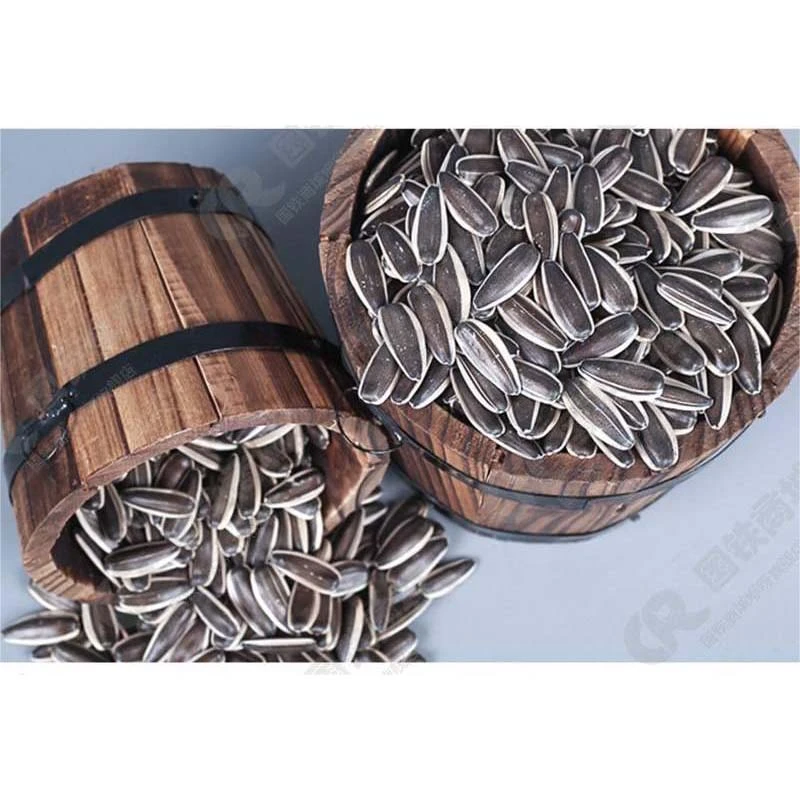
Sunflower seeds ( Helianthus annuus) for human consumption represent a significant agricultural commodity with growing global demand. Positioned within the food processing industry, these seeds undergo specific harvesting, processing, and quality control procedures to ensure suitability for direct human consumption. The primary performance characteristics of sunflower seeds are defined by oil content, protein levels, kernel size, and freedom from defects like hulling damage, discoloration, and microbial contamination. These parameters directly influence their market value and applications, ranging from snacks and confectionery to ingredients in processed foods. The industry faces key challenges related to consistent quality, aflatoxin control, efficient dehulling, and meeting increasing consumer demands for organic and non-GMO options. This guide provides a detailed technical overview of sunflower seed production, properties, performance, and potential failure modes.
Material Science & Manufacturing
Sunflower seeds are composed primarily of oil (35-55%), protein (18-25%), carbohydrates (15-20%), and fiber (5-10%). The oil, rich in linoleic acid, is the primary driver of nutritional value. Kernel hardness is determined by the protein matrix and the level of unsaturated fatty acids. Manufacturing begins with optimized agricultural practices – selecting high-yielding, disease-resistant varieties and employing proper fertilization and irrigation techniques. Harvesting is critical; seeds must be collected at optimal maturity to maximize oil content and minimize field cracking. Post-harvest processing involves cleaning, drying (to approximately 8-9% moisture content to inhibit mold growth), dehulling (mechanical or chemical methods), sizing, and grading. Dehulling parameters – impact force, roller gap, and feed rate – are meticulously controlled to minimize kernel damage. Chemical treatments, though less common now due to consumer preference, historically involved acid or alkali leaching to modify the hull’s structure for easier removal. Quality control throughout the process relies on optical sorting, density separation, and regular laboratory testing for oil content, protein content, moisture content, and the presence of contaminants like aflatoxins.
Performance & Engineering
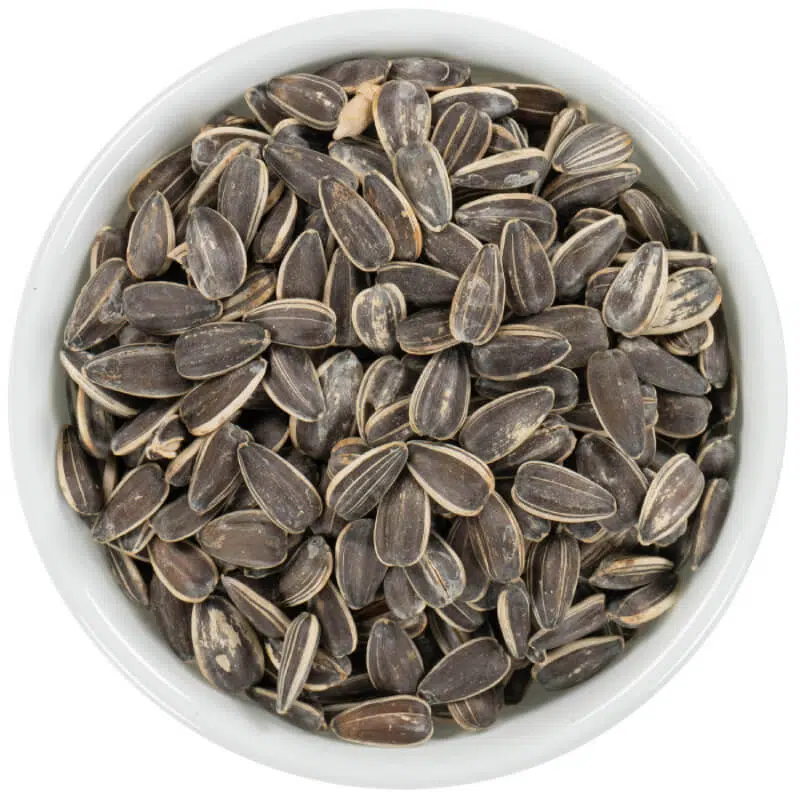
The performance of sunflower seeds is directly linked to their structural integrity and chemical composition. Force analysis during dehulling dictates kernel breakage; higher hull strength necessitates greater force, increasing the risk of damage. Environmental resistance is primarily a concern during storage. Exposure to humidity promotes fungal growth and aflatoxin production, while temperature fluctuations impact oil stability and rancidity. Packaging plays a critical role in mitigating these effects. Barrier films with low oxygen transmission rates (OTR) and low water vapor transmission rates (WVTR) are essential to maintain seed quality. Compliance requirements vary by region but generally adhere to standards set by organizations like the FDA (USA), EFSA (Europe), and national food safety authorities. These standards mandate maximum permissible levels of aflatoxins, pesticides, and heavy metals. Functional implementation focuses on minimizing dust generation during processing and ensuring consistent seed flow in packaging lines. Seed shape and size uniformity are key parameters optimized through grading and sizing operations, impacting automated packaging efficiency.
Technical Specifications
| Parameter | Unit | Typical Value (Black Oil Seeds) | Typical Value (Confectionery Seeds) |
|---|---|---|---|
| Oil Content (Dry Basis) | % | 42-50 | 38-45 |
| Protein Content (Dry Basis) | % | 20-25 | 22-28 |
| Kernel Hardness | Shore D | 60-70 | 75-85 |
| Moisture Content (at processing) | % | 8-9 | 8-9 |
| Aflatoxin B1 (Maximum Permissible) | ppb | 20 | 20 |
| Kernel Size (Mean Diameter) | mm | 10-12 | 14-16 |
Failure Mode & Maintenance
Sunflower seeds are susceptible to several failure modes. Aflatoxin contamination is a primary concern, resulting from fungal growth (primarily Aspergillus flavus) during pre- and post-harvest stages. This requires stringent monitoring and control measures. Lipid oxidation (rancidity) occurs due to exposure to oxygen and heat, leading to off-flavors and reduced nutritional value. Proper packaging and storage conditions are critical for mitigation. Kernel cracking during dehulling and processing reduces yield and market value. Optimization of dehulling parameters and equipment maintenance are essential. Hulling damage can introduce foreign material and compromise product appearance. Insect infestation can lead to significant losses. Integrated pest management strategies and proper storage sanitation are crucial. Moisture absorption can promote mold growth and accelerate spoilage. Maintaining appropriate storage humidity and using moisture-barrier packaging are preventative measures. Maintenance involves regular cleaning and inspection of processing equipment (dehullers, graders, conveyors) to minimize kernel damage and ensure efficient operation. Storage facilities must be regularly sanitized and monitored for temperature, humidity, and pest activity. Preventative maintenance schedules should include lubrication of moving parts, replacement of worn components, and calibration of monitoring equipment.
Industry FAQ
Q: What are the primary factors influencing aflatoxin levels in sunflower seeds?
A: Aflatoxin levels are primarily influenced by pre-harvest drought stress, insect damage, and post-harvest storage conditions. Drought stress weakens the plant, making it more susceptible to Aspergillus flavus infection. Insect damage provides entry points for the fungus. Improper drying and storage (high humidity and temperature) create ideal conditions for aflatoxin production. Genetic resistance in sunflower varieties also plays a role.
Q: How does oil content affect the processing and storage stability of sunflower seeds?
A: Higher oil content generally improves the sensory characteristics of the seeds, but also increases their susceptibility to lipid oxidation (rancidity). Oil content influences the dehulling process, with higher oil content seeds often being more difficult to hull cleanly. The fatty acid profile also impacts storage stability; seeds rich in unsaturated fatty acids are more prone to oxidation.
Q: What are the key considerations when selecting packaging materials for sunflower seeds?
A: The primary considerations are barrier properties – specifically, low OTR and WVTR – to protect against oxidation and moisture absorption. The packaging material should also be food-grade and compliant with relevant regulations. Consideration should be given to the type of seed (e.g., in-shell or hulled) and the intended shelf life. Material strength and resistance to puncture are also important.
Q: What dehulling methods are commonly used in the industry, and what are their respective advantages and disadvantages?
A: Mechanical dehulling (impact and friction) is the most common method, offering high throughput and relatively low cost. However, it can result in higher kernel damage. Chemical dehulling (using acids or alkalis) offers more efficient hull removal but introduces concerns about chemical residues and requires careful neutralization and washing. Newer technologies, such as enzymatic dehulling, are being explored to minimize damage and reduce chemical usage.
Q: How do grading and sizing contribute to the overall quality and marketability of sunflower seeds?
A: Grading and sizing ensure uniformity in seed size and shape, which is crucial for efficient processing and packaging. Removing broken kernels, foreign material, and discolored seeds improves product appearance and reduces the risk of contamination. Grading based on oil content and protein levels allows for segregation of seeds for different applications (e.g., confectionery vs. oil production), maximizing their value.
Conclusion
Sunflower seed quality and performance are intricately linked to a complex interplay of agronomic practices, processing parameters, and storage conditions. Maintaining optimal moisture content, minimizing kernel damage during dehulling, and preventing aflatoxin contamination are paramount concerns. A thorough understanding of the material science – specifically, the relationship between oil content, protein composition, and kernel hardness – is essential for optimizing processing efficiency and ensuring product consistency.
Future trends in the industry will likely focus on developing more resilient sunflower varieties, employing advanced sorting technologies, and implementing sustainable processing practices. Continued research into enzymatic dehulling and novel packaging materials will further enhance the quality and shelf life of sunflower seeds. Adherence to stringent quality control measures and international standards remains critical for meeting consumer demands and maintaining market access.
