Introduction
Sunflower seeds ( Helianthus annuus ) for direct human consumption represent a significant sector within the broader oilseed processing industry. Positioned between agricultural production and food manufacturing, the quality and safety of these seeds are paramount. This guide details the critical aspects of sunflower seed production, from seed biology and optimal harvesting techniques to processing methodologies, quality control parameters, and potential failure modes. Core performance metrics center on oil content, protein concentration, hulling percentage, moisture content, and the absence of mycotoxins and other contaminants. The industry faces increasing pressure to optimize yields, minimize waste, and adhere to stringent food safety regulations while catering to diverse consumer preferences for different seed types (oil-type, confectionery-type, high-oleic, etc.). This document provides a comprehensive technical overview for manufacturers aiming for consistent product quality and adherence to international standards.
Material Science & Manufacturing
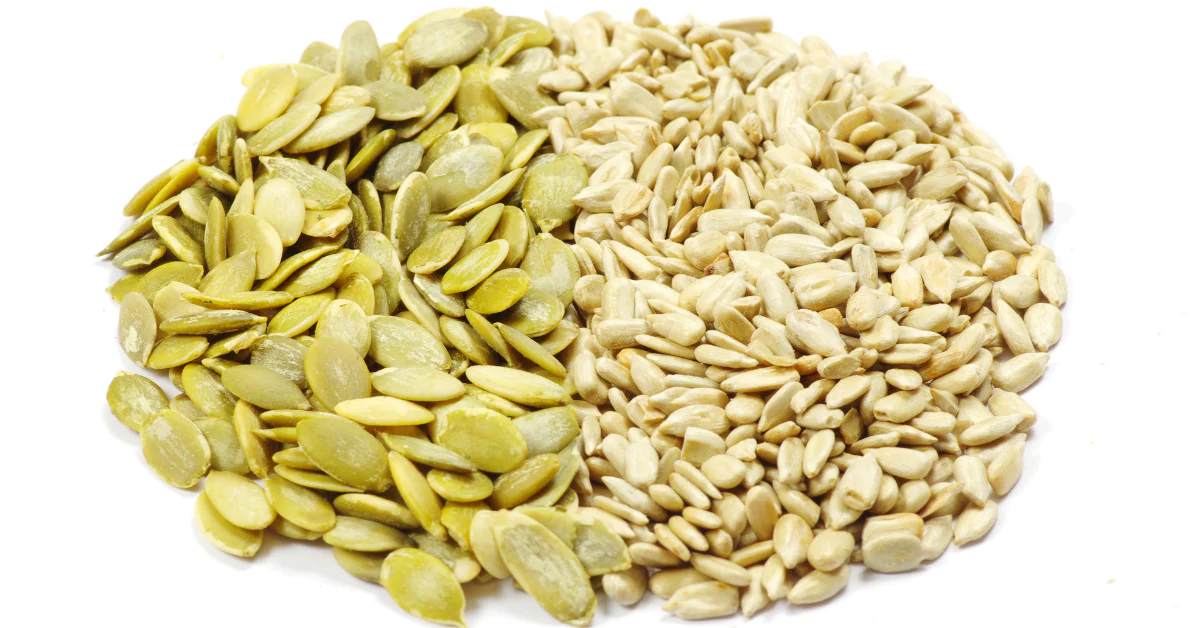
Sunflower seeds are comprised of three primary components: the hull (pericarp), the kernel (cotyledon), and the germ. The hull is largely cellulose and lignin, providing a protective outer layer. The kernel is rich in lipids (35-55% depending on seed type), proteins (18-25%), carbohydrates, and various micronutrients. The germ contains essential fatty acids and proteins. Raw material selection heavily influences final product quality; high-quality seeds exhibit uniform size, shape, and color, with minimal damage from pests or diseases. Manufacturing begins with harvesting, typically conducted when the seed moisture content reaches 18-20%. Mechanical harvesting involves cutting the heads and separating the seeds from the debris. Drying is critical, reducing moisture content to 8-10% to prevent fungal growth and maintain seed viability. Hulling separates the kernel from the hull using impact and friction. Parameters like impact velocity, abrasion surface material, and seed feed rate are carefully controlled to maximize kernel recovery and minimize damage. Post-hulling, seeds undergo cleaning (removal of foreign materials), sizing (separation by kernel size), and often, coating (seasoning or oiling). Precise control of drying temperatures is crucial to prevent denaturation of proteins and oxidation of lipids. The presence of linoleic acid in conventional sunflower oil makes it susceptible to oxidation, necessitating careful process control and potential antioxidant additions.
Performance & Engineering
The structural integrity of the sunflower seed kernel is a critical performance parameter. Force analysis during hulling reveals the relationship between impact force, seed tensile strength, and hulling efficiency. Higher tensile strength kernels require greater force, potentially leading to increased breakage. Environmental resistance is primarily a concern during storage; high humidity and temperature promote mold growth (e.g., Aspergillus flavus and Aspergillus parasiticus), leading to aflatoxin contamination. Engineering considerations include optimizing airflow in drying systems to ensure uniform moisture removal and designing hulling machines to minimize kernel damage. Compliance requirements dictate strict adherence to food safety standards (see Standards & Regulations). Functional implementation involves ensuring consistent seed size for automated packaging lines and evaluating the effectiveness of coatings in maintaining seed quality and palatability. Oil content is often assessed using Soxhlet extraction, while protein is determined via Kjeldahl analysis. Sensory analysis also plays a role, evaluating characteristics like flavor, texture, and aroma. Particle size distribution after hulling is another important parameter, impacting downstream processing (e.g., roasting, seasoning).
Technical Specifications
| Parameter | Confectionery Type | Oil-Type | High-Oleic Type | Unit |
|---|---|---|---|---|
| Kernel Moisture Content | 8.0 – 10.0 | 9.0 – 11.0 | 8.5 – 9.5 | % |
| Oil Content (Dry Basis) | 40 – 50 | 50 – 60 | 65 – 80 | % |
| Protein Content (Dry Basis) | 20 – 25 | 18 – 23 | 19 – 24 | % |
| Hull Percentage | < 8 | < 10 | < 7 | % |
| Kernel Size (Screen Size) | 10/64 – 12/64 | N/A | 10/64 – 12/64 | inches |
| Aflatoxin Level (B1, B2, G1, G2) | < 2 ppb (Total) | < 2 ppb (Total) | < 2 ppb (Total) | ppb |
Failure Mode & Maintenance
Sunflower seeds are susceptible to various failure modes. Fatigue cracking can occur during hulling if impact forces are excessive or unevenly distributed. Delamination of the kernel can result from improper drying or mechanical damage. Degradation of lipids leads to rancidity, characterized by off-flavors and reduced nutritional value. This is exacerbated by exposure to oxygen, light, and heat. Oxidation of unsaturated fatty acids is a primary contributor to rancidity. Microbial growth, particularly fungal contamination, is a significant concern, leading to mycotoxin production (aflatoxins, ochratoxins). Maintenance of processing equipment is crucial. Regular cleaning of hulling machines prevents buildup of debris and minimizes kernel damage. Inspection of drying systems ensures uniform airflow and temperature control. Calibration of analytical instruments (moisture meters, oil extractors) is essential for accurate quality control. Proper storage conditions – cool, dry, and dark – are vital to prevent lipid oxidation and microbial growth. Regular monitoring for aflatoxins is a preventative measure to ensure food safety and comply with regulatory limits. Routine inspection of conveyor belts and sorting mechanisms prevents physical contamination.
Industry FAQ
Q: What are the critical control points for preventing aflatoxin contamination?
A: Critical control points include proper harvesting timing (avoiding damage during wet conditions), rapid and effective drying to reduce moisture content below 10%, thorough cleaning to remove contaminated seeds, and regular testing for aflatoxin levels throughout the processing chain. Implementing a HACCP (Hazard Analysis and Critical Control Points) system is highly recommended.
Q: How does seed variety impact oil content and fatty acid profile?
A: Seed variety significantly influences oil content and fatty acid composition. Oil-type varieties are bred for maximum oil yield, typically exceeding 50%. High-oleic varieties contain a higher proportion of oleic acid (a monounsaturated fatty acid), enhancing oxidative stability and extending shelf life. Confectionery types prioritize kernel size and flavor.
Q: What is the optimal moisture content for long-term storage of sunflower seeds?
A: The optimal moisture content for long-term storage is 8-9%. Higher moisture levels promote microbial growth and lipid degradation. Proper storage also requires cool temperatures (below 20°C) and protection from light and oxygen.
Q: What are the common causes of kernel damage during hulling?
A: Common causes include excessive impact force, improper adjustment of hulling machine parameters (e.g., impact velocity, abrasion surface), uneven seed feed rate, and variations in seed moisture content. Regular maintenance and calibration of the hulling equipment are essential.
Q: What are the key differences between hot air drying and vacuum drying for sunflower seeds?
A: Hot air drying is more cost-effective and widely used but can lead to higher temperature gradients and potential protein denaturation if not carefully controlled. Vacuum drying operates at lower temperatures, minimizing thermal damage but is more energy-intensive and requires specialized equipment. Vacuum drying generally preserves more of the seed's natural flavor and nutritional value.
Conclusion
Sunflower seed processing demands a nuanced understanding of material science, mechanical engineering, and food safety principles. Maintaining optimal moisture content, minimizing mechanical damage during hulling, and preventing microbial contamination are crucial for producing high-quality, safe, and palatable seeds for human consumption. Continuous monitoring of key parameters – oil content, protein levels, aflatoxin concentrations – and adherence to stringent quality control procedures are paramount.
Future trends in the industry will likely focus on optimizing seed varieties for enhanced nutritional profiles (e.g., increased vitamin E content), developing more energy-efficient drying technologies, and implementing advanced sorting systems based on optical or spectroscopic methods. Furthermore, sustainable agricultural practices and traceability systems will become increasingly important to meet consumer demand for responsibly sourced products.
