Introduction
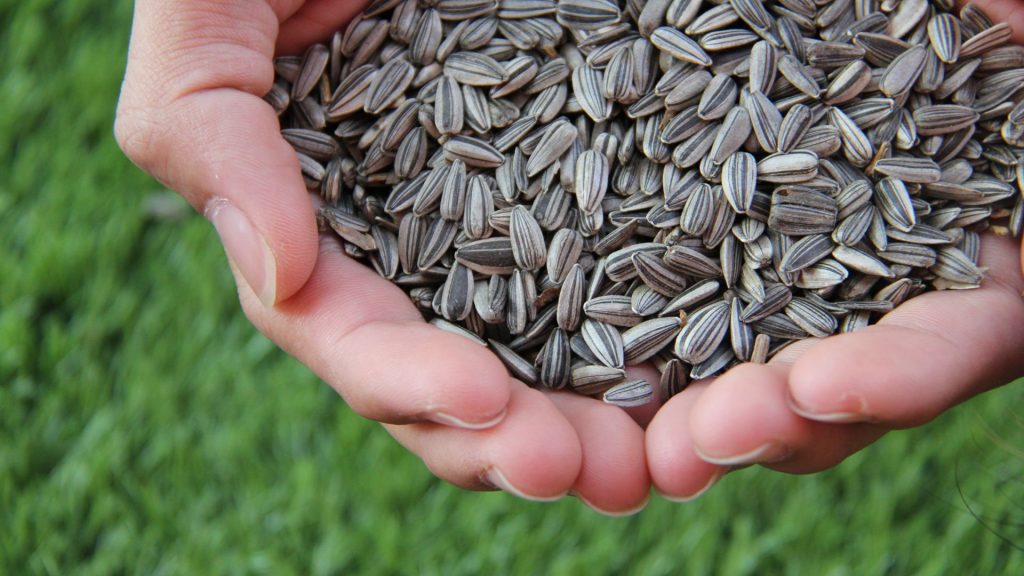
Sunflower seeds ( Helianthus annuus) for human consumption represent a significant segment of the global snack food and healthy food ingredient markets. This technical guide details the complexities of producing high-quality sunflower seeds for direct consumption, focusing on agronomic practices, processing parameters, quality control, and safety standards. Sunflower seeds occupy a unique position within the oilseed and confectionery industries, valued for their nutritional profile – rich in unsaturated fats, Vitamin E, and protein – and their versatility. The industry chain begins with seed breeding and agricultural cultivation, followed by harvesting, drying, dehulling, grading, and finally, packaging for retail. Core performance characteristics center around kernel plumpness, oil content, moisture levels, freedom from defects (damaged kernels, hulls, foreign matter), and adherence to stringent food safety regulations. Key pain points include maintaining consistent kernel quality across varying growing conditions, mitigating aflatoxin contamination, and ensuring efficient dehulling without damaging the kernel. Furthermore, optimizing processing parameters to preserve nutritional value and shelf life are critical considerations for manufacturers.
Material Science & Manufacturing
The primary material science concerns revolve around the seed's composition: approximately 40-50% oil, 20-30% protein, 15-20% carbohydrate (primarily cellulose in the hull), and 5-10% moisture. The oil is predominantly linoleic acid (an omega-6 fatty acid), with smaller amounts of oleic acid (omega-9) and palmitic acid. Protein content varies with seed variety. The hull, composed of lignin and cellulose, provides structural integrity but must be efficiently removed during processing. Manufacturing begins with harvesting, ideally when seed moisture content is around 18-20%. Drying is crucial, reducing moisture to 8-10% to prevent mold growth and aflatoxin production. This is typically achieved through forced-air drying, maintaining temperatures below 40°C to preserve oil quality. Dehulling is a critical step, often utilizing impact dehullers or roller dehullers. Impact dehullers generate more fines (broken kernels) but are efficient. Roller dehullers offer gentler dehulling but may leave more hull fragments. Parameter control is paramount: huller speed, gap settings, and feed rate directly impact dehulling efficiency and kernel damage. Following dehulling, seeds undergo cleaning (removal of hulls, sticks, stones), grading (based on size and density), and sorting (optical sorting to remove discolored or defective kernels). Nitrogen flushing during packaging minimizes oxidation and extends shelf life. Processing aids such as food-grade silicone coatings are sometimes employed to improve flowability and prevent clumping.
Performance & Engineering
Performance engineering centers on maintaining seed integrity throughout processing and ensuring optimal nutritional value. Force analysis is crucial in dehulling; the force required to fracture the hull without damaging the kernel is a key parameter. Environmental resistance, particularly to moisture and oxygen, dictates packaging requirements. Barrier properties of packaging materials are therefore critical. Compliance requirements are stringent, governed by food safety regulations (see Section 7). Functional implementation involves designing processing lines for efficient material flow and minimal kernel breakage. Seed size and shape variations necessitate precise calibration of sorting equipment. Particle size distribution analysis of broken kernels (fines) is vital for quality control and byproduct utilization. Aflatoxin mitigation is a significant engineering challenge. Effective drying, proper storage conditions (low temperature and humidity), and the potential use of aflatoxin binders are essential. The shell strength and kernel density affect the efficiency of separation processes; optimizing these parameters requires continuous monitoring and adjustment. Seed coatings, if applied, must maintain their integrity throughout handling and storage, without compromising seed viability or sensory characteristics.
Technical Specifications
| Parameter | Unit | Typical Value (Standard Grade) | Acceptable Range |
|---|---|---|---|
| Kernel Moisture Content | % | 8.0 | 7.0 - 10.0 |
| Oil Content (Dry Basis) | % | 50.0 | 48.0 - 55.0 |
| Kernel Damage (Broken/Splits) | % | 3.0 | ≤ 5.0 |
| Hull Content | % | 0.5 | ≤ 1.0 |
| Foreign Material | % | 0.1 | ≤ 0.2 |
| Aflatoxin Level (Total) | ppb | <2 | ≤ 4 (Regulatory Limit) |
Failure Mode & Maintenance
Failure modes in sunflower seeds for human consumption are multi-faceted. Rancidity, caused by lipid oxidation, is a primary concern, leading to off-flavors and reduced nutritional value. This is accelerated by exposure to oxygen, light, and heat. Aflatoxin contamination, primarily by Aspergillus flavus and Aspergillus parasiticus, presents a serious health hazard. Mechanical damage during processing (cracking, chipping) reduces visual appeal and increases susceptibility to oxidation. Hull fragments left adhering to kernels affect texture and taste. Moisture absorption during storage can lead to mold growth and degradation. Maintenance involves regular cleaning and inspection of processing equipment (dehullers, sorters, dryers) to prevent contamination and ensure optimal performance. Storage facilities must be maintained at low temperatures (≤ 20°C) and humidity (≤ 65%). Regular monitoring of aflatoxin levels is essential. Proper ventilation in storage areas prevents moisture build-up. Preventive maintenance schedules should include lubrication of moving parts, replacement of worn components, and calibration of sorting equipment. Implementation of a HACCP (Hazard Analysis and Critical Control Points) system is crucial for identifying and controlling potential hazards throughout the entire production process. Insect infestation should be controlled through integrated pest management strategies, avoiding the use of harmful pesticides.
Industry FAQ
Q: What are the critical control points for minimizing aflatoxin contamination?
A: The critical control points include proper drying of the seeds to below 10% moisture content immediately after harvest, thorough cleaning to remove contaminated kernels, implementing storage practices that minimize moisture and temperature fluctuations, and regular monitoring of aflatoxin levels throughout the process. The use of approved aflatoxin binders is also a consideration.
Q: How does the dehulling process impact the oil quality of the sunflower seeds?
A: Aggressive dehulling can generate heat and friction, leading to lipid oxidation and a decrease in oil quality. Maintaining optimal dehulling parameters – controlled speed, gap settings, and feed rate – minimizes kernel damage and preserves oil integrity. Using roller dehullers generally results in less kernel damage compared to impact dehullers.
Q: What packaging materials are best suited for maintaining the shelf life of sunflower seeds?
A: Multi-layer films with excellent barrier properties against oxygen, moisture, and light are recommended. Materials like metallized polyester or polyethylene with EVOH (ethylene vinyl alcohol) layers provide superior protection. Nitrogen flushing during packaging further reduces oxygen levels and minimizes oxidation.
Q: What methods are used to grade sunflower seeds based on quality?
A: Grading is typically based on kernel size (screen sizing), density (air classification), and visual inspection for defects (damage, discoloration, foreign matter). Optical sorting technology is increasingly used to remove defective kernels based on color and shape. Oil content analysis is also used for higher-grade seeds.
Q: What are the key differences between high-oleic and linoleic sunflower seeds, and how do they affect processing?
A: High-oleic sunflower seeds contain a higher proportion of oleic acid (a monounsaturated fat), making them more resistant to oxidation and resulting in a longer shelf life. Linoleic sunflower seeds have a higher linoleic acid content (a polyunsaturated fat) and are more prone to rancidity. Processing parameters may need to be adjusted to minimize heat exposure and oxygen contact when handling linoleic seeds.
Conclusion
The production of high-quality sunflower seeds for human consumption demands a holistic understanding of material science, engineering principles, and stringent quality control measures. From agronomic practices influencing seed composition to the intricacies of dehulling, drying, and packaging, each stage necessitates precise parameter control to maximize yield, preserve nutritional value, and ensure food safety. The constant threat of aflatoxin contamination and lipid oxidation requires continuous monitoring and proactive mitigation strategies.
Future trends will likely focus on breeding programs to enhance seed quality (higher oil content, improved resistance to aflatoxin), the implementation of advanced sorting technologies (AI-powered defect detection), and the development of sustainable packaging solutions. Adherence to international standards and rigorous quality assurance protocols remains paramount for manufacturers seeking to compete in the global market. Continued innovation in processing technologies will be crucial for optimizing efficiency and minimizing waste in the sunflower seed industry.
