Introduction
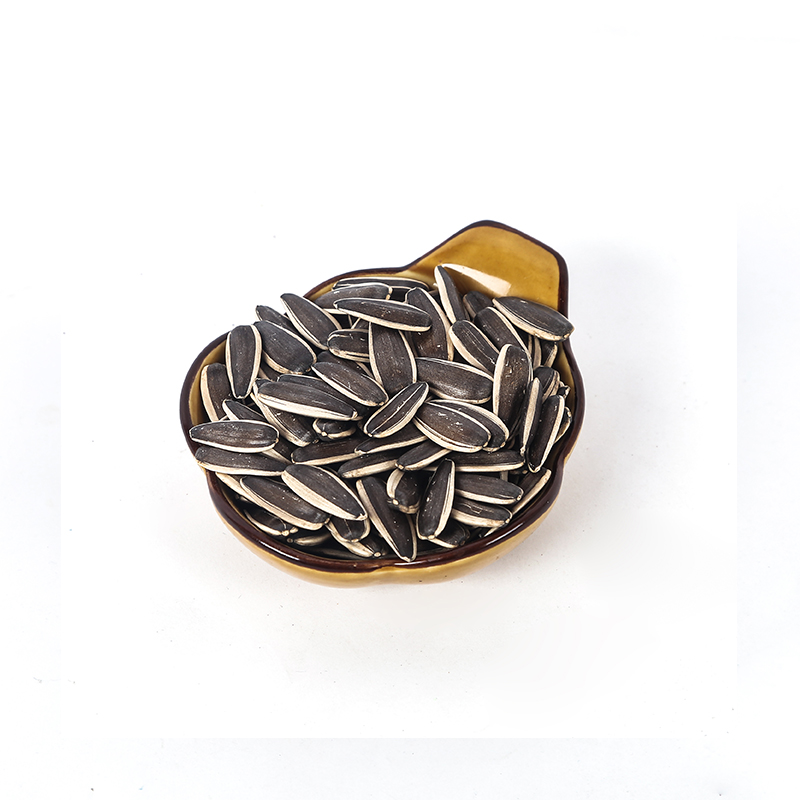
Sunflower seeds ( Helianthus annuus) for human consumption represent a significant global agricultural commodity. Positioned within the broader edible oilseed and snack food industries, their export is governed by stringent quality control, phytosanitary regulations, and increasingly, sustainability standards. The seeds themselves are dicotyledonous fruits, consisting of a kernel (the edible portion), a hull (protective outer layer), and varying levels of oil content depending on the cultivar. Core performance characteristics, crucial to international trade, include oil yield, protein content, moisture levels, and freedom from contaminants such as aflatoxins and heavy metals. The primary pain points for exporters revolve around maintaining consistent quality across harvests, mitigating mycotoxin risk, adhering to diverse import requirements, and managing supply chain traceability. This guide provides a comprehensive technical overview for exporters of sunflower seeds intended for human consumption, detailing material science, manufacturing processes, performance criteria, failure modes, and relevant international standards.
Material Science & Manufacturing
Sunflower seed composition is fundamentally determined by genetics, growing conditions, and post-harvest processing. The kernel comprises approximately 20-50% oil (primarily linoleic acid, an omega-6 fatty acid), 20-25% protein, 15-20% carbohydrate (primarily non-starch polysaccharides), and 5-10% moisture. The hull is largely cellulose and lignin. Raw material selection begins with cultivar choice, prioritizing varieties with desirable oil content and disease resistance. Manufacturing commences with harvesting, ideally at optimal maturity (approximately 9-12% moisture content) to minimize field losses and maximize oil yield. Cleaning processes utilize a combination of air separation, screening, and gravity tables to remove debris, stalks, and immature seeds. Drying is critical, typically employing forced-air systems to reduce moisture content to 6-8% for safe storage. This prevents fungal growth and subsequent mycotoxin production. Dehulling is performed mechanically, utilizing rubber rollers or abrasive surfaces, with careful control of pressure to minimize kernel damage. Further processing may include sizing and polishing to enhance appearance. Key parameter control during manufacturing focuses on temperature (to prevent oil degradation), impact force (to avoid kernel fracturing), and air velocity (for efficient cleaning). Chemical compatibility is a factor during cleaning and polishing; non-toxic, food-grade materials are essential. Contamination with ferrous metals must be rigorously avoided, often employing magnetic separators throughout the processing line.
Performance & Engineering
The performance of sunflower seeds, from a handling and storage perspective, is dictated by their physical and mechanical properties. Tensile strength, relevant to resistance to cracking during processing, ranges from 150-250 MPa depending on moisture content and cultivar. Shear strength, important for dehulling efficiency, is typically 50-100 MPa. Impact resistance, vital during transport, is assessed using drop tests. Environmental resistance focuses on maintaining quality during storage. Moisture uptake is a primary concern, necessitating hermetic storage and monitoring of relative humidity. Exposure to elevated temperatures accelerates lipid oxidation, leading to rancidity. Packaging materials must provide a moisture barrier and UV protection. Compliance requirements are extensive, encompassing regulations related to aflatoxin levels (typically <2 ppb for human consumption), pesticide residues (adhering to Maximum Residue Limits established by importing countries), and heavy metal contamination (lead, cadmium, mercury). Functional implementation – the end-use of the seeds (e.g., snack food, oil extraction) – influences quality parameters. For direct consumption, seed size and appearance are critical; for oil extraction, oil yield and fatty acid profile are paramount. Force analysis during processing reveals potential stress points where kernel damage is likely, allowing for optimization of machine parameters.
Technical Specifications
| Parameter | Unit | Typical Range | Test Method |
|---|---|---|---|
| Oil Content (Dry Basis) | % | 42-58 | Soxhlet Extraction (AOCS Official Method) |
| Protein Content (Dry Basis) | % | 18-28 | Kjeldahl Method (AOCS Official Method) |
| Moisture Content | % | 6-8 | Oven Drying (AACC Method 925.09) |
| Aflatoxin B1 | ppb | <2 | HPLC with Fluorescence Detection (AOAC Official Method) |
| Hull Content | % | 5-20 | Visual Inspection & Weight Determination |
| Broken Kernels & Foreign Material | % | <2 | Visual Inspection & Sieving |
Failure Mode & Maintenance
Sunflower seeds are susceptible to several failure modes throughout the export process. Lipid Oxidation is a primary concern, leading to rancidity and off-flavors. This is accelerated by exposure to oxygen, light, and heat. Aflatoxin Contamination arises from fungal growth (primarily Aspergillus flavus) during pre-harvest or post-harvest handling, particularly under warm, humid conditions. Mechanical Damage (cracking, fracturing) occurs during harvesting, dehulling, and transport, reducing seed quality and increasing susceptibility to insect infestation. Insect Infestation can lead to significant losses during storage. Hygroscopic Behavior causes moisture uptake, promoting fungal growth and lipid oxidation. Maintenance strategies include implementing rigorous cleaning and drying procedures, utilizing hermetic storage systems, controlling storage temperature and humidity, and employing preventative pest control measures. Regular monitoring of aflatoxin levels and oil quality is crucial. Preventative maintenance of processing equipment (dehullers, cleaners, dryers) is vital to minimize mechanical damage. Storage facilities should be regularly inspected for signs of leaks, pests, and fungal growth. Proper stock rotation (FIFO – First In, First Out) minimizes storage time and reduces the risk of quality deterioration.
Industry FAQ
Q: What are the primary factors influencing aflatoxin levels in sunflower seeds, and how can exporters mitigate this risk?
A: Aflatoxin production is highly dependent on temperature, humidity, and the presence of Aspergillus flavus. Mitigation strategies include selecting disease-resistant cultivars, optimizing harvesting timing to avoid stress on plants, ensuring rapid and thorough drying after harvest, implementing proper storage practices (low temperature, low humidity, hermetic sealing), and regular monitoring of seed lots for aflatoxin contamination. The application of preventative antifungal treatments, permitted by importing country regulations, can also be considered.
Q: How do different packaging materials affect the shelf life and quality of exported sunflower seeds?
A: Packaging materials should provide a robust moisture barrier, UV protection, and be food-grade. Multi-layer films incorporating polyethylene (PE) and aluminum foil are commonly used. Vacuum packaging or modified atmosphere packaging (MAP) can further extend shelf life by reducing oxygen levels. The permeability of the packaging material to oxygen and water vapor is a critical parameter. Biodegradable packaging options are emerging but require careful evaluation of barrier properties.
Q: What are the typical import requirements regarding pesticide residues in sunflower seeds?
A: Import requirements vary significantly by country. Exporters must adhere to Maximum Residue Limits (MRLs) established by the importing country for all registered pesticides. Detailed residue analysis reports are typically required. Documentation demonstrating adherence to Good Agricultural Practices (GAP) is often requested. Maintaining a comprehensive record of all pesticide applications is essential.
Q: What analytical methods are commonly used to determine the oil content and fatty acid profile of sunflower seeds?
A: Oil content is typically determined using Soxhlet extraction (AOCS Official Method). Fatty acid profile is analyzed using gas chromatography (GC) with flame ionization detection (FID). These methods provide quantitative data on the levels of linoleic acid, oleic acid, and other fatty acids, which are important quality parameters for oil extraction.
Q: What documentation is typically required for the export of sunflower seeds, beyond the standard bills of lading and commercial invoices?
A: In addition to standard documentation, exporters typically need to provide a Certificate of Analysis (CoA) detailing oil content, protein content, moisture content, aflatoxin levels, and pesticide residue analysis. A Phytosanitary Certificate, confirming the seeds are free from quarantine pests, is usually required. A Certificate of Origin may also be necessary. Depending on the importing country, documentation related to traceability and sustainability practices may also be requested.
Conclusion
The export of sunflower seeds for human consumption demands a thorough understanding of both the agricultural and industrial aspects of the supply chain. Maintaining consistently high quality, minimizing mycotoxin risks, and adhering to the complex web of international regulations are paramount. Effective implementation of quality control measures throughout the entire process – from cultivar selection and harvesting to drying, dehulling, storage, and packaging – is essential for ensuring market access and customer satisfaction.
Looking ahead, sustainability will become an increasingly important factor. Demand for sustainably sourced sunflower seeds is growing, driven by consumer awareness and corporate social responsibility initiatives. Adopting environmentally friendly farming practices, reducing water usage, and minimizing waste will be crucial for maintaining a competitive edge in the global market. Continuous investment in research and development to improve seed quality, enhance processing efficiency, and mitigate risks will also be essential for long-term success.
