Introduction
Sunflower seed processing facilities represent a critical node in the agricultural supply chain, transforming raw sunflower seeds into edible products and byproducts utilized across food, feed, and industrial applications. These facilities are categorized by processing scale – from small, local operations focusing on direct sales to large-scale, industrial plants serving national and international markets. The core function involves cleaning, dehulling, drying, sorting, and often roasting or flavoring the seeds. Critical performance indicators for these factories include seed yield optimization, oil extraction efficiency, maintaining seed integrity to minimize breakage, adherence to stringent food safety regulations, and minimizing waste generation. This guide provides a comprehensive technical overview of sunflower seed factory operations, encompassing material science, manufacturing processes, performance engineering, failure modes, and relevant industry standards, geared toward procurement managers, plant engineers, and quality control personnel.
Material Science & Manufacturing
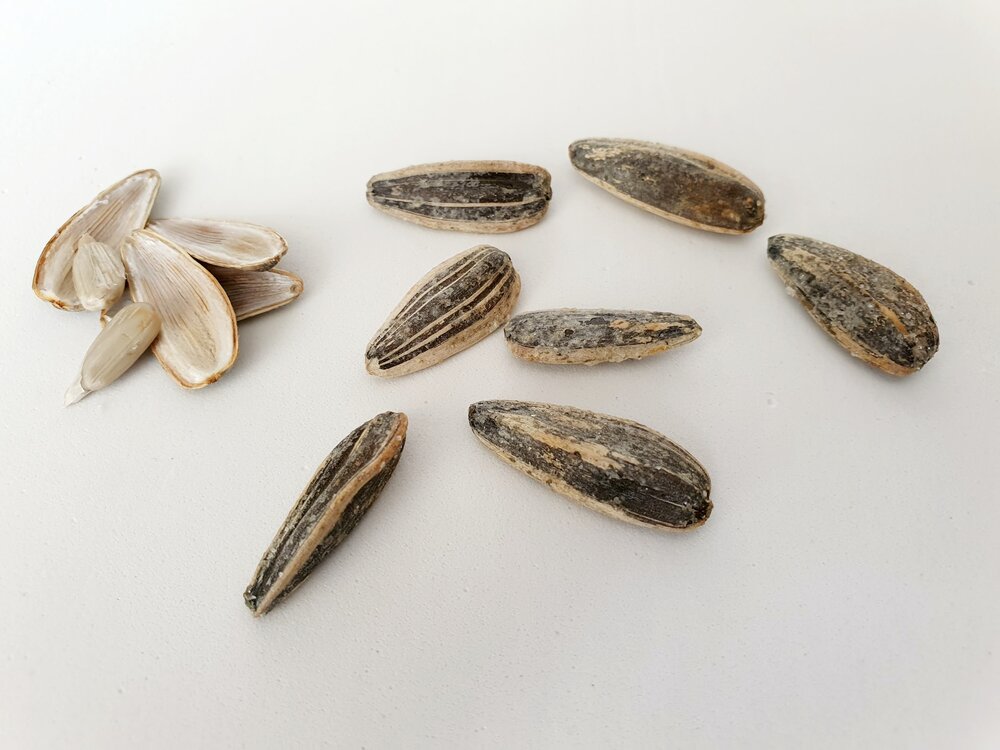
Sunflower seeds are composed of approximately 35-55% oil, 20-30% protein, 10-20% carbohydrate (primarily cellulose in the hull), and 5-15% moisture. The hull, or pericarp, is composed largely of lignin and cellulose, providing structural integrity but requiring removal during processing. The kernel itself contains linoleic acid (a polyunsaturated omega-6 fatty acid), oleic acid (a monounsaturated fatty acid), and palmitic acid. Raw material variability significantly impacts processing efficiency. Factors like seed maturity, variety (oil-type vs. confectionary-type), and initial moisture content influence oil yield, hulling ease, and final product quality. Manufacturing typically proceeds through several stages:
- Cleaning & De-stoning: Utilizing air separation, screens, and magnetic separators to remove foreign materials (stalks, leaves, stones, metal fragments).
- Dehulling: Employing impact dehullers or roller dehullers to fracture and separate the hull. Impact dehullers are effective for high-throughput but can cause kernel damage. Roller dehullers offer gentler hull removal but are less efficient for heavily soiled seeds. Parameter control focuses on rotor speed, gap adjustment, and feed rate.
- Kernel Separation: Utilizing screens and air classifiers to separate hulls from kernels based on size and density.
- Drying: Reducing moisture content to approximately 8-10% using hot air dryers. Temperature control is critical to prevent protein denaturation and oil oxidation. Fluidized bed dryers provide uniform drying, while column dryers are suitable for continuous processing.
- Color Sorting: Employing optical sorters to remove discolored or damaged kernels. Algorithms analyze color, size, and shape to identify and reject substandard seeds.
- Roasting/Flavoring (Optional): Applying heat and flavorings to enhance palatability. Roasting temperature and duration influence oil oxidation and flavor development.
- Packaging: Utilizing barrier films (discussed further in Performance & Engineering) to protect seeds from moisture, oxygen, and light.
Material selection for processing equipment prioritizes stainless steel (304 or 316) due to its corrosion resistance and hygienic properties. Polymer components (e.g., conveyor belts, hopper linings) must be food-grade and resistant to abrasion. Regular inspection and replacement of wear parts (e.g., dehuller rotors, screens) are essential for maintaining optimal performance.

Performance & Engineering
Performance of a sunflower seed factory is heavily reliant on maintaining optimal material flow, minimizing seed damage, and ensuring consistent product quality. Force analysis during dehulling is crucial: excessive impact force leads to kernel breakage, reducing yield and creating dust. Engineering solutions involve optimizing dehuller geometry, adjusting impact velocity, and implementing vibration dampening systems. Environmental resistance considerations center on temperature and humidity control. Maintaining a consistent temperature during drying prevents localized overheating and preserves oil quality. Humidity control minimizes moisture regain, preventing clumping and mold growth. Compliance requirements are dominated by food safety standards (see footer). Specifically, facilities must adhere to HACCP (Hazard Analysis and Critical Control Points) principles, establishing control points for potential hazards like aflatoxin contamination and foreign material intrusion. Barrier properties of packaging materials are paramount. Oxygen Transmission Rate (OTR) and Water Vapor Transmission Rate (WVTR) must be minimized to preserve oil stability and prevent seed rancidity. Typical packaging materials include multi-layer films composed of polypropylene (PP), polyethylene (PE), and aluminum foil, providing excellent barrier protection. Furthermore, equipment design must consider dust explosion hazards; sunflower seed dust is combustible, necessitating explosion-proof motors and grounding systems. Static electricity buildup must be minimized through proper grounding and humidity control.
Technical Specifications
| Parameter | Unit | Oil-Type Seed Processing | Confectionary-Type Seed Processing |
|---|---|---|---|
| Seed Cleaning Efficiency | % | >98% | >99% |
| Dehulling Rate | % | >95% | >90% (higher hull integrity desired) |
| Kernel Damage Rate | % | <3% | <1% |
| Moisture Content (Final Product) | % | 8-10% | 7-9% |
| Oil Extraction Yield | % | >45% | >40% |
| Aflatoxin Level (Maximum) | ppb | <20 ppb (regulatory limit) | <20 ppb (regulatory limit) |
Failure Mode & Maintenance
Common failure modes in sunflower seed factories include: Fatigue Cracking in dehuller rotors and screens due to cyclic loading; Delamination of conveyor belt materials due to abrasion and exposure to moisture; Bearing Failure in motors and drives due to inadequate lubrication or contamination; Dust Accumulation leading to fire and explosion hazards; and Oxidation of oil during drying and storage. Preventative maintenance is crucial. Regular inspection of dehuller components, including rotor blades and screens, is vital to identify wear and prevent catastrophic failure. Lubrication schedules for bearings and drives must be strictly adhered to. Dust collection systems require regular cleaning and filter replacement to maintain efficiency and minimize fire risk. Storage silos should be equipped with aeration systems to prevent moisture buildup and mold growth. Aflatoxin monitoring programs are essential to detect and mitigate contamination. In the event of equipment failure, root cause analysis should be performed to identify the underlying cause and implement corrective actions. Specifically, analyzing fractured components using metallography can reveal fatigue cracks or material defects. Oil quality monitoring (peroxide value, acid value) is necessary to detect oxidation and ensure product safety.
Industry FAQ
Q: What is the impact of seed variety on the dehulling process?
A: Oil-type seeds generally have thinner hulls and are easier to dehull compared to confectionary-type seeds, which are bred for larger kernel size and thicker hulls. This necessitates adjusting dehuller settings – lower impact velocity and wider gap adjustments for confectionary seeds to minimize kernel damage.
Q: How critical is temperature control during the drying stage?
A: Highly critical. Temperatures exceeding 60°C can lead to protein denaturation, reducing oil yield and impacting product quality. Conversely, insufficient drying results in moisture regain, promoting mold growth and reducing shelf life.
Q: What are the primary considerations when selecting packaging materials?
A: The primary considerations are minimizing OTR and WVTR to preserve oil stability and prevent seed rancidity. Multi-layer films incorporating aluminum foil or metallized polyester provide the best barrier properties. Material thickness and sealing integrity are also critical.
Q: What measures should be taken to mitigate dust explosion hazards?
A: Implementing a comprehensive dust control program is essential. This includes installing dust collection systems, using explosion-proof electrical equipment, grounding all equipment to prevent static electricity buildup, and maintaining adequate ventilation.
Q: How often should aflatoxin testing be conducted?
A: Aflatoxin testing should be conducted at multiple stages of the process – upon raw material receipt, after dehulling, and before final packaging. Frequency should be determined based on risk assessment and regulatory requirements, typically at least monthly.
Conclusion
Sunflower seed factory operations represent a complex interplay of material science, mechanical engineering, and food safety principles. Optimizing processing parameters, selecting appropriate materials of construction, and implementing robust preventative maintenance programs are critical for maximizing yield, maintaining product quality, and ensuring regulatory compliance. The selection of dehulling technology, drying protocols, and packaging materials all impact the final product characteristics and shelf life.
Future advancements in this sector will likely focus on improving dehulling efficiency with reduced kernel damage, implementing real-time oil quality monitoring systems, and developing more sustainable packaging solutions. Continuous monitoring of process parameters and embracing data analytics will enable proactive identification of potential issues and optimize overall plant performance. Adhering to evolving industry standards and prioritizing food safety will remain paramount.
