Introduction
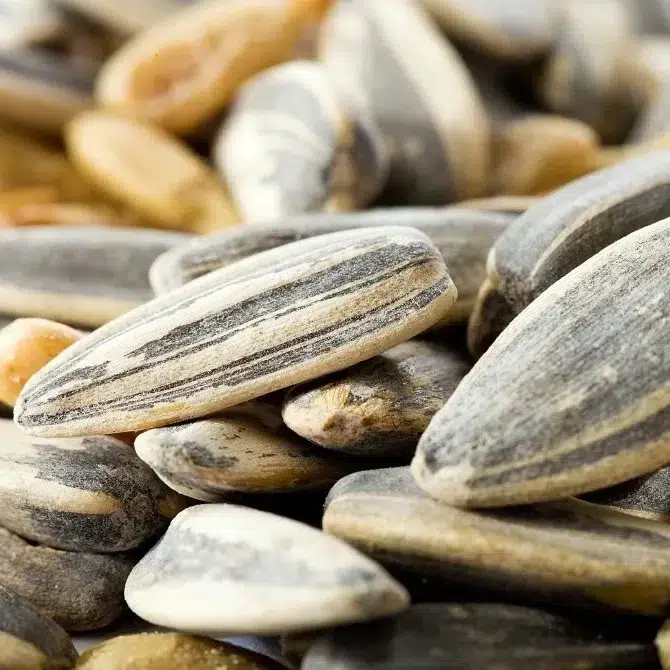
Sunflower seeds ( Helianthus annuus ) represent a significant commodity in global agricultural trade, primarily utilized for edible oil production, confectionary purposes, and increasingly, as a source of protein and other valuable biochemicals. As export products, sunflower seeds are subject to stringent quality control, regulatory compliance, and logistical considerations demanding specialized expertise. This guide details the critical technical aspects of sunflower seed export, encompassing material science, processing, performance parameters, potential failure modes during storage and transport, and relevant international standards. The primary pain points for exporters revolve around maintaining seed viability during transit, controlling aflatoxin contamination, meeting diverse import regulations concerning oil content and moisture levels, and optimizing packaging to prevent physical damage and insect infestation. Successfully navigating these challenges is crucial for maintaining market access and profitability in the competitive international sunflower seed market.
Material Science & Manufacturing
Sunflower seed composition varies significantly with cultivar, growing conditions, and maturity. The core components include the kernel (approximately 42-58% oil content, 20-28% protein, 10-20% hull), and the hull (approximately 20-30% of the total seed weight). Oil composition is dominated by linoleic acid (typically 60-70%), oleic acid (15-30%), and palmitic acid (3-6%). Protein content is notable for its amino acid profile, offering a valuable plant-based protein source. Manufacturing processes begin with harvesting, which must occur at optimal moisture content (typically 9-12%) to minimize cracking and maximize kernel recovery. Cleaning removes extraneous matter (stalks, leaves, dirt). Drying is a critical step, reducing moisture content to 6-8% for safe storage and preventing fungal growth. Dehulling can be employed, depending on the end-use application (oil extraction benefits from dehulled seeds, while confectionary seeds often retain the hull). Grading is based on seed size, oil content, and the presence of foreign material and damaged kernels. Parameter control during drying is paramount – temperature must be carefully regulated (typically below 45°C) to avoid denaturation of proteins and oxidation of oils. Seed quality directly impacts oil yield, protein availability, and the overall sensory characteristics of the final product.
Performance & Engineering
The performance of sunflower seeds as an export commodity is largely defined by its physical integrity and biochemical stability throughout the supply chain. Impact resistance is a crucial parameter, determined by seed hardness and hull strength. During handling and transport, seeds are subjected to compressive and shear forces, which can cause cracking, leading to oil leakage and reduced germination rates (if intended for replanting). Moisture migration is a significant engineering challenge. Water activity (aw) is a key indicator of spoilage potential. High aw values promote fungal growth (particularly Aspergillus species, producing aflatoxins) and lipid oxidation, leading to rancidity. Packaging engineering focuses on creating a barrier against moisture, oxygen, and physical damage. Modified Atmosphere Packaging (MAP) using nitrogen or carbon dioxide can extend shelf life by reducing oxygen levels. Environmental resistance includes tolerance to temperature fluctuations. Prolonged exposure to high temperatures accelerates lipid oxidation and protein degradation. Compliance requirements vary by destination country, focusing on maximum permissible levels of aflatoxins (typically regulated by FAO/WHO), moisture content, oil content, and the presence of genetically modified organisms (GMOs). Proper ventilation within storage containers is essential to prevent localized heating and condensation.
Technical Specifications
| Parameter | Units | Typical Range (Oilseed Variety) | Typical Range (Confectionary Variety) |
|---|---|---|---|
| Oil Content (Dry Basis) | % | 42-58 | 38-48 |
| Moisture Content | % | 6-8 | 6-8 |
| Kernel Size (Diameter) | mm | 10-16 | 14-20 |
| Hull Content | % | 20-30 | 30-50 |
| Aflatoxin Levels (B1, B2, G1, G2 Total) | ppb | <5 ppb (Regulations vary) | <5 ppb (Regulations vary) |
| Free Fatty Acid (FFA) | % Oleic Acid | <1.0 | <0.8 |
Failure Mode & Maintenance
Sunflower seed failure modes during export and storage fall into several categories. Physical Damage: Cracking and breakage result from improper handling, inadequate packaging, and excessive compressive forces during transport. This reduces market value and increases susceptibility to insect infestation. Lipid Oxidation & Rancidity: Exposure to oxygen, light, and elevated temperatures initiates lipid peroxidation, leading to off-flavors and reduced nutritional value. Antioxidant addition during processing can mitigate this. Aflatoxin Contamination: Aspergillus flavus and Aspergillus parasiticus are the primary producers of aflatoxins. Contamination occurs pre-harvest (during drought stress) or post-harvest (during improper drying and storage). Strict quality control and proper storage conditions are essential. Insect Infestation: Grain weevils and moths can infest stored seeds, causing significant damage and rendering them unfit for consumption. Insecticides and hermetic sealing (oxygen-free packaging) are employed for prevention. Moisture Absorption: Increased moisture content promotes fungal growth and accelerates spoilage. Proper packaging and climate-controlled storage are crucial. Maintenance protocols involve regular inspection of storage facilities, monitoring temperature and humidity levels, implementing pest control measures, and conducting routine aflatoxin testing. Proper stock rotation (FIFO – First In, First Out) minimizes storage time and reduces the risk of spoilage.
Industry FAQ
Q: What are the critical factors influencing aflatoxin levels in sunflower seeds?
A: Aflatoxin contamination is significantly influenced by pre-harvest drought stress, insect damage creating entry points for fungal infection, and inadequate post-harvest drying and storage practices. Maintaining seed moisture content below 8% and implementing robust pest control measures are essential preventative strategies. Regular testing for aflatoxin levels is non-negotiable.
Q: How does hull content impact the shelf life of confectionary sunflower seeds?
A: The hull provides a physical barrier against moisture and oxygen, contributing to a longer shelf life for confectionary seeds. However, the hull can also harbor residual moisture and insect pests. Proper drying of both kernel and hull is vital, and packaging must be optimized for both moisture and pest control.
Q: What packaging materials are most suitable for long-duration sunflower seed export?
A: Multi-layer packaging incorporating a moisture barrier (e.g., polyethylene), an oxygen barrier (e.g., metallized polyester), and a robust outer layer for physical protection is recommended. Consideration should be given to using bags with a desiccant to absorb any residual moisture. Modified Atmosphere Packaging (MAP) with nitrogen flushing can further extend shelf life.
Q: What is the significance of the FFA (Free Fatty Acid) value for sunflower seed oil?
A: FFA value indicates the extent of hydrolysis of triglycerides, a measure of oil degradation. Higher FFA values signify poorer quality oil, with undesirable flavor and potential for increased smoke point during frying. Low FFA values (below 1.0%) are critical for oilseed exports.
Q: What are the typical import regulations concerning GMOs in sunflower seeds?
A: Regulations regarding GMOs vary significantly by importing country. Many countries require labeling of GMO content, while others restrict or prohibit the import of GMO sunflower seeds altogether. Exporters must verify the specific regulations of each destination market and provide appropriate documentation (e.g., certificates of analysis confirming GMO status).
Conclusion
The successful export of sunflower seeds hinges on a comprehensive understanding of the seed’s material properties, meticulous process control during manufacturing, and adherence to stringent quality standards. Maintaining optimal moisture content, preventing aflatoxin contamination, and protecting against physical damage and insect infestation are paramount concerns. Exporters must prioritize robust packaging solutions, implement effective storage protocols, and remain vigilant regarding evolving import regulations in target markets.
Future trends in sunflower seed export will likely focus on traceability systems utilizing blockchain technology, increased demand for organic and non-GMO varieties, and the development of novel packaging materials with enhanced barrier properties and sustainability profiles. Continuous investment in quality control infrastructure and ongoing monitoring of global regulatory landscapes are crucial for maintaining competitiveness and ensuring long-term success in this dynamic market.
