
Introduction
Sunflower seeds, Helianthus annuus, represent a globally significant oilseed crop and food source. Their export is a complex undertaking encompassing agricultural practices, post-harvest processing, quality control, and adherence to stringent international trade regulations. This guide provides a comprehensive technical overview for stakeholders involved in the sunflower seed export industry, detailing the critical factors governing seed quality, handling, storage, and international compliance. Sunflower seeds occupy a unique position in the agricultural commodity chain, serving as both a direct human food product and a crucial feedstock for oil extraction, impacting both food and industrial markets. Core performance metrics for exported seeds revolve around oil content, kernel percentage, moisture levels, and the absence of contaminants, directly impacting profitability and market acceptance. The primary pain point for exporters lies in maintaining consistent quality across variable growing seasons, mitigating mycotoxin contamination, and navigating the diverse import regulations of destination countries.
Material Science & Manufacturing
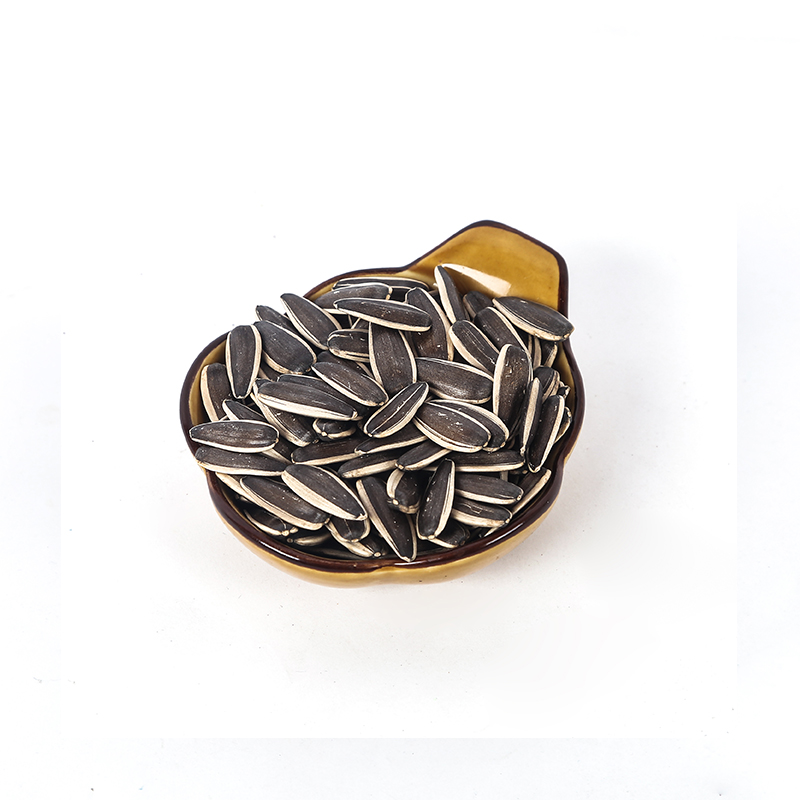
Sunflower seeds are composed of approximately 35-55% oil, 20-40% protein, 15-25% carbohydrate, and 5-10% fiber, varying based on cultivar. The seed hull (pericarp) provides physical protection, contributing to storage stability, while the kernel contains the oil-rich embryo. Oil composition is primarily linoleic acid (around 60%), oleic acid (20-40%), and palmitic acid (5-10%). The physical properties of sunflower seeds, including size, shape, and density, impact processing efficiency. Manufacturing begins with field harvesting, typically employing combine harvesters adjusted to minimize kernel damage. Post-harvest processing involves cleaning (removal of stems, leaves, and dirt), drying (reduction of moisture content to 8-10% to prevent fungal growth), dehulling (optional, depending on end-use), grading (based on size and quality), and sorting (removal of damaged or discolored seeds). Drying is critical and must be carefully controlled; excessive temperatures (>60°C) can denature proteins and reduce oil quality. Parameter control focuses on moisture content monitoring via dielectric sensors, seed temperature regulation during drying, and efficient dust and debris removal using air classification systems. Chemical compatibility considerations center around storage vessel materials – carbon steel is suitable, but aluminum should be avoided due to potential reactivity with seed components.
Performance & Engineering
The performance of sunflower seeds is largely dictated by their structural integrity and biochemical composition. Force analysis during handling and transport reveals susceptibility to kernel breakage, impacting oil yield. The shear strength of the kernel is a key performance indicator, influenced by moisture content and cultivar. Environmental resistance is crucial during storage; seeds are vulnerable to insect infestation and fungal growth in humid conditions. Effective storage requires controlled atmospheres (low oxygen, low humidity) and regular monitoring for temperature and pest activity. Compliance requirements vary significantly by importing country. The European Union (EU) enforces stringent regulations regarding pesticide residues (Regulation (EC) No 396/2005) and mycotoxin levels (Regulation (EC) No 1881/2006). The United States Department of Agriculture (USDA) sets standards for seed purity and germination. Functional implementation considerations include packaging design to minimize moisture ingress and mechanical damage, and the optimization of storage conditions to maintain seed viability and oil quality over extended periods. The bulk density of the seeds influences transportation costs and storage capacity.
Technical Specifications
| Parameter | Unit | Typical Range (Oilseed Variety) | Typical Range (Confectionary Variety) |
|---|---|---|---|
| Oil Content (Dry Basis) | % | 42-58 | 38-45 |
| Kernel Percentage | % | 55-70 | 65-80 |
| Moisture Content | % | 8-10 | 8-10 |
| Acid Value | mg KOH/g | <1.0 | <0.5 |
| Peroxide Value | meq O2/kg | <10 | <5 |
| Broken Kernels / Foreign Material | % | <2 | <1 |
Failure Mode & Maintenance
Sunflower seed failure modes during export can be categorized into physical damage, biochemical degradation, and biological contamination. Fatigue cracking of the seed coat can occur during handling and transportation, leading to kernel loss and reduced oil yield. Delamination of the kernel can result from improper drying or storage conditions. Degradation of oil quality manifests as increased acidity and peroxide values, indicating rancidity. Oxidation of unsaturated fatty acids is accelerated by exposure to air, light, and elevated temperatures. Biological contamination, particularly by fungi like Aspergillus species, leads to mycotoxin production (aflatoxins), rendering the seeds unfit for consumption. Maintenance solutions include implementing gentle handling procedures, optimizing drying and storage conditions, utilizing inert gas packaging (nitrogen flushing), and employing regular pest control measures. Seed treatments with fungicides can mitigate fungal growth, but adherence to residue limits is essential. Regular monitoring of seed quality parameters (moisture content, oil content, acidity, peroxide value, mycotoxin levels) is crucial for early detection of degradation and implementation of corrective actions. Controlled atmosphere storage (CAS) is an effective, albeit costly, preventative maintenance strategy.
Industry FAQ
Q: What is the critical moisture content level for long-term sunflower seed storage, and how is it accurately measured?
A: The critical moisture content for long-term storage is generally considered to be below 8.5%. Above this level, the risk of fungal growth and mycotoxin production significantly increases. Accurate measurement is best achieved using a calibrated moisture analyzer employing the dielectric method. Regular, representative sampling is essential, as moisture content can vary within a bulk lot. Avoid relying solely on visual inspection or outdated oven-drying methods.
Q: What are the implications of different sunflower seed oil content percentages for export contracts?
A: Oil content directly impacts the price and value of sunflower seeds, particularly for crushing (oil extraction) contracts. Higher oil content translates to greater oil yield per unit of seed, increasing profitability for the buyer. Contracts typically specify a minimum oil content percentage, and penalties may be applied for non-compliance. Accurate oil content determination requires laboratory analysis using solvent extraction methods (e.g., Soxhlet extraction).
Q: How do EU regulations regarding pesticide residues impact sunflower seed exports?
A: EU Regulation (EC) No 396/2005 sets Maximum Residue Levels (MRLs) for various pesticides in food products, including sunflower seeds. Exporters must ensure that pesticide residue levels in their shipments are below the established MRLs. This requires careful selection of pesticides used during cultivation, adherence to pre-harvest intervals, and thorough residue testing before export. Non-compliance can lead to shipment rejection and significant financial losses.
Q: What measures can be taken to prevent aflatoxin contamination in sunflower seeds?
A: Aflatoxin contamination is a major concern, particularly in warm and humid climates. Prevention strategies include selecting aflatoxin-resistant cultivars, implementing good agricultural practices (GAP) to minimize insect damage, optimizing drying to reduce moisture content rapidly, and storing seeds in cool, dry, and well-ventilated conditions. Regular aflatoxin testing is essential. The use of antifungal treatments may also be considered, subject to regulatory approvals.
Q: What packaging materials are recommended for maintaining sunflower seed quality during long-distance transport?
A: Packaging materials should provide a barrier against moisture, oxygen, and physical damage. Multi-layer polypropylene (PP) woven bags with an inner polyethylene (PE) liner are commonly used. Bags should be tightly sealed to prevent ingress of moisture and pests. Palletizing and stretch-wrapping shipments provide additional protection during transport. Consider using oxygen absorbers or nitrogen flushing to further extend shelf life.
Conclusion
The successful export of sunflower seeds hinges on a deep understanding of the underlying material science, meticulous manufacturing practices, and unwavering adherence to international quality and safety standards. Maintaining optimal moisture content, preventing mycotoxin contamination, and ensuring compliance with diverse import regulations are paramount concerns for exporters. A robust quality control system encompassing pre-harvest monitoring, post-harvest processing, storage, and transportation is critical for mitigating risks and maximizing profitability.
Future trends in the sunflower seed export industry will likely focus on increased demand for high-oleic varieties, sustainable agricultural practices, and traceability systems utilizing blockchain technology. Furthermore, adapting to evolving import regulations and consumer preferences will be essential for long-term success. Continuous investment in research and development, coupled with a commitment to quality assurance, will be key to navigating the complexities of the global sunflower seed market.
