
Introduction
Sunflower seeds, Helianthus annuus, represent a significant commodity within the global food and oilseed markets. The procurement of these seeds online, particularly for bulk buyers and industrial processing, presents unique challenges regarding quality control, traceability, and logistical efficiency. This technical guide details the critical considerations for sourcing sunflower seeds from online suppliers, focusing on the material science inherent in seed characteristics, manufacturing processes impacting seed quality, performance parameters vital for processing, potential failure modes during storage and transport, and relevant industry standards. The increasing reliance on online platforms necessitates a thorough understanding of seed classifications (oil-type, confectionery-type, and hybrid varieties), kernel content, oil percentage, and potential contaminant levels. This guide serves as a resource for procurement managers, food scientists, and quality control personnel involved in the sourcing of sunflower seeds for food production, animal feed, and oil extraction. The primary pain point for B2B buyers revolves around mitigating risks associated with inconsistent seed quality and verifying supplier adherence to stipulated specifications when physical inspection is limited.
Material Science & Manufacturing
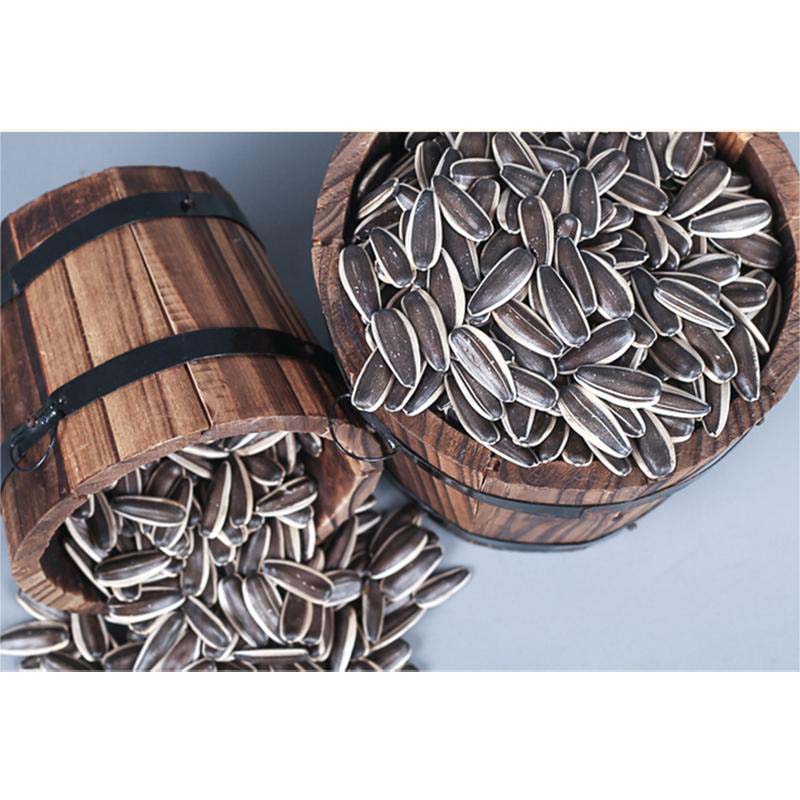
Sunflower seeds are comprised primarily of three components: the hull (pericarp), the kernel, and the oil contained within the kernel. The hull's composition is largely cellulose and lignin, providing structural integrity and protection. Kernel composition consists of approximately 20-50% oil (triglycerides), 20-30% protein, and 10-20% carbohydrates. Oil type sunflowers are bred for high oleic and linoleic acid content, influencing oil viscosity and stability. Confectionery types prioritize kernel size and hull stripability. Manufacturing processes begin with seed breeding and hybridization. Controlled pollination techniques are employed to develop specific traits. Harvesting is critical; optimal moisture content (around 9-12%) minimizes cracking and fungal growth. Drying, typically using forced-air systems, reduces moisture to 6-8% for storage. Dehulling, a mechanical process, separates the kernel from the hull, impacting kernel damage and oil yield. Proper calibration of dehulling equipment is paramount. Seed cleaning, employing sieves and air separation, removes foreign material. Key parameter control includes monitoring seed moisture content throughout the process, controlling dehulling pressure to minimize kernel breakage, and ensuring efficient removal of contaminants. Kernel lipid peroxidation, driven by unsaturated fatty acid content, is a key degradation pathway; antioxidant treatments may be applied post-harvest to mitigate this.
Performance & Engineering
The performance of sunflower seeds is heavily influenced by their physical and mechanical properties. Kernel hardness, measured using impact testing, dictates processability during oil extraction. Hull strength influences dehulling efficiency and kernel damage. Seed density is critical for grading and sorting processes. The oil content, typically ranging from 42-58%, dictates oil yield and economic value. Environmental resistance is primarily related to storage conditions. High humidity promotes fungal growth and aflatoxin contamination. Temperature fluctuations accelerate lipid oxidation and degradation of proteins. Compliance requirements are stringent, governed by food safety regulations (e.g., FDA in the US, EFSA in Europe). Aflatoxin levels are a primary concern, requiring regular monitoring and adherence to maximum permissible limits. The engineering aspects focus on optimizing processing parameters. Oil extraction, utilizing mechanical pressing or solvent extraction, requires careful control of temperature and pressure to maximize oil yield and minimize residual oil content in the seed cake. Proper ventilation and temperature control in storage facilities are crucial for preventing spoilage and maintaining seed quality. Force analysis during dehulling operations determines optimal equipment settings and predicts potential kernel damage.
Technical Specifications
| Parameter | Oil-Type Sunflower Seeds | Confectionery-Type Sunflower Seeds | Units |
|---|---|---|---|
| Oil Content (Dry Basis) | 44-58 | 38-48 | % |
| Kernel Content | 60-75 | 65-80 | % |
| Hull Content | 25-40 | 20-35 | % |
| Moisture Content (at delivery) | ≤8.0 | ≤8.0 | % |
| Aflatoxin Level (B1, B2, G1, G2) | ≤5 ppb (Total) | ≤5 ppb (Total) | ppb |
| Kernel Damage (broken kernels, chipped kernels) | ≤5 | ≤3 | % |
Failure Mode & Maintenance
Sunflower seeds are susceptible to several failure modes during storage and transport. Lipid oxidation, driven by unsaturated fatty acids, leads to rancidity and reduced oil quality. This is accelerated by exposure to oxygen, light, and elevated temperatures. Fungal contamination, particularly Aspergillus flavus and Aspergillus parasiticus, results in aflatoxin production, rendering the seeds unusable for human consumption. Insect infestation can cause significant damage and contamination. Physical damage, such as cracking and chipping, occurs during handling and processing, reducing kernel quality and increasing vulnerability to moisture absorption and fungal growth. Delamination of the kernel can occur due to improper drying or mechanical stress. Maintenance strategies include strict temperature and humidity control in storage facilities (optimal conditions: 15-20°C, 60-70% relative humidity). Regular inspection for insect infestation and fungal growth. Proper cleaning and sanitation of storage equipment. Use of oxygen-absorbing packaging materials. Implementing a robust first-in, first-out (FIFO) inventory management system. Regular aflatoxin testing. Protective packaging during transport to minimize physical damage. Proper calibration and maintenance of processing equipment (dehullers, cleaners, oil presses).
Industry FAQ
Q: What are the critical quality control checks I should perform when sourcing sunflower seeds online, given I cannot physically inspect the bulk order before delivery?
A: Implement a rigorous supplier vetting process. Request detailed Certificates of Analysis (CoA) for each batch, specifically focusing on oil content, kernel content, moisture content, and aflatoxin levels. Request photographic evidence of a representative sample from the batch. Specify acceptable quality levels (AQLs) for defects like broken kernels and foreign material in the purchase agreement. Utilize a third-party inspection service to verify CoA claims and sample quality if the order volume justifies the expense. Include penalty clauses in the contract for non-compliance with specifications.
Q: How does the seed variety (oil-type vs. confectionery-type) impact my processing parameters, specifically in oil extraction?
A: Oil-type sunflower seeds generally have a higher oil content, leading to higher oil yields. However, confectionery seeds often have a larger kernel size, which can impact the efficiency of pre-pressing operations. Oil-type seeds may require more aggressive extraction methods due to their denser kernel structure. Confectionery seeds may necessitate gentler handling to avoid kernel damage. The oil profile (oleic vs. linoleic acid content) also varies, affecting oil viscosity and refining requirements.
Q: What are the primary risks associated with aflatoxin contamination, and what preventative measures can I enforce with my online supplier?
A: Aflatoxins are potent carcinogens and represent a significant food safety hazard. Contamination occurs primarily through fungal growth during storage, particularly under warm and humid conditions. Preventative measures include sourcing seeds from regions with low aflatoxin risk, verifying supplier adherence to Good Agricultural Practices (GAP), and mandating regular aflatoxin testing throughout the supply chain. Request documentation of supplier’s aflatoxin control program.
Q: How important is the moisture content of sunflower seeds upon delivery, and what are the acceptable limits?
A: Moisture content is critically important. Excessive moisture promotes fungal growth and lipid oxidation. The generally accepted limit is ≤8.0% at the time of delivery. Above this level, the seeds are more susceptible to spoilage during storage. The supplier should provide documentation verifying moisture content measurements using a calibrated moisture meter.
Q: What packaging methods best preserve the quality of sunflower seeds during long-distance transport from online suppliers?
A: Flexible packaging options such as polypropylene woven bags with polyethylene liners are commonly used, but the use of oxygen-absorbing liners or vacuum sealing is highly recommended to minimize lipid oxidation. Palletizing and shrink-wrapping provide additional protection during transit. Proper labeling indicating storage requirements (cool, dry place) is essential. Avoiding exposure to direct sunlight and rain during transport is also crucial.
Conclusion
Sourcing sunflower seeds online demands a proactive and technically informed approach. Understanding the interplay between material science, manufacturing processes, and performance parameters is critical for mitigating risks associated with quality inconsistencies and ensuring compliance with regulatory standards. Thorough supplier vetting, rigorous quality control checks, and appropriate storage and transport protocols are essential for maintaining seed integrity and maximizing economic value.
Future trends in sunflower seed procurement will likely focus on increased traceability utilizing blockchain technology, improved analytical techniques for rapid aflatoxin detection, and the development of more sustainable packaging materials. Prioritizing long-term supplier relationships based on transparency and mutual commitment to quality will become increasingly important in navigating the complexities of the online marketplace.
