Introduction
Sunflower seeds ( Helianthus annuus) represent a significant commodity within the agricultural and processed food industries. The online procurement of sunflower seeds, whether for direct consumption, oil extraction, or confectionery applications, necessitates a thorough understanding of seed quality parameters, processing impacts, and logistical considerations. This guide details the scientific and engineering aspects governing the quality, performance, and preservation of sunflower seeds purchased online, addressing key concerns for procurement managers and quality control engineers. From varietal composition impacting oil content to storage conditions affecting rancidity, a holistic technical analysis is crucial for mitigating risk and ensuring consistent product quality. The increasing trend of direct-to-consumer and business-to-business online sales requires stringent adherence to food safety standards and traceability protocols.
Material Science & Manufacturing
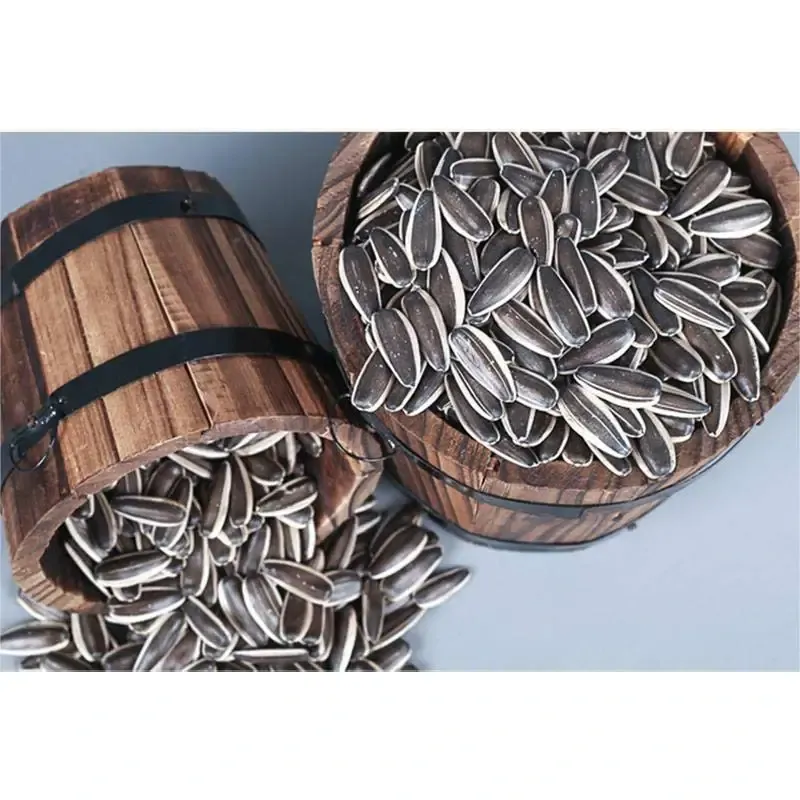
Sunflower seed composition is fundamentally dictated by genetics (variety) and environmental factors during growth. The seed comprises approximately 35-50% oil, 20-40% protein, 10-20% carbohydrate (primarily starch), and 5-15% hull (seed coat). The oil is rich in linoleic acid (an omega-6 fatty acid) and oleic acid, with the ratio varying by cultivar. Hulls are largely cellulose and lignin. Manufacturing, in this context, refers to post-harvest processing – drying, cleaning, grading, shelling (if required), and packaging. Drying is critical, typically utilizing forced air systems to reduce moisture content to 8-10% to inhibit microbial growth and enzymatic activity. Improper drying leads to increased susceptibility to aflatoxin contamination. Cleaning removes foreign material (stalks, leaves, weed seeds). Grading categorizes seeds based on size and density, impacting oil yield and shelling efficiency. Packaging utilizes materials providing a barrier against moisture, oxygen, and light to preserve oil quality. Polyethylene (PE) and polypropylene (PP) films are commonly used, sometimes with metallized layers for enhanced barrier properties. Control of drying temperature is paramount; excessive heat degrades oil quality and protein structure. Seed shelling processes employ mechanical impact or abrasion, generating fines (small seed fragments) that require efficient removal to prevent oil oxidation.
Performance & Engineering
The performance of sunflower seeds, particularly concerning oil yield and protein content, is evaluated through rigorous quality control procedures. Oil content is typically determined by solvent extraction (e.g., hexane) followed by gravimetric analysis. Protein content is assessed via Kjeldahl or Dumas methods, quantifying nitrogen content. Seed soundness is evaluated by visual inspection and mechanical damage assessments. The force required to fracture a seed hull indicates its strength and resistance to damage during processing. Environmental resistance relates to storage stability; factors impacting this include temperature, humidity, and oxygen exposure. High humidity promotes fungal growth and aflatoxin production. Oxygen initiates lipid oxidation, leading to rancidity and a decrease in oil quality, quantified by Peroxide Value (PV) and Anisidine Value (AV). Compliance requirements encompass regulations set by food safety authorities (e.g., FDA in the USA, EFSA in Europe). These regulations establish permissible limits for contaminants (heavy metals, pesticides, mycotoxins) and require adherence to Good Manufacturing Practices (GMP). Transportation engineering focuses on maintaining temperature control during shipment to prevent deterioration. Packaging design must withstand logistical stresses (vibration, compression) to minimize seed damage.
Technical Specifications
| Parameter | Unit | Typical Range (Oilseed Varieties) | Typical Range (Confectionery Varieties) |
|---|---|---|---|
| Oil Content | % (Dry Weight Basis) | 42-58 | 38-48 |
| Protein Content | % (Dry Weight Basis) | 18-28 | 20-26 |
| Moisture Content | % | 8-10 | 8-10 |
| Hull Content | % | 20-30 | 5-15 |
| Kernel Size (Diameter) | mm | 8-12 | 12-16 |
| Peroxide Value (PV) | meq O2/kg | <5 | <3 |
Failure Mode & Maintenance
Sunflower seed degradation manifests in several failure modes. Lipid oxidation is a primary concern, leading to rancidity and off-flavors, accelerated by oxygen, light, and elevated temperatures. Aflatoxin contamination, caused by Aspergillus flavus and Aspergillus parasiticus fungi, represents a serious health hazard. This is favored by drought stress during growth and improper drying/storage. Physical damage (cracking, chipping) during handling and processing reduces oil yield and increases susceptibility to oxidation. Insect infestation can lead to significant losses and contamination. Microbial spoilage due to bacteria or yeasts results in off-odors and reduced shelf life. Maintenance involves implementing preventative measures. This includes sourcing seeds from reputable suppliers with robust quality control systems, maintaining optimal storage conditions (cool, dry, dark environment), utilizing appropriate packaging materials with oxygen barriers, implementing regular pest control programs, and adhering to strict sanitation protocols. Monitoring peroxide value and aflatoxin levels through periodic testing is crucial. First-in, first-out (FIFO) inventory management minimizes storage duration. Proper ventilation within storage facilities prevents moisture buildup. Visual inspection for signs of insect damage or fungal growth is essential.
Industry FAQ
Q: What is the significance of the oil to protein ratio in sunflower seeds, and how does it vary between oilseed and confectionery types?
A: The oil to protein ratio dictates the ultimate application of the seeds. Oilseed varieties prioritize oil yield for oil extraction, typically exhibiting a higher oil content (42-58%) and lower protein content (18-28%). Confectionery seeds, intended for direct consumption, are bred for larger kernel size and a more favorable flavor profile, often having a slightly lower oil content (38-48%) but a comparable or slightly higher protein content (20-26%). This ratio impacts processing efficiency and nutritional value.
Q: How do you ensure the sunflower seeds sourced online meet food safety standards regarding aflatoxin levels?
A: Reputable suppliers will provide a Certificate of Analysis (COA) verifying aflatoxin levels are below regulatory limits (e.g., <20 ppb as defined by the FDA). Independent third-party testing is recommended for critical applications. Traceability systems should be in place to track the origin and processing history of the seeds. Furthermore, adherence to Good Agricultural Practices (GAP) and Good Manufacturing Practices (GMP) minimizes the risk of contamination.
Q: What packaging characteristics are crucial for maintaining the quality of sunflower seeds during online shipment and storage?
A: The packaging should provide a barrier against moisture, oxygen, and light. Materials like polyethylene (PE) or polypropylene (PP) with a metallized layer offer excellent protection. Vacuum packaging or modified atmosphere packaging (MAP) can further extend shelf life. The packaging must also be robust enough to withstand the physical stresses of transportation (vibration, compression).
Q: How does moisture content affect the shelf life and quality of sunflower seeds?
A: Moisture content is a critical parameter. High moisture content (above 10%) promotes microbial growth (fungi, bacteria) and enzymatic activity, leading to spoilage, aflatoxin production, and rancidity. Proper drying to 8-10% is essential for long-term storage. Packaging materials must prevent moisture ingress during storage and shipment.
Q: What analytical methods are used to assess the quality of sunflower seeds before procurement?
A: Key analytical methods include oil content determination (solvent extraction), protein content analysis (Kjeldahl or Dumas), moisture content measurement (oven drying), and assessment of seed soundness (visual inspection, mechanical damage analysis). Furthermore, peroxide value (PV) and anisidine value (AV) are used to evaluate oil quality and rancidity. Aflatoxin analysis (HPLC or ELISA) is crucial for food safety.
Conclusion
The successful procurement of sunflower seeds online relies on a comprehensive understanding of their material science, manufacturing processes, and performance characteristics. Maintaining seed quality requires diligent attention to drying, storage, packaging, and adherence to food safety standards. Rigorous analytical testing and robust traceability systems are crucial for mitigating risk and ensuring a consistent supply of high-quality seeds.
Future advancements in seed breeding will likely focus on enhancing oil content, improving protein quality, and increasing resistance to pests and diseases. Optimized packaging technologies incorporating active oxygen scavengers and moisture absorbers will further extend shelf life. The implementation of blockchain technology can enhance traceability and transparency throughout the supply chain, building consumer confidence.
