Introduction
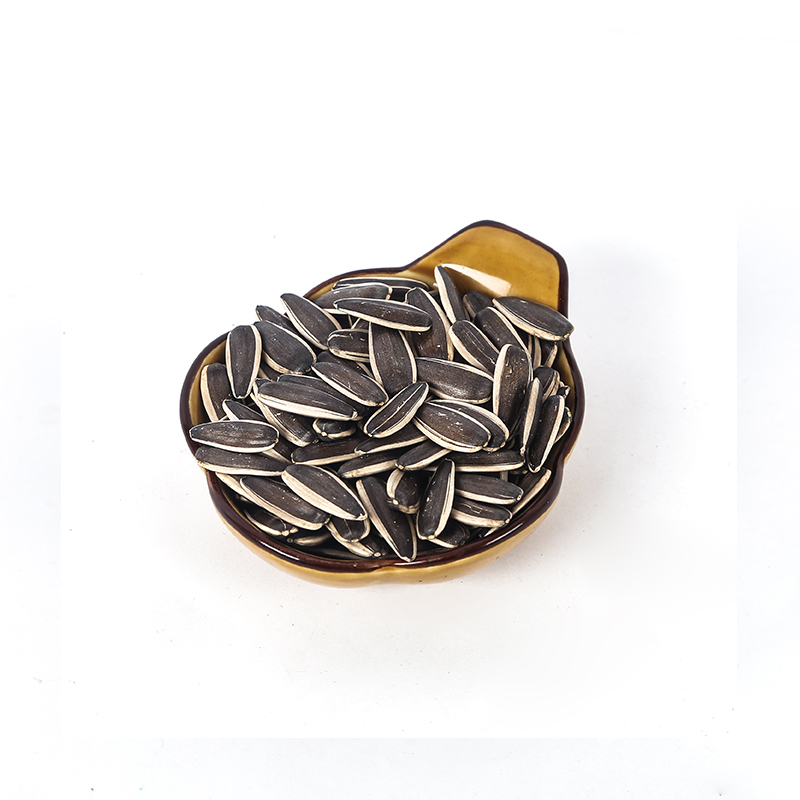
Sunflower seeds, Helianthus annuus, represent a significant commodity within the global food and agricultural sectors. The online market for sunflower seeds, particularly from manufacturers catering to bulk buyers and processing industries, has experienced substantial growth. This technical guide details the critical considerations for sourcing sunflower seeds, encompassing seed quality, processing parameters, storage requirements, and relevant industry standards. The technical position of sunflower seed manufacturers lies within the agricultural supply chain, functioning as a vital link between cultivators and downstream industries such as snack food production, oil extraction, and animal feed formulation. Core performance characteristics include oil content, protein levels, kernel size, and overall seed integrity, all of which directly influence the efficiency and quality of subsequent processing stages. Understanding these factors is crucial for procurement managers, quality control specialists, and process engineers involved in utilizing sunflower seeds as a raw material.
Material Science & Manufacturing
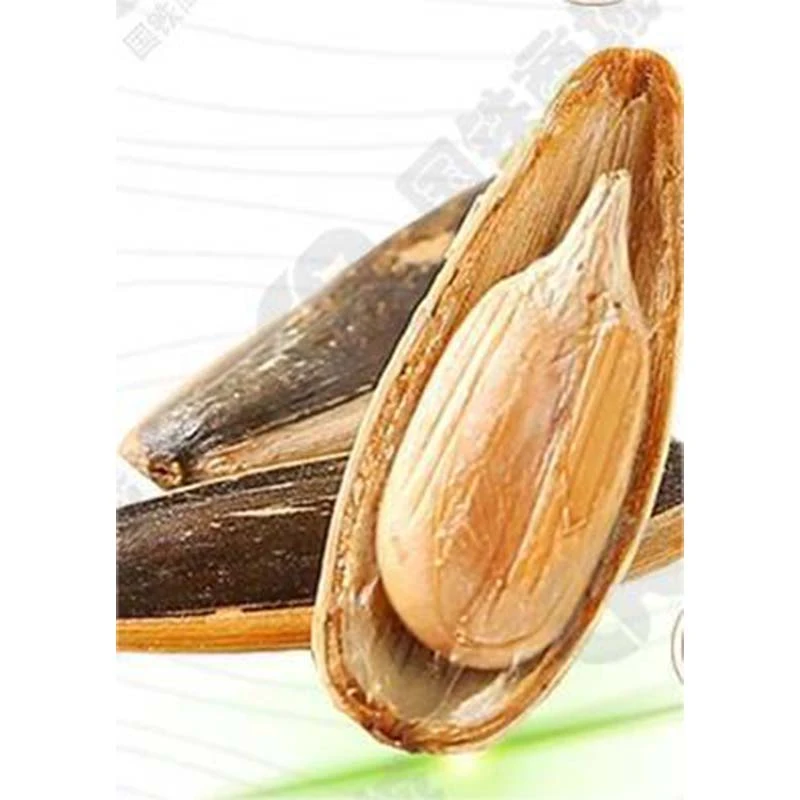
Sunflower seed composition is fundamentally governed by its botanical structure and genetic lineage. The seed consists of a hull (pericarp), kernel, and embryo. The hull, primarily composed of cellulose and lignin, provides physical protection. The kernel, the economically valuable portion, is rich in oil (typically 40-55% linoleic acid, 20-30% oleic acid), protein (18-25%), fiber, and various micronutrients. Seed varieties are broadly classified as oil-type (high linoleic acid) and confectionery-type (high oleic acid), influencing their intended applications. Manufacturing begins with harvesting, typically employing combine harvesters optimized for minimal seed damage. Post-harvest processing includes cleaning (removal of debris, stalks, and underdeveloped seeds using air separation and screening), drying (reduction of moisture content from ~10-12% to 8-9% to prevent mold growth and lipid oxidation – utilizing fluid bed dryers or static bin drying with aeration), dehulling (mechanical removal of the hull, often using rubber rollers or abrasive surfaces), and grading (size and density sorting). Critical parameters during drying include temperature (maintained below 45°C to preserve oil quality) and airflow rate. Dehulling efficiency is influenced by hull moisture content and roller pressure. Kernel breakage during dehulling impacts yield and quality; minimizing this requires careful machine calibration. Storage is paramount, employing temperature (below 15°C) and humidity control (below 65%) to inhibit rancidity and insect infestation. Aflatoxin contamination, a critical safety concern, is mitigated through proper harvesting, drying, and storage practices, alongside potential application of food-grade antifungal treatments.
Performance & Engineering
The performance of sunflower seeds in downstream applications is heavily influenced by their physical and chemical properties. Oil extraction efficiency, a key metric for oilseed processors, is directly correlated with kernel size and oil content. The application of force during oil pressing or solvent extraction requires understanding the kernel’s compressive strength and fracture toughness. Confectionery sunflower seeds necessitate stringent quality control regarding kernel size uniformity and absence of hull fragments. Snack food manufacturers focus on flavor profile, achieved through seasoning application, which requires assessing seed surface area and porosity for optimal adhesion. For animal feed, protein content and digestibility are crucial. Environmental resistance during storage relates to the seed’s susceptibility to moisture absorption and insect damage. Compliance requirements include adherence to food safety regulations (e.g., FDA, EFSA) regarding aflatoxin levels, pesticide residues, and heavy metal contamination. Engineering considerations involve designing processing equipment optimized for sunflower seed characteristics – hullers, dehullers, and oil presses must be calibrated to minimize kernel breakage and maximize yield. The moisture content of the seeds is a major factor in the efficiency of oil extraction and must be maintained within the specified range. Furthermore, the selection of appropriate packaging materials (e.g., moisture-barrier films) is critical for maintaining seed quality during transportation and storage.
Technical Specifications
| Parameter | Unit | Oil-Type Seeds | Confectionery-Type Seeds |
|---|---|---|---|
| Oil Content (Dry Basis) | % | 48-55 | 40-45 |
| Protein Content (Dry Basis) | % | 18-22 | 20-25 |
| Kernel Size (1000-Kernel Weight) | g | 50-65 | 65-80 |
| Moisture Content (at Delivery) | % | 8-9 | 8-9 |
| Hull Content (after Dehulling) | % | < 2 | <1 |
| Aflatoxin Level (B1) | ppb | < 20 | < 20 |
Failure Mode & Maintenance
Sunflower seeds are susceptible to several failure modes impacting quality and usability. Rancidity, caused by lipid oxidation, is a primary concern, leading to off-flavors and reduced nutritional value. This is accelerated by exposure to oxygen, light, and elevated temperatures. Insect infestation (e.g., storage mites, weevils) results in seed damage and contamination. Mold growth, particularly Aspergillus species, can produce aflatoxins, posing a serious health hazard. Physical damage during harvesting, processing, or transportation (kernel breakage, hull cracking) reduces quality and increases susceptibility to moisture absorption and pest attack. Degradation of oil quality over extended storage periods reduces its suitability for specific applications. Maintenance strategies include rigorous temperature and humidity control during storage, regular inspection for insect infestation and mold growth, and implementation of effective pest management programs. Proper cleaning and sanitation of processing equipment are essential to prevent contamination. Packaging should provide a moisture and oxygen barrier. Regular analysis of seed samples for oil quality (peroxide value, acid value) and aflatoxin levels is critical. Preventive maintenance on harvesting and processing equipment minimizes physical damage. Furthermore, proper ventilation during storage prevents localized heating and moisture buildup.
Industry FAQ
Q: What is the acceptable level of foreign material in a shipment of confectionery sunflower seeds?
A: The acceptable level of foreign material (FM) in confectionery sunflower seeds typically falls within 1-2%, as specified by industry standards. FM includes stems, leaves, dirt, stones, and other non-seed materials. However, zero tolerance is generally applied for glass, metal, or other hazardous contaminants.
Q: How is the oil content of sunflower seeds typically measured and what is the margin of error?
A: Oil content is commonly determined using the Soxhlet extraction method or near-infrared (NIR) spectroscopy. Soxhlet extraction is the reference method, providing accurate results but is time-consuming. NIR spectroscopy offers rapid analysis but requires calibration against Soxhlet data. The margin of error for both methods is typically ± 0.5-1% absolute.
Q: What are the implications of high free fatty acid (FFA) content in sunflower seeds?
A: High FFA content indicates lipid hydrolysis, suggesting degradation of the oil and potential rancidity. Elevated FFA levels reduce oil quality and may complicate downstream processing (e.g., soap formation during refining). It is often caused by improper storage conditions or delayed processing after harvest.
Q: What are the key considerations when specifying sunflower seed packaging for long-term storage?
A: Packaging should prioritize moisture barrier properties (using materials like multi-layer polyethylene or foil laminates) and oxygen impermeability. Seed bags should be constructed from food-grade materials and be securely sealed to prevent contamination. The packaging should also protect the seeds from physical damage during transport and handling.
Q: How does the variety of sunflower seed impact its suitability for different applications?
A: Oil-type sunflower seeds, with their high linoleic acid content, are predominantly used for oil extraction. Confectionery-type seeds, with a higher oleic acid content and larger kernel size, are preferred for direct consumption as snacks. High-oleic varieties also exhibit improved oxidative stability, making them suitable for frying applications. Choosing the correct variety is crucial for optimizing processing efficiency and end-product quality.
Conclusion
The sourcing and utilization of sunflower seeds require a nuanced understanding of their material science, manufacturing processes, and performance characteristics. Maintaining stringent quality control throughout the supply chain, from harvesting and drying to storage and processing, is paramount. Adherence to industry standards and proactive implementation of preventive maintenance strategies are essential for mitigating potential failure modes and ensuring product integrity.
The online market for sunflower seeds necessitates transparency regarding seed quality and origin. Future advancements in seed breeding and processing technologies will likely focus on enhancing oil content, improving kernel size uniformity, and increasing resistance to pests and diseases. Continuous monitoring of regulatory requirements and evolving consumer preferences will be crucial for success in this dynamic market.
