Introduction
Sunflower seeds, Helianthus annuus, represent a globally significant oilseed crop and direct human food source. The online export market for sunflower seeds is characterized by increasing volume, driven by demand from food manufacturers, confectionary producers, and the health food sector. This guide provides a comprehensive technical overview of sunflower seed quality, processing considerations, and best practices for international trade. The focus will be on parameters critical for successful long-term storage and maintaining premium grade specifications as demanded by B2B purchasers. Key performance indicators revolve around oil content, protein composition, moisture activity, and the absence of mycotoxins and foreign material. Understanding these factors is paramount to mitigate risks associated with spoilage, regulatory compliance, and customer rejection. This document details the scientific basis for quality control and logistical considerations for online exporters.
Material Science & Manufacturing
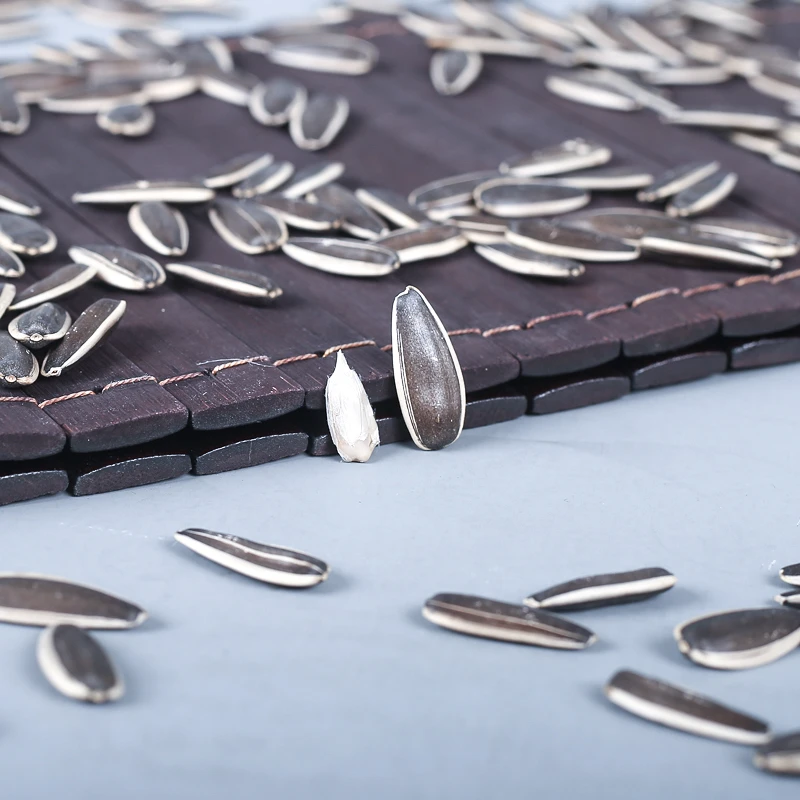
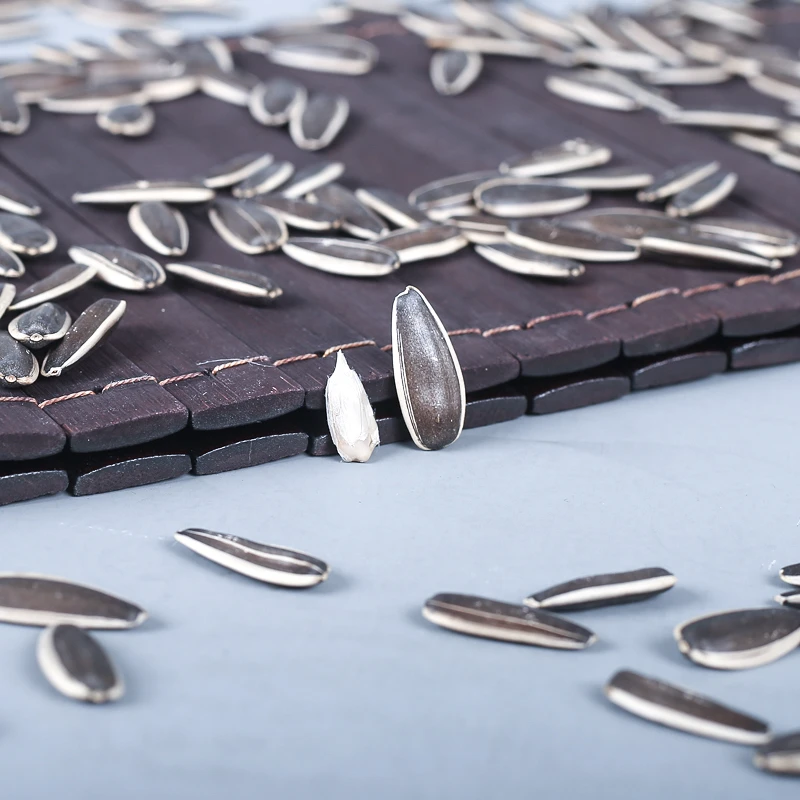
Sunflower seeds are fundamentally composed of three key components: the kernel (cotyledon), the hull (pericarp), and the embryo. The kernel constitutes approximately 58-68% of the seed’s weight and is rich in oil (42-58%), protein (18-25%), and fiber. The hull, providing structural protection, comprises 20-30% and is primarily cellulose and lignin. The embryo represents the remaining portion, crucial for propagation. Manufacturing processes for online export begin with harvesting, typically mechanical, followed by drying to reduce moisture content to 8-10%. This drying stage is critical. Forced-air drying is common, utilizing temperatures below 40°C to prevent protein denaturation and oil oxidation. Subsequent cleaning removes foreign materials (stalks, leaves, stones) using a combination of screens, air separation, and magnetic separators. Hulling, separating the kernel from the hull, is a critical step. Methods include mechanical dehulling (impact or friction) and chemical dehulling (less common due to residue concerns). The degree of hulling impacts both market acceptability (in-shell vs. kernel) and storage stability. Oil content is affected by variety (high-oleic, linoleic, mid-oleic), growing conditions (temperature, sunlight, water availability), and maturity at harvest. Kernel lipid composition is largely triglycerides, with linoleic acid being the dominant fatty acid in standard varieties, whereas high-oleic varieties have a significantly higher oleic acid content, improving oxidative stability. Processing parameter control focuses on maintaining low moisture, minimizing physical damage to the kernel, and preventing contamination.
Performance & Engineering
The performance of sunflower seeds is directly related to their ability to maintain quality during storage and transport. Moisture content is the dominant factor governing shelf life, influencing enzymatic activity, microbial growth, and lipid oxidation. Water activity (aw), typically maintained below 0.65, is a more accurate predictor of spoilage than moisture content alone. Packaging plays a crucial role in controlling moisture migration and oxygen ingress. Gas-tight packaging utilizing modified atmosphere packaging (MAP) – reducing oxygen levels and increasing carbon dioxide – significantly extends shelf life. Mechanical strength of the kernel is important for handling and transportation; brittle kernels are prone to breakage, increasing susceptibility to rancidity. Force analysis during handling (dropping, vibration) dictates packaging material selection and cushioning requirements. Environmental resistance concerns include temperature fluctuations, humidity, and pest infestation. Maintaining consistent temperature control during transport is vital, ideally below 25°C. Compliance requirements vary by destination country. The EU, for example, enforces strict regulations regarding mycotoxin levels (aflatoxins, ochratoxin A), pesticide residues, and heavy metal contamination. The US FDA has similar regulations. Proper documentation – certificates of analysis, origin certification, and pesticide residue reports – is essential for smooth customs clearance. Functional implementation (e.g., oil extraction efficiency for industrial buyers) is tied directly to kernel oil content and kernel soundness.
Technical Specifications
| Parameter | Unit | Standard Grade (Kernel) | Premium Grade (Kernel) |
|---|---|---|---|
| Oil Content (Dry Basis) | % | 48-52 | 53-58 |
| Moisture Content | % | ≤ 10.0 | ≤ 8.0 |
| Broken Kernels | % | ≤ 5.0 | ≤ 2.0 |
| Foreign Material | % | ≤ 1.0 | ≤ 0.5 |
| Hull Content (if hulled) | % | ≤ 5.0 | ≤ 2.0 |
| Free Fatty Acids (FFA) | % (oleic acid basis) | ≤ 1.0 | ≤ 0.5 |
Failure Mode & Maintenance
Sunflower seeds are susceptible to several failure modes during storage and transport. Lipid oxidation, leading to rancidity, is a primary concern, accelerated by high temperatures, oxygen exposure, and the presence of metal ions. This is evidenced by an increase in FFA and the development of off-flavors. Microbial spoilage, particularly by molds (e.g., Aspergillus spp.), can result in mycotoxin contamination (aflatoxins being the most significant). This is favored by high moisture content and warm temperatures. Insect infestation (e.g., storage beetles) causes physical damage and reduces seed quality. Physical damage, such as cracking or chipping, increases surface area for oxidation and provides entry points for microorganisms. Maintenance strategies center around preventative measures. Proper drying, hermetic sealing, controlled atmosphere storage (MAP), and regular monitoring for moisture content, temperature, and insect activity are crucial. Treatment with food-grade anti-oxidants (e.g., tocopherols) can inhibit lipid oxidation. For bulk storage, aeration systems can help maintain uniform temperature and moisture levels. If spoilage is detected, rigorous testing for mycotoxins is necessary, and affected batches should be segregated or rejected. Appropriate packaging material – multi-layer films with oxygen and moisture barriers – is paramount in minimizing degradation during transit.
Industry FAQ
Q: What is the acceptable level of aflatoxin in sunflower seeds for export to the European Union?
A: The European Union (EU) sets a maximum permissible level of total aflatoxins at 2.0 parts per billion (ppb) for sunflower seeds intended for direct human consumption, as regulated by Commission Regulation (EC) No 1881/2006. Regular testing and certification are required to demonstrate compliance.
Q: How does kernel size affect the oil yield during extraction?
A: Generally, larger kernels tend to have a higher oil content than smaller kernels. However, the correlation isn’t absolute and depends heavily on the sunflower variety. A consistent kernel size distribution within a batch is more critical for efficient oil extraction, ensuring uniform processing and minimizing fines (small particles) that reduce yield.
Q: What packaging materials are recommended for long-term storage (over 6 months) of hulled sunflower kernels?
A: For long-term storage, multi-layer packaging films incorporating an aluminum foil layer and a polyethylene (PE) inner layer are recommended. These materials provide excellent barriers against oxygen, moisture, and light. Modified atmosphere packaging (MAP), flushing with nitrogen or carbon dioxide, further enhances preservation.
Q: What are the key differences between high-oleic and linoleic sunflower seeds regarding shelf life and oxidation stability?
A: High-oleic sunflower seeds contain a significantly higher proportion of oleic acid (typically >70%) compared to linoleic seeds (typically around 60% linoleic acid). Oleic acid is more resistant to oxidation than linoleic acid, resulting in a substantially longer shelf life and improved resistance to rancidity in high-oleic varieties.
Q: What quality control measures should be implemented during the drying process to prevent cracking and maintain oil quality?
A: Controlling the drying temperature is paramount; it should not exceed 40°C to prevent protein denaturation and oil oxidation. Proper airflow distribution is essential for uniform drying. Monitoring moisture content frequently and avoiding abrupt temperature changes are also critical. Gentle handling during loading and unloading is necessary to minimize mechanical damage.
Conclusion
Sunflower seed export demands meticulous attention to detail, spanning from pre-harvest agronomic practices to post-harvest handling and packaging. Maintaining optimal moisture content, protecting against lipid oxidation and microbial contamination, and adhering to stringent regulatory requirements are essential for ensuring product quality and customer satisfaction. The selection of appropriate packaging materials and the implementation of robust quality control procedures are not merely optional – they are fundamental to mitigating risks and establishing a successful B2B export business.
Looking forward, advancements in seed breeding focused on enhancing oil content, improving oxidative stability, and increasing disease resistance will further elevate the value proposition of sunflower seeds in the global market. Investing in precision drying technologies and implementing real-time monitoring systems for storage conditions will be crucial for maintaining premium quality and extending shelf life. Continued adherence to international standards and proactive adaptation to evolving regulatory landscapes will be essential for sustaining long-term success in the competitive sunflower seed export industry.
