Introduction
Sunflower seeds, Helianthus annuus, represent a significant commodity in the global agricultural market, primarily utilized for edible oil production, confectionery applications, and increasingly, as a protein source. Bulk supply of sunflower seeds caters to a diverse industrial clientele, encompassing oil extraction facilities, snack food manufacturers, animal feed producers, and emerging biofuel industries. The technical considerations governing bulk sunflower seed quality extend beyond simple moisture content and include assessments of oil yield, protein composition, fatty acid profile, levels of potentially harmful compounds like cadmium and aflatoxins, and physical characteristics impacting processing efficiency. This guide provides an in-depth technical overview for procurement managers, quality control engineers, and supply chain professionals involved in sourcing sunflower seeds in bulk, addressing critical parameters impacting product performance and long-term storage stability. A key industry pain point is ensuring consistent seed quality across large-volume purchases, mitigating risks associated with variable harvest conditions and geographical origins. Another challenge is adhering to stringent international food safety regulations and traceability requirements.
Material Science & Manufacturing
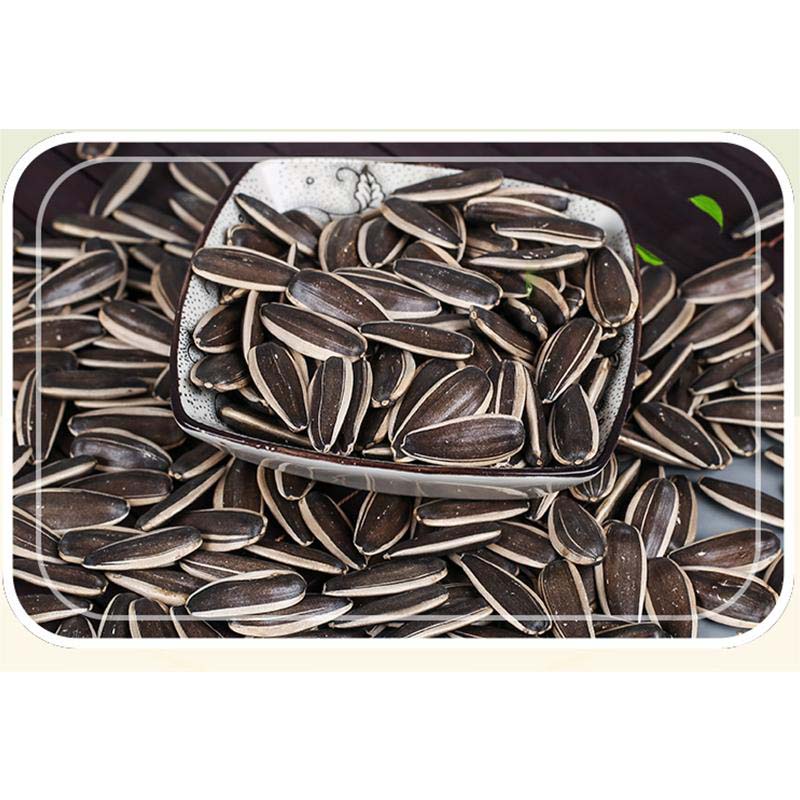
Sunflower seeds are fundamentally biological materials exhibiting complex chemical and physical properties. The seed consists of a hull (pericarp), kernel (cotyledons), and embryo. The hull comprises cellulose, hemicellulose, and lignin, providing structural integrity. Kernel composition is dominated by lipids (35-55%), proteins (20-30%), carbohydrates (10-20%), and minor components like vitamins, minerals, and phenolic compounds. Lipid composition dictates oil quality; linoleic acid (omega-6) is typically the predominant fatty acid, with varying proportions of oleic acid (omega-9) depending on the sunflower variety. Manufacturing processes begin with field cultivation and harvesting. Mechanical harvesting introduces impurities like stems, leaves, and soil. Subsequent cleaning and drying processes are critical. Drying reduces moisture content to prevent fungal growth and enzymatic degradation. This is typically achieved using forced-air drying, with temperature control vital to prevent protein denaturation and oil oxidation. Dehulling, often employed for confectionery seeds, involves mechanical abrasion. Oil extraction utilizes solvent extraction (typically hexane) or mechanical pressing. The solvent extraction process requires rigorous solvent removal to meet food safety standards. Key parameter control during manufacturing includes moisture content (below 9% for storage), kernel damage (minimizing cracking and breakage), and foreign material content (less than 1% by weight). Seed varieties are categorized by oil content (high oleic, mid-oleic, linoleic) which directly influences oil stability and suitability for specific applications.
Performance & Engineering
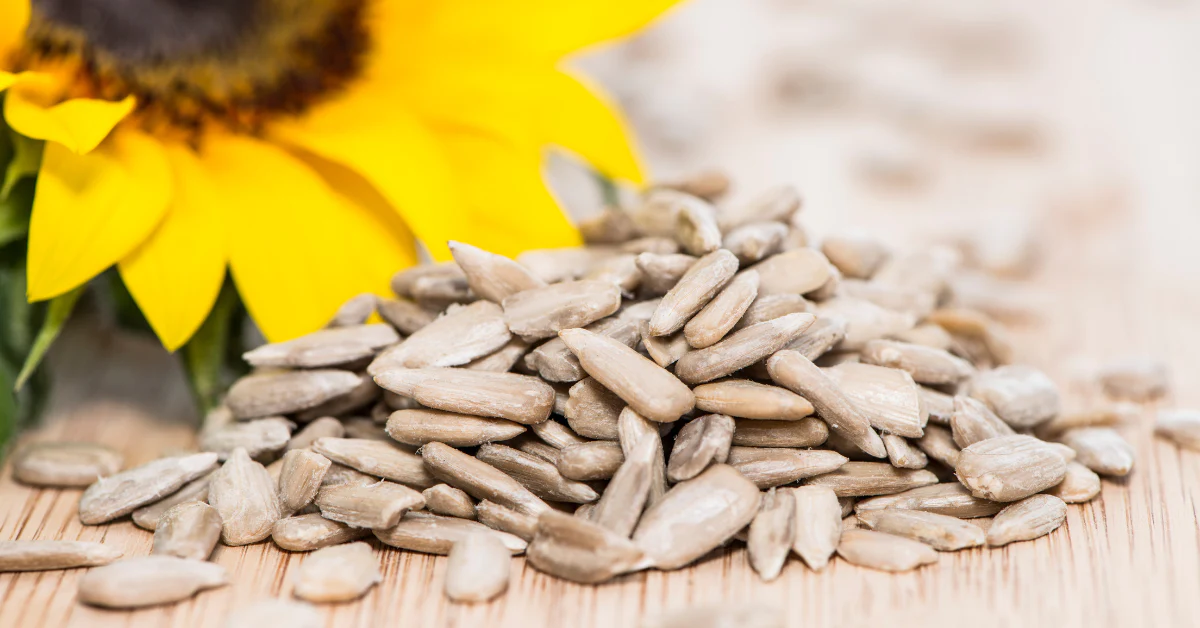
Performance of sunflower seeds as an industrial input is fundamentally tied to their chemical and physical properties. Oil yield is a primary performance metric, influenced by seed variety, maturity at harvest, and processing efficiency. Oil yield is determined through Soxhlet extraction or near-infrared spectroscopy (NIRS). Protein content impacts its suitability for animal feed and emerging protein isolate applications. Shear force analysis is used to assess hull strength, important for efficient dehulling. Moisture content critically affects storage stability and susceptibility to fungal contamination. Water activity (aw), a more precise measure than moisture content, determines microbial growth potential. Environmental resistance is crucial during storage and transportation. Exposure to high temperatures and humidity accelerates lipid oxidation and the formation of harmful compounds like peroxides. Packaging materials must provide a barrier to moisture, oxygen, and light. Compliance requirements include adherence to food safety regulations (e.g., FDA in the US, EFSA in Europe), maximum residue limits (MRLs) for pesticides, and heavy metal limits (cadmium, lead). Traceability systems, employing lot numbers and origin tracking, are essential for quality control and rapid recall procedures. Force analysis during processing (dehulling, pressing) informs equipment design and optimization to minimize seed damage and maximize product recovery.
Technical Specifications
| Parameter | Unit | Typical Range (Confectionery) | Typical Range (Oilseed) |
|---|---|---|---|
| Oil Content (Dry Basis) | % | 40-48 | 42-58 |
| Protein Content (Dry Basis) | % | 20-26 | 18-24 |
| Moisture Content | % | < 9.0 | < 9.0 |
| Kernel Size (Diameter) | mm | 10-14 | 8-12 |
| Hull Content | % | 5-15 | 20-30 |
| Free Fatty Acids (FFA) | % (as oleic acid) | <0.5 | <1.0 |
Failure Mode & Maintenance
Sunflower seeds are susceptible to several failure modes during storage and processing. Lipid oxidation is a primary concern, leading to rancidity, decreased oil quality, and the formation of harmful aldehydes and ketones. This is accelerated by high temperatures, oxygen exposure, and the presence of metal ions. Fungal contamination, particularly by Aspergillus species, can result in aflatoxin production, a potent carcinogen. This is favored by high moisture content and inadequate storage conditions. Physical damage (cracking, breakage) during handling and processing reduces oil yield and increases dust formation, posing a fire hazard. Insect infestation can lead to significant losses and contamination. Maintenance strategies include proper storage in cool, dry, and well-ventilated facilities. Regular monitoring of moisture content, temperature, and CO2 levels can detect early signs of spoilage. Insect traps and fumigation can control insect populations. Implementing a first-in, first-out (FIFO) inventory management system minimizes storage duration. Antioxidant addition (e.g., vitamin E) can retard lipid oxidation. Regular cleaning of processing equipment prevents cross-contamination and minimizes fungal growth. Properly sealed packaging is critical to prevent moisture ingress and oxygen exposure. Failure analysis should involve microscopic examination to identify fungal growth or insect damage, gas chromatography-mass spectrometry (GC-MS) to assess lipid oxidation products, and ELISA testing to quantify aflatoxin levels.
Industry FAQ
Q: What is the acceptable level of aflatoxin in bulk sunflower seeds destined for human consumption?
A: Regulatory limits for aflatoxin vary by country. The US FDA stipulates a maximum of 20 parts per billion (ppb) for total aflatoxins. The European Union (EU) has a maximum limit of 2.5 ppb for total aflatoxins in sunflower seeds. Compliance with the importing country’s regulations is paramount, and regular testing using ELISA or HPLC is essential.
Q: How does the oil type (high oleic vs. linoleic) impact storage stability?
A: High oleic sunflower oil is significantly more stable than linoleic sunflower oil due to the presence of a single unsaturated bond in oleic acid, making it less susceptible to oxidation. Seeds with a high oleic acid content will exhibit longer shelf life and require less antioxidant protection during storage.
Q: What is the significance of kernel moisture content for long-term storage?
A: Kernel moisture content must be maintained below 9.0% to inhibit fungal growth and enzymatic activity. Higher moisture content accelerates deterioration and increases the risk of aflatoxin contamination. Drying to this level, followed by proper storage in moisture-barrier packaging, is crucial for preserving seed quality.
Q: What analytical methods are used to determine oil yield in bulk sunflower seeds?
A: The most common method is Soxhlet extraction, which provides a precise measurement of oil content. Near-infrared spectroscopy (NIRS) is a rapid, non-destructive alternative, but requires calibration against reference methods like Soxhlet extraction. Both methods provide gravimetric data based on the difference in weight before and after oil extraction.
Q: How important is traceability in the sunflower seed supply chain, and what systems are typically employed?
A: Traceability is critically important for food safety and quality control. It allows for rapid identification and recall of contaminated products. Systems typically employed include lot numbering, origin tracking (farm location), and documentation of all handling and processing steps. Blockchain technology is increasingly being used to enhance transparency and security in the supply chain.
Conclusion
The bulk sunflower seed market demands a sophisticated understanding of the interplay between seed biology, processing technology, and regulatory compliance. Maintaining consistent quality, minimizing spoilage, and ensuring food safety are paramount concerns for industrial purchasers. Rigorous quality control measures, encompassing moisture content monitoring, aflatoxin testing, oil content analysis, and adherence to international standards, are essential for mitigating risks and optimizing performance.
Future trends will likely focus on enhancing seed varieties for improved oil stability, increased protein content, and greater resistance to disease. Sustainable sourcing practices, minimizing environmental impact, and promoting fair trade will also gain prominence. The development of advanced analytical technologies, such as hyperspectral imaging and rapid microbial detection, will further enhance quality control and traceability within the sunflower seed supply chain.
