Introduction
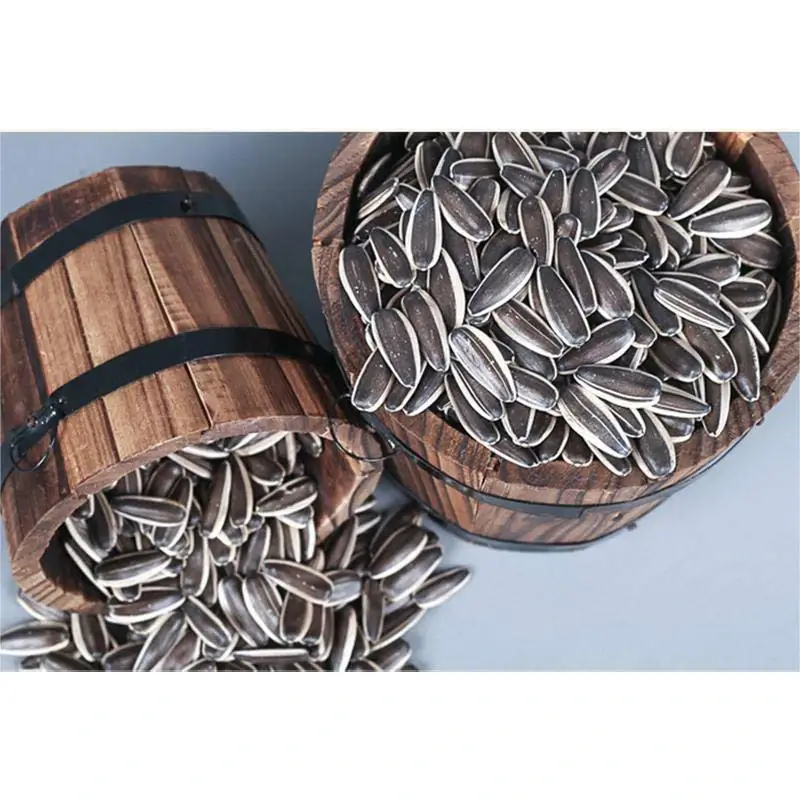
Sunflower seeds, in bulk quantities, represent a significant commodity within the agricultural and food processing industries. This guide focuses on the technical aspects of bulk sunflower seed handling, quality control, storage, and the critical parameters defining their commercial value. Sunflower seeds ( Helianthus annuus ) are categorized broadly into oilseed varieties (high in oil content, typically 40-50%) and confectionary varieties (larger kernel size, often hulled for direct consumption). The bulk handling of these seeds presents unique challenges related to maintaining seed viability, preventing oxidation, and controlling contamination. Understanding the nuanced physical and chemical properties of sunflower seeds is paramount for processors, distributors, and end-users. This document details these characteristics, providing a comprehensive technical overview for industry professionals. The market is driven by demand for sunflower oil, birdseed, snack foods, and increasingly, ingredients in protein-rich products. Maintaining consistent quality within large-scale bulk operations is the primary concern, demanding stringent adherence to established standards and best practices. A key pain point in the industry is managing the moisture content of bulk shipments to prevent aflatoxin development and maintain kernel integrity.
Material Science & Manufacturing
Sunflower seeds are primarily composed of a kernel (cotyledon) enclosed within a hull (pericarp). The kernel comprises approximately 50-60% oil, 20-25% protein, and 10-15% carbohydrates. The hull constitutes around 20-30% of the seed’s total weight and consists mainly of cellulose, hemicellulose, and lignin. Oil composition is predominantly linoleic acid (around 60-70%), oleic acid (20-30%), and palmitic acid (5-10%). Manufacturing begins with harvesting, typically via combine harvesters, where seed moisture content is critical—ideally between 8-12% to minimize shattering and maximize kernel integrity. Post-harvest processing involves cleaning to remove debris (chaff, stems, leaves), drying to achieve optimal storage moisture levels (typically 7-8% for long-term storage), dehulling (for confectionary seeds), and sizing/grading based on kernel size and quality. Drying is commonly achieved using forced-air systems, controlling temperature and airflow to avoid heat damage to the oil. Dehulling utilizes mechanical abrasion or impact, followed by air separation. Seed conditioning (polishing) improves the appearance of confectionary seeds. Parameter control during drying is crucial; excessive temperatures (>60°C) can lead to oil rancidity and protein denaturation. Hulling efficiency impacts yield and requires precise calibration of machinery based on seed variety. Chemical composition varies significantly between oilseed and confectionary types, influencing processing parameters and final product characteristics. The presence of waxes on the hull surface can affect dehulling efficiency and oil extraction rates.

Performance & Engineering
The performance of bulk sunflower seeds is governed by factors impacting their structural integrity, oil stability, and susceptibility to degradation. Force analysis is particularly relevant during handling and transportation; seeds must withstand impact and abrasion without significant kernel breakage. Hull strength influences this resistance. Environmental resistance is paramount; moisture absorption leads to increased respiration rates, accelerating oil oxidation and potential aflatoxin contamination. Temperature fluctuations exacerbate these effects. Storage silos and bulk bags must provide adequate protection against humidity, pests, and extreme temperatures. Compliance requirements dictate maximum allowable levels of aflatoxins (typically <20 ppb), pesticides, and heavy metals. The European Food Safety Authority (EFSA) and the US Food and Drug Administration (FDA) have stringent regulations regarding these contaminants. Functional implementation – particularly for oil extraction – relies on efficient kernel separation from the hull. This involves optimizing dehulling processes and minimizing fines (broken kernel fragments). Seed density variations affect separation efficiency during grading and processing. Seed viability, crucial for birdseed applications, is affected by storage conditions and seed age. Maintaining a stable supply chain requires robust logistical engineering to minimize transit times and maintain temperature control throughout distribution. A significant engineering challenge is designing ventilation systems for bulk storage to prevent localized heating and moisture buildup.
Technical Specifications
| Parameter | Oilseed Variety | Confectionary Variety | Unit |
|---|---|---|---|
| Moisture Content | 7-8% | 7-8% | % |
| Oil Content (Dry Basis) | 48-55% | 38-45% | % |
| Kernel Size (Screen Size) | 16/64 inch | 18/64 - 20/64 inch | inch |
| Hull Percentage | 28-35% | 20-25% | % |
| Free Fatty Acid (FFA) | <1.0% | <0.5% | % |
| Aflatoxin Levels (B1, B2, G1, G2) | <20 ppb (Total) | <20 ppb (Total) | ppb |
Failure Mode & Maintenance
Sunflower seeds in bulk storage are susceptible to several failure modes. Aflatoxin contamination, caused by Aspergillus flavus and Aspergillus parasiticus, is a primary concern, developing under conditions of high moisture and temperature. This results in seed rejection and significant economic losses. Oxidative rancidity, driven by enzymatic and non-enzymatic lipid oxidation, degrades oil quality, impacting flavor and nutritional value. This is accelerated by exposure to oxygen, light, and elevated temperatures. Physical damage (cracking, chipping) during handling and transportation reduces seed quality and increases susceptibility to insect infestation. Insect infestation (e.g., storage beetles) can lead to significant seed loss and contamination. Delamination of the kernel from the hull reduces processing efficiency and quality. Maintenance solutions include implementing robust temperature and humidity control systems in storage facilities, utilizing aeration techniques to prevent moisture buildup, regular pest control programs, and ensuring proper seed drying prior to storage. Periodic monitoring of seed quality (moisture content, oil content, FFA, aflatoxin levels) is crucial for early detection of degradation. Preventative maintenance of handling and processing equipment minimizes physical damage. Proper sanitation practices prevent the introduction of contaminants. Implementing a “First-In, First-Out” (FIFO) inventory management system minimizes storage duration and reduces the risk of degradation. Regular inspection of storage structures for leaks or breaches in containment is also essential.
Industry FAQ
Q: What is the optimal moisture content range for long-term storage of bulk sunflower seeds?
A: The optimal moisture content range for long-term storage is 7-8%. Maintaining this range minimizes respiration rates, prevents fungal growth (and thus aflatoxin development), and preserves oil quality. Deviations outside this range significantly increase the risk of spoilage and quality degradation.
Q: How do I mitigate the risk of aflatoxin contamination in a bulk storage facility?
A: Aflatoxin mitigation requires a multi-faceted approach: strict moisture control (7-8%), temperature management (below 25°C), effective pest control, regular sanitation, and periodic testing for aflatoxin levels. Proper aeration to prevent moisture pockets is crucial.
Q: What are the key differences in handling oilseed versus confectionary sunflower seeds?
A: Oilseed varieties prioritize oil content and are typically stored with a focus on preventing oil oxidation. Confectionary seeds require more careful handling to minimize kernel damage, maintaining their visual appeal and structural integrity for direct consumption. Dehulling processes differ significantly.
Q: What is the impact of seed density variations on processing efficiency?
A: Variations in seed density can affect the efficiency of separation processes (dehulling, grading, sorting). Consistent seed density facilitates smoother and more accurate processing, reducing waste and improving product quality. Density variations often correlate with kernel maturity and moisture content.
Q: How does temperature fluctuation affect sunflower seed quality during bulk storage?
A: Temperature fluctuations accelerate moisture condensation and evaporation, creating favorable conditions for fungal growth and insect activity. Temperature swings also promote oil oxidation and degradation of proteins. Maintaining a consistently cool and dry storage environment is critical for preserving seed quality.
Conclusion
Bulk sunflower seed handling necessitates a thorough understanding of the seeds' material science, manufacturing processes, and inherent vulnerabilities. Maintaining optimal moisture content, controlling temperature, and implementing robust pest management strategies are paramount for preventing aflatoxin contamination and preserving oil quality. Effective logistical engineering and adherence to stringent industry standards are crucial for delivering a consistent, high-quality product to end-users.
Looking ahead, advancements in sensor technology and data analytics offer opportunities for real-time monitoring of storage conditions and predictive modeling of seed degradation. Developing more resilient seed varieties with improved resistance to fungal growth and insect infestation will also be a key focus. Continued research into novel storage techniques, such as modified atmosphere packaging, holds promise for extending shelf life and minimizing losses throughout the supply chain.
