Introduction
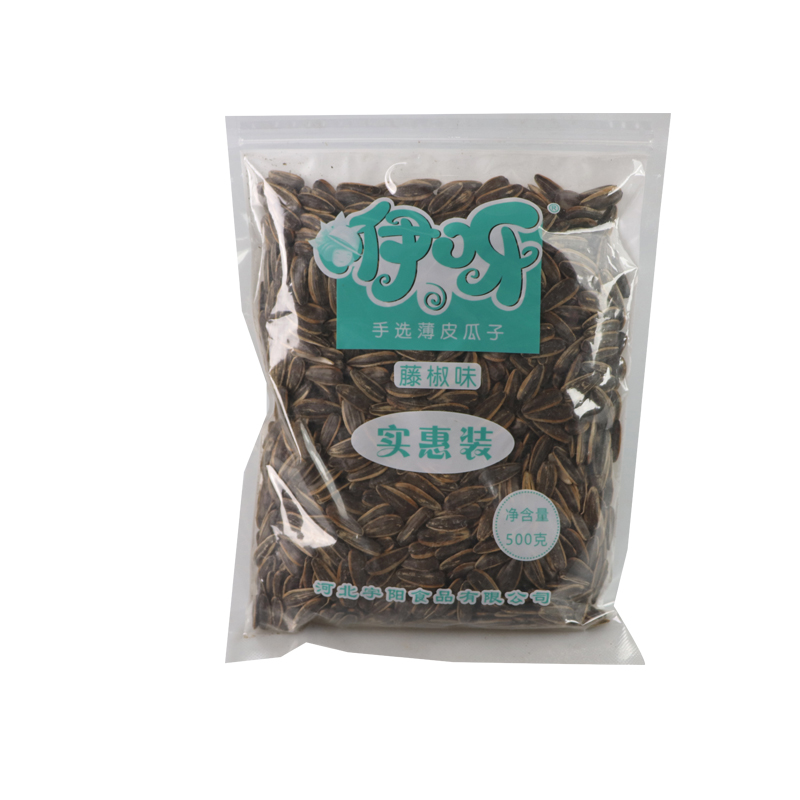
Sunflower seeds, in bulk commodity form, represent a significant agricultural product within the global food and oilseed industry. This guide provides a comprehensive technical overview of sunflower seeds as a bulk commodity, addressing aspects ranging from seed composition and processing to quality control and storage. Sunflower seeds ( Helianthus annuus ) are categorized primarily based on their oil content (high-oleic, mid-oleic, linoleic) and hull characteristics (oil-type, confectionery-type). The technical position within the supply chain is pivotal, bridging agricultural production with food processing, animal feed manufacturing, and increasingly, biofuel production. Core performance characteristics revolve around oil yield, protein content, fatty acid profile, moisture content, and freedom from contaminants like mycotoxins and foreign materials. Understanding these parameters is critical for buyers and processors to ensure consistent product quality and efficient downstream processing.
Material Science & Manufacturing
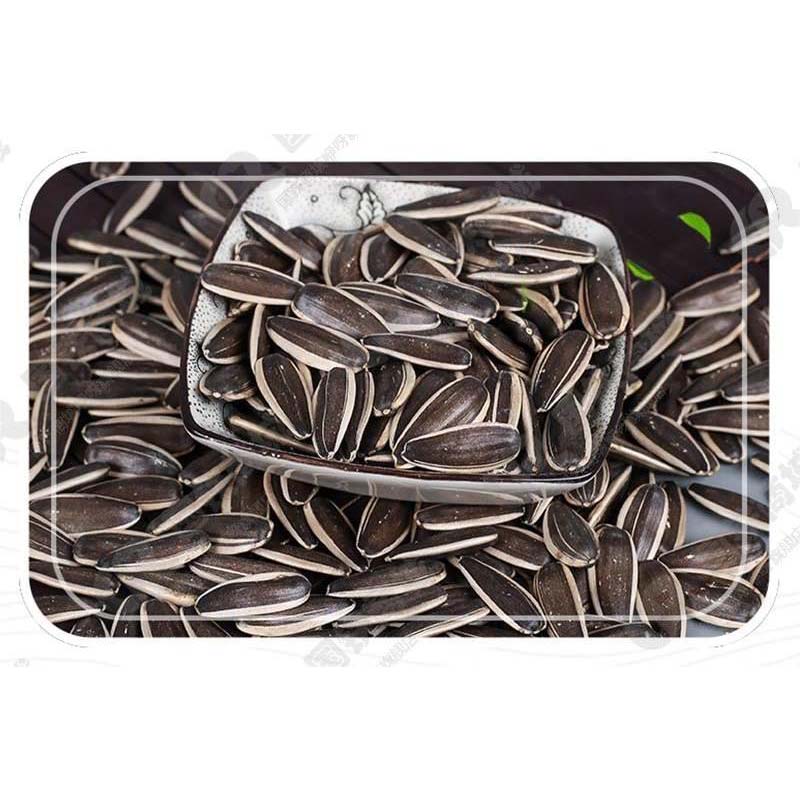
Sunflower seeds are composed of approximately 35-55% oil, 20-25% protein, 15-20% hull (dependent on seed type), and 5-10% moisture. The oil primarily consists of triglycerides, with linoleic, oleic, and palmitic acids being the predominant fatty acids. The protein fraction is rich in essential amino acids. The hull, a structural component, is primarily cellulose and lignin. Manufacturing begins with agricultural cultivation, impacting seed quality through factors like genetics, climate, and fertilization practices. Harvesting involves mechanical combine operations, and initial cleaning removes chaff and other debris. Crucially, seed moisture content at harvest significantly influences storage stability – optimal moisture is around 8-10%. Post-harvest processing includes drying, de-hulling (for confectionery seeds), sizing, and sorting. Drying utilizes controlled-temperature airflow to reduce moisture, preventing mold growth and preserving oil quality. De-hulling, a mechanical process, separates the kernel from the hull. Parameter control during de-hulling is vital to minimize kernel damage and maximize oil yield. Seed grading based on size and density is performed using screens and air separators. Quality control throughout the process relies heavily on analytical techniques such as near-infrared (NIR) spectroscopy for oil and moisture content assessment, and chromatographic analysis for fatty acid profiling.
Performance & Engineering
Performance evaluation centers on oil extraction efficiency and oil quality. The oil content, expressed as a percentage of seed weight, dictates the economic viability of processing. Oil extraction is typically achieved through mechanical pressing (expelling) or solvent extraction (hexane). Engineering considerations involve optimizing press design (screw press configuration, pressure control) to maximize oil yield and minimize kernel damage. Solvent extraction requires careful control of solvent-to-seed ratios, temperature, and residence time to ensure complete oil recovery and residual solvent levels comply with regulatory limits (typically <1 ppm). Environmental resistance is important in storage - seeds are susceptible to oxidation, rancidity, and insect infestation. Controlled atmosphere storage (modified atmosphere packaging with nitrogen) can slow these degradation processes. Compliance requirements include adherence to food safety regulations (e.g., HACCP, GMP), pesticide residue limits (established by organizations like the EPA), and mycotoxin limits (aflatoxins, ochratoxins) as defined by national and international food safety authorities. Furthermore, the physical strength of the seed (resistance to cracking and breakage during handling and processing) impacts overall efficiency and minimizes dust generation.
Technical Specifications
| Parameter | Unit | Oil-Type Seeds | Confectionery-Type Seeds |
|---|---|---|---|
| Oil Content (Dry Basis) | % | 48-58 | 38-48 |
| Moisture Content (at receipt) | % | ≤ 9.0 | ≤ 8.5 |
| Foreign Matter | % | ≤ 1.0 | ≤ 0.5 |
| Broken Kernels / Damaged Seeds | % | ≤ 3.0 | ≤ 2.0 |
| Free Fatty Acids (FFA) | % (oleic acid) | ≤ 1.0 | ≤ 0.8 |
| Peroxide Value | meq O2/kg | ≤ 5.0 | ≤ 4.0 |
Failure Mode & Maintenance
Sunflower seeds are susceptible to several failure modes. Oxidative rancidity, driven by unsaturated fatty acids, is a primary concern, leading to off-flavors and reduced oil quality. This is accelerated by elevated temperatures and exposure to oxygen. Insect infestation (e.g., storage mites, weevils) can cause significant weight loss and contamination. Mechanical damage during harvesting, handling, and processing results in broken kernels, increasing surface area for oxidation and providing entry points for pests. Mycotoxin contamination, particularly by aflatoxins produced by Aspergillus species, poses a serious health risk. Maintenance of proper storage conditions is crucial: maintaining low temperature (<25°C), low moisture content (<9%), and minimizing oxygen exposure. Regular monitoring for insect activity and mycotoxin levels is essential. Preventative measures include proper cleaning and sanitation of storage facilities, the use of insecticidal treatments (following regulatory guidelines), and implementation of a robust quality control program. For long-term storage, controlled atmosphere storage with nitrogen or carbon dioxide can significantly extend shelf life. Finally, proper stock rotation (FIFO – First In, First Out) is critical to prevent prolonged storage and degradation.
Industry FAQ
Q: What is the significance of the K-value in assessing sunflower oil quality?
A: The K-value measures the degree of oil deterioration due to polymerization and oxidation during heating. A higher K-value indicates greater degradation, making it a critical parameter for assessing the suitability of the oil for high-temperature applications like frying. It's determined by measuring the viscosity of the oil after a standardized heating period.
Q: How do different sunflower seed varieties impact oil stability?
A: High-oleic sunflower seed varieties contain a significantly higher proportion of oleic acid (a monounsaturated fatty acid) compared to linoleic sunflower seeds. Oleic acid is more resistant to oxidation, resulting in improved oil stability and a longer shelf life. Mid-oleic varieties offer a balance between stability and nutritional profile.
Q: What are the critical control points for preventing aflatoxin contamination?
A: Critical control points include pre-harvest management (minimizing insect damage in the field), proper drying of seeds to reduce moisture content, thorough cleaning to remove contaminated kernels, and appropriate storage conditions (low temperature and humidity). Regular testing for aflatoxins is also crucial.
Q: What are the implications of varying hull percentages in different seed types?
A: Higher hull percentages decrease the oil yield per unit weight of seed. Confectionery seeds, with their thinner hulls, yield a greater percentage of kernel and thus oil. However, hulls provide fiber and can be utilized in animal feed applications.
Q: How does the presence of gossypol in sunflower seeds affect their usability?
A: Gossypol is a pigment found in cottonseed but can sometimes be present in trace amounts in sunflower seeds due to cross-pollination. While generally present at non-toxic levels, higher concentrations can impart a greenish tint to the oil and potentially affect its flavor. Strict quality control measures are employed to ensure gossypol levels remain within acceptable limits.
Conclusion
Sunflower seeds, as a bulk commodity, present a complex interplay of agricultural, chemical, and engineering considerations. Maintaining quality throughout the supply chain – from cultivation to storage – demands rigorous control over moisture content, temperature, and potential contaminants. Understanding the nuances of seed composition, particularly the fatty acid profile and oil content, is critical for optimizing processing efficiency and ensuring the final product meets specific application requirements.
Future trends in the sunflower seed industry include the development of improved seed varieties with enhanced oil content, improved disease resistance, and increased tolerance to environmental stresses. Advancements in processing technologies, such as supercritical fluid extraction, offer potential for more efficient and sustainable oil recovery. Continued focus on quality control, traceability, and adherence to stringent food safety regulations will remain paramount to ensuring the long-term viability and global acceptance of sunflower seeds as a valuable agricultural resource.
