
Introduction
Sunflower seeds, Helianthus annuus, are a globally significant oilseed crop and food source. Bulk manufacturing caters primarily to the food processing industry (snack foods, baking, confectionery), animal feed production, and the oil extraction sector. This guide details the technical considerations inherent in the bulk production of sunflower seeds, covering material science, manufacturing processes, quality control, potential failure modes, and relevant industry standards. Core performance aspects include oil content, kernel size uniformity, moisture content, and freedom from contaminants. The industry faces persistent challenges regarding aflatoxin control, seed dormancy management impacting germination rates for confectionary varieties, and maintaining consistent quality across large volumes. Successful bulk manufacturing demands a deep understanding of seed physiology, mechanical handling principles, and adherence to stringent hygiene protocols.
Material Science & Manufacturing
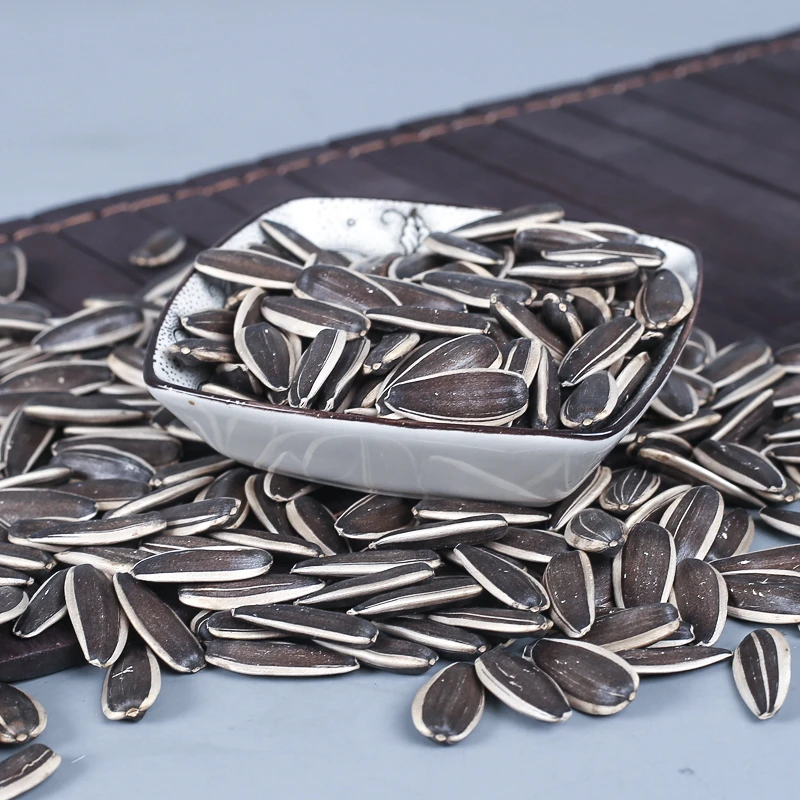
Sunflower seeds exhibit a complex material structure. The pericarp (seed coat) is primarily composed of cellulose, hemicellulose, and lignin, providing a protective barrier. The kernel comprises primarily oil (40-55% depending on variety) consisting of linoleic, oleic, and palmitic acids, with protein (18-25%), carbohydrates, and trace minerals. Manufacturing begins with harvesting, typically employing combine harvesters fitted with specialized sunflower heads. Critical parameters include cutter bar height and reel speed to minimize seed damage. Post-harvest, seeds undergo cleaning, utilizing screens, aspirators, and destoners to remove debris, stems, leaves, and inert matter. Drying is paramount; forced-air dryers reduce moisture content from 10-12% to 8-9% to inhibit microbial growth and prevent rancidity. Temperature control during drying (typically below 45°C) is crucial to preserve oil quality. Dehulling, employed for confectionary seeds, uses impact or friction methods, requiring precise calibration to avoid kernel breakage. Grading based on kernel size and quality is performed using automated sizing screens. Storage involves maintaining low temperature (below 15°C) and humidity (below 65%) in well-ventilated silos or warehouses. Quality assessment relies on near-infrared spectroscopy (NIRS) to determine oil content and moisture levels.
Performance & Engineering
Bulk sunflower seed handling necessitates careful engineering considerations to minimize damage and maintain quality. Impact forces during conveying and storage can cause kernel cracking, reducing oil yield and increasing fines (broken seed particles). Conveyor belt speed and drop heights must be optimized. Silo design should prevent bridging (seed compaction) and ensure uniform airflow. The angle of repose of sunflower seeds (approximately 25-30 degrees) dictates silo geometry. Aflatoxin contamination, caused by Aspergillus flavus and Aspergillus parasiticus, is a major concern. Engineering controls include dust suppression systems, regular silo cleaning, and proper drying procedures to minimize moisture, a key factor for fungal growth. Seed dormancy, especially in oilseed varieties, influences storage longevity and processing efficiency. Controlled atmosphere storage (low oxygen, elevated carbon dioxide) can suppress respiration and extend shelf life. Material compatibility is also vital – seeds must not come into contact with reactive metals (e.g., iron) that can catalyze oxidation reactions. Bulk density, typically ranging from 650-750 kg/m³, is a critical parameter for storage capacity calculations and transportation logistics.
Technical Specifications
| Parameter | Unit | Typical Range (Oilseed Variety) | Typical Range (Confectionery Variety) |
|---|---|---|---|
| Oil Content (Dry Basis) | % | 48-55 | 40-48 |
| Moisture Content | % | 8-9 | 6-8 |
| Kernel Size (Diameter) | mm | 6-8 | 10-16 |
| Foreign Matter | % | <1 | <0.5 |
| Broken Kernels/Fines | % | <5 | <2 |
| Aflatoxin Level (B1) | ppb | <20 | <5 |
Failure Mode & Maintenance
Common failure modes in bulk sunflower seed production include: Microbial Spoilage: Primarily due to improper drying or storage conditions, leading to aflatoxin contamination or rancidity. Maintenance involves regular sanitation of processing equipment, monitoring temperature and humidity, and implementing effective pest control. Mechanical Damage: Kernel cracking during harvesting, cleaning, or conveying reduces oil yield and quality. Maintenance focuses on adjusting equipment settings, inspecting for worn parts (e.g., conveyor rollers, sizing screen mesh), and optimizing material flow. Insect Infestation: Grain beetles and moths can infest stored seeds. Maintenance includes preventative insecticide applications (following regulatory guidelines), sealed storage facilities, and regular inspections. Oxidative Degradation: Exposure to oxygen and high temperatures accelerates oil rancidity. Maintenance involves using inert gas blanketing during storage, minimizing exposure to light, and employing antioxidant packaging. Bridging in Silos: Seed compaction leading to restricted airflow and potential spoilage. Maintenance includes regular silo cleaning, using aeration systems to prevent compaction, and employing flow aids. Periodic inspection of seed quality (oil content, moisture, aflatoxin levels) is crucial for early detection of potential failures.
Industry FAQ
Q: What are the critical control points for minimizing aflatoxin contamination in bulk sunflower seed production?
A: Critical control points include pre-harvest assessment of fungal pressure in the field, prompt and thorough drying of seeds to below 9% moisture, regular inspection of storage facilities for leaks or signs of mold growth, effective dust control measures during processing, and implementation of a robust HACCP (Hazard Analysis and Critical Control Points) plan.
Q: How does kernel size distribution affect the efficiency of oil extraction?
A: A more uniform kernel size distribution improves extraction efficiency. Larger kernels typically yield more oil per unit weight, but a wide distribution can lead to incomplete extraction and increased residual oil in the seed cake. Precise grading and sizing are therefore essential.
Q: What is the role of NIRS (Near-Infrared Spectroscopy) in quality control?
A: NIRS provides a rapid, non-destructive method for analyzing seed composition. It can accurately predict oil content, moisture levels, protein content, and even the presence of certain contaminants, allowing for real-time quality monitoring throughout the production process.
Q: What are the challenges associated with storing confectionary sunflower seeds compared to oilseed varieties?
A: Confectionary seeds require lower moisture content and stricter control of dormancy to maintain their eating quality and germination potential. Maintaining optimal storage conditions is more critical to prevent hardening, flavor loss, and reduced market value.
Q: How can bridging in silos be effectively prevented?
A: Bridging can be prevented through regular aeration systems to maintain uniform airflow, proper silo design (steep sidewalls, conical bottoms), using flow aids (e.g., lubricants), regular cleaning to remove accumulated dust and fines, and avoiding overloading the silo.
Conclusion
Bulk sunflower seed manufacturing is a complex process demanding precise control over material science principles and engineering parameters. Maintaining optimal seed quality – specifically oil content, moisture level, and freedom from contaminants like aflatoxins – requires meticulous attention throughout the entire supply chain, from harvesting to storage and processing. Implementing robust quality control measures, including NIRS analysis and regular inspections, is paramount.
Future trends in the industry will likely focus on sustainable practices, including reduced water usage, minimized pesticide application, and the development of more resilient sunflower varieties. The adoption of advanced sensor technologies and data analytics will enable real-time monitoring and optimization of production processes, ultimately improving efficiency and product quality. Continued adherence to international standards and best practices will remain crucial for ensuring food safety and market access.
