Introduction
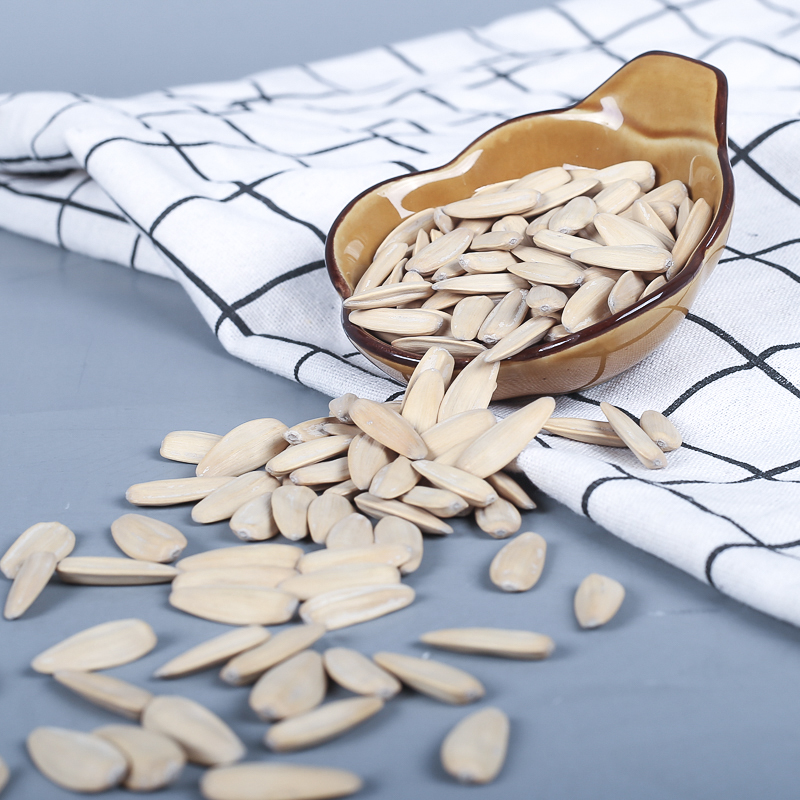
Sunflower seeds, in bulk factory settings, represent a significant commodity within the global food and oilseed industry. This technical guide details the intricacies of large-scale sunflower seed processing, encompassing botanical origins, seed quality assessment, handling procedures, and industry-specific challenges. Sunflower seeds ( Helianthus annuus) are categorized based on oil content (high oleic, mid-oleic, linoleic), hull characteristics (black, striped, confectionary), and intended end-use (oil extraction, direct consumption, birdseed). The increasing demand for plant-based oils and protein, coupled with the versatility of sunflower seeds, drives the need for efficient and rigorously controlled bulk processing operations. Core performance criteria for bulk sunflower seed factories center on maintaining seed integrity, minimizing foreign material contamination, preserving oil quality, and complying with stringent food safety regulations. This guide addresses these critical aspects, providing a comprehensive technical overview for procurement managers, engineers, and quality control professionals.
Material Science & Manufacturing
Sunflower seeds are comprised of approximately 35-55% oil, 20-30% protein, 10-15% hull, and 5-10% moisture. The oil consists primarily of triglycerides, with varying proportions of linoleic, oleic, and palmitic acids depending on the seed variety. The hull, a protective outer layer, is primarily cellulose and lignin. Seed protein content is significant, comprising a diverse array of globulins, albumins, and prolamins. Manufacturing begins with harvesting and initial field drying to a moisture content of 9-12%. De-heading and seed extraction are typically achieved mechanically using combine harvesters. Subsequent processes involve cleaning (removal of stalks, leaves, and other debris), de-hulling (removing the outer hull), sizing/grading (categorizing seeds by size and weight), and drying to a final moisture content of 6-8% for optimal storage stability. De-hulling efficiency is crucial, impacting oil yield and seed quality; impact dehullers and centrifugal dehullers are commonly employed. Drying typically employs a counter-current airflow system, carefully controlling temperature (typically below 45°C) to prevent protein denaturation and oil oxidation. Parameter control centers around maintaining consistent airflow velocity, temperature gradients, and residence time within the drying system. The chemical compatibility of construction materials (stainless steel 304/316 preferred) with seed oils and moisture is essential to prevent corrosion and contamination.
Performance & Engineering
The performance of a sunflower seed bulk factory is predicated on efficient material handling and minimization of seed damage. Force analysis during seed transfer, conveying, and storage is critical to prevent cracking and particle attrition. Conveyor systems are engineered to minimize impact forces, utilizing belt speeds and incline angles optimized for seed fragility. Storage silos must be designed to withstand the static and dynamic loads of bulk seed, considering factors like particle size distribution and moisture content. Environmental resistance is paramount; temperature and humidity control within storage facilities is crucial to prevent mold growth, insect infestation, and lipid oxidation. Controlled atmosphere storage (reducing oxygen levels) is increasingly employed to extend shelf life and preserve oil quality. Compliance requirements dictate adherence to food safety standards such as HACCP (Hazard Analysis and Critical Control Points), GMP (Good Manufacturing Practices), and relevant national or regional food regulations. Functional implementation includes robust dust collection systems (to mitigate explosion hazards associated with seed dust), automated cleaning and sorting systems (utilizing optical sorting technology), and real-time monitoring of key process parameters (temperature, humidity, moisture content).
Technical Specifications
| Seed Moisture Content | Oil Content (Dry Basis) | Hull Percentage | Foreign Material (Max.) |
|---|---|---|---|
| 6-8% | 40-55% | 20-25% | 1.0% |
| Kernel Damage (Split Kernels) | Free Fatty Acid (FFA) | Peroxide Value (PV) | Seed Size (Screen Size) |
| < 5% | < 0.5% | < 5 meq O2/kg | 16/64 inch |
| Bulk Density (kg/m³) | Seed Hardness (N) | Moisture Activity (aw) | Storage Temperature (°C) |
| 600-700 | 50-80 | 0.65-0.70 | 10-15 |
| Contamination (Pesticides) | Aflatoxin (ppb) | Insect Infestation | Mold Count (CFU/g) |
| As per regulatory limits | < 20 | Zero Tolerance | < 100 |
Failure Mode & Maintenance
Sunflower seed bulk factories are susceptible to several failure modes. Fatigue cracking in conveyor components and silo structures can occur due to cyclical loading. Delamination of seed coatings (for treated seeds) can reduce efficacy. Lipid oxidation and rancidity are common degradation pathways, accelerated by high temperatures, exposure to oxygen, and enzymatic activity. Mold growth, driven by excessive moisture, can lead to aflatoxin contamination. Insect infestation (e.g., storage mites, weevils) results in seed damage and quality loss. Maintenance solutions include regular inspection and replacement of wear parts (belts, bearings, screens), implementation of preventative maintenance schedules for drying and cleaning equipment, robust dust control systems, and strict adherence to sanitation protocols. Periodic analysis of seed samples for moisture content, oil quality (FFA, PV), and aflatoxin levels is crucial. Silo inspection should include assessment of structural integrity and detection of corrosion. Proactive pest control measures (integrated pest management) are essential. Regular cleaning and disinfection of storage facilities are also vital.
Industry FAQ
Q: What is the optimal moisture content for long-term storage of sunflower seeds, and why is maintaining this level critical?
A: The optimal moisture content for long-term storage is 6-8%. Moisture content directly influences seed respiration rate and enzymatic activity. Higher moisture levels promote mold growth, insect proliferation, and lipid oxidation, leading to spoilage and quality degradation. Maintaining low moisture content effectively inhibits these processes, preserving seed viability and oil quality.
Q: How does the hull percentage impact the oil extraction efficiency, and what strategies can be employed to minimize hull content in the final product?
A: Higher hull percentages reduce oil extraction efficiency as the hull is largely inert material. Oil yield decreases proportionally with increasing hull content. Strategies to minimize hull content include optimizing the de-hulling process (adjusting impact force, gap settings), employing efficient separation techniques (air classification, gravity separation), and utilizing seed varieties with thinner hulls.
Q: What are the key considerations when selecting materials for construction of seed storage silos to prevent corrosion and contamination?
A: Stainless steel (304/316 grades) is the preferred material due to its excellent corrosion resistance and inertness. Carbon steel, if used, must be properly coated with food-grade epoxy coatings. Consideration must be given to the corrosive nature of seed oils and fatty acids. Avoid materials that can leach harmful chemicals into the seeds.
Q: What are the primary causes of aflatoxin contamination in sunflower seeds, and what preventative measures can be taken to mitigate this risk?
A: Aflatoxin contamination is caused by Aspergillus flavus and Aspergillus parasiticus fungi, which thrive in warm, humid conditions and can infect seeds in the field or during storage. Preventative measures include minimizing seed damage during harvest, ensuring rapid and thorough drying, maintaining proper storage conditions (low temperature, low humidity), implementing effective pest control, and utilizing seed treatments with antifungal agents.
Q: What role does optical sorting technology play in quality control, and what parameters can be adjusted to optimize its performance?
A: Optical sorting technology utilizes cameras and image processing algorithms to identify and remove defective seeds (discolored, damaged, foreign material). Parameters that can be adjusted include color thresholds, size filters, shape recognition algorithms, and sensitivity levels. Regular calibration and maintenance of the optical sorting system are essential to ensure optimal performance.
Conclusion
The efficient and reliable operation of a sunflower seed bulk factory demands a thorough understanding of the complex interplay between material science, manufacturing processes, and performance engineering. Maintaining seed integrity, minimizing contamination, and preserving oil quality are paramount objectives. Proactive maintenance, rigorous quality control, and adherence to industry standards are critical for ensuring long-term profitability and sustainability.
Future developments will likely focus on enhanced automation, optimized energy efficiency, and the integration of real-time data analytics to improve process control. Further research into seed genetics to improve oil content and disease resistance will also play a pivotal role. A holistic approach to sunflower seed processing, incorporating advanced technologies and best practices, is essential to meet the evolving demands of the global food and oilseed market.
