Introduction
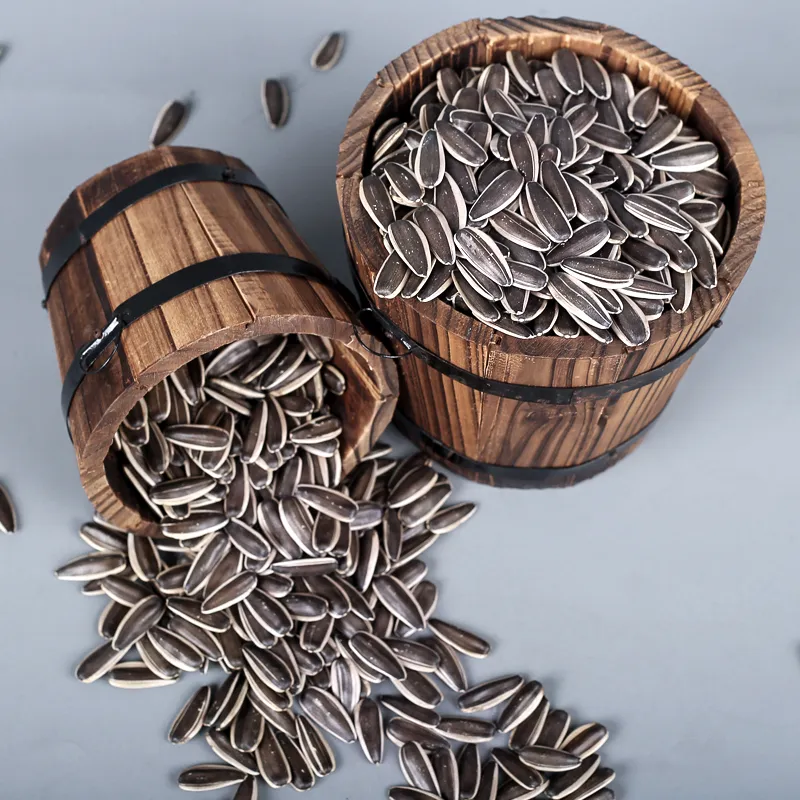
Sunflower seeds, specifically those intended for bulk export, represent a significant commodity within the global agricultural market. This guide provides an in-depth technical overview for industry professionals involved in the sourcing, processing, storage, and transportation of these seeds. Positioned within the oleaginous seed supply chain, sunflower seeds serve as a critical raw material for edible oil production, confectionary snacks, and animal feed. Core performance characteristics influencing export viability include oil content, kernel size, moisture content, and the presence of foreign material. Maintaining these parameters within acceptable limits is paramount for compliance with international trade standards and maximizing economic value. This document details the scientific principles underpinning sunflower seed quality, the manufacturing processes affecting it, and potential failure modes impacting long-term preservation and transport.
Material Science & Manufacturing
Sunflower seeds ( Helianthus annuus) are composed primarily of oil (42-58% by weight), protein (20-25%), carbohydrates (15-20%), and fiber (5-10%). The hull, or pericarp, provides physical protection and contributes to fiber content. Kernel composition varies based on cultivar and growing conditions. Oil content is primarily comprised of linoleic acid (typically 60-75%), oleic acid (10-30%), and palmitic acid (4-8%). Manufacturing begins with seed harvesting, typically employing mechanical combines. Post-harvest processing includes cleaning (removal of chaff, stems, leaves), drying (to achieve 8-10% moisture content to inhibit microbial growth and prevent lipid oxidation), dehulling (optional, depending on end-use – confectionary seeds require dehulling), grading (based on size and density), and sorting (removal of damaged or discolored seeds). Critical process parameters include drying temperature (should not exceed 60°C to avoid protein denaturation and oil degradation), cleaning efficiency (to minimize foreign matter contamination), and dehulling pressure (optimized to minimize kernel damage). Storage conditions, particularly temperature and humidity control, are crucial for maintaining seed quality. Aeration systems are commonly employed in bulk storage silos to prevent moisture buildup and localized heating. Chemical treatments are sometimes used for pest control, requiring stringent adherence to permissible residue levels defined by importing country regulations.

Performance & Engineering
The primary performance requirement for sunflower seeds intended for bulk export is maintaining kernel integrity during handling, transportation, and storage. This necessitates consideration of compressive strength, impact resistance, and shear stress. The hull provides substantial mechanical protection, however, dehulling significantly reduces these properties. Bulk density, influenced by kernel size and shape, impacts storage capacity and transportation costs. Environmental resistance is critical. Moisture ingress promotes microbial growth (molds, yeasts) leading to aflatoxin contamination, a significant food safety concern. Lipid oxidation, accelerated by elevated temperatures and oxygen exposure, results in rancidity and reduced oil quality. Compliance requirements are extensive, encompassing regulations related to pesticide residues (e.g., EU MRLs, US EPA tolerances), mycotoxin levels (aflatoxin B1, ochratoxin A), and phytosanitary certification (ensuring freedom from regulated pests and diseases). Functional implementation – whether destined for oil extraction, direct consumption, or animal feed – dictates specific quality parameters. For oil extraction, oil content and free fatty acid levels are paramount. For confectionary seeds, kernel size, appearance, and taste are key drivers of consumer acceptance. Engineering solutions such as modified atmosphere packaging (MAP) and controlled humidity storage are employed to extend shelf life and preserve quality.
Technical Specifications
| Parameter | Unit | Typical Range (Oilseed Grade) | Typical Range (Confectionery Grade) |
|---|---|---|---|
| Oil Content | % (Dry Weight Basis) | 48-55 | 50-58 |
| Moisture Content | % | 8-10 | 6-8 |
| Kernel Size (Diameter) | mm | 10-14 | 14-18 |
| Hull Content | % | 10-20 | <5 |
| Free Fatty Acid (FFA) | % (Oleic Acid Basis) | <1.0 | <0.5 |
| Broken Kernels/Foreign Matter | % | <2 | <1 |
Failure Mode & Maintenance
Sunflower seeds are susceptible to several failure modes during bulk export. Lipid Oxidation: Exposure to oxygen and elevated temperatures causes rancidity, evidenced by off-flavors and decreased oil quality. Mitigation involves antioxidant addition (Vitamin E, BHT), nitrogen flushing of storage containers, and temperature control. Microbial Contamination: High moisture content promotes mold growth (Aspergillus, Fusarium), leading to aflatoxin production. Preventative measures include thorough drying, proper storage ventilation, and antifungal treatments (where permitted). Physical Damage: Impact during handling and transport can cause kernel breakage, reducing value and increasing susceptibility to oxidation. Gentle handling procedures and appropriate packaging are crucial. Insect Infestation: Storage pests (e.g., weevils) can damage kernels and contaminate the bulk shipment. Insecticidal treatments and hermetic sealing of storage containers are employed. Delamination/Hull Separation: Improper dehulling can result in hull fragments remaining attached to kernels, reducing visual appeal and processing efficiency. Optimized dehulling parameters and post-dehulling cleaning are required. Maintenance involves regular inspection of storage facilities for leaks, pest activity, and temperature/humidity fluctuations. Periodic testing for moisture content, oil quality (peroxide value, acidity), and aflatoxin levels is essential for quality control. Implementing a robust traceability system allows for rapid identification and isolation of any affected batches.
Industry FAQ
Q: What is the acceptable level of aflatoxin in sunflower seeds destined for the European Union?
A: The European Union sets a maximum permissible level of 2.0 micrograms per kilogram (µg/kg) for total aflatoxins (B1, B2, G1, G2) in sunflower seeds. Exceeding this limit results in rejection of the shipment. Regular testing using ELISA or HPLC methods is essential to ensure compliance.
Q: How does storage temperature affect the shelf life of sunflower seeds?
A: Higher storage temperatures significantly accelerate lipid oxidation and microbial growth, reducing shelf life. Ideally, sunflower seeds should be stored at temperatures below 20°C (68°F). For long-term storage (>6 months), temperatures of 5-10°C (41-50°F) are recommended, coupled with humidity control (below 65% RH).
Q: What are the key differences between oilseed-grade and confectionery-grade sunflower seeds?
A: Oilseed-grade seeds are primarily intended for oil extraction and have less stringent requirements regarding kernel size and appearance. Confectionery-grade seeds are destined for direct human consumption and require larger, fully developed kernels with minimal defects, a high oil content, and a desirable flavor profile. Dehulling is standard for confectionery grade.
Q: What phytosanitary certifications are typically required for sunflower seed exports?
A: Requirements vary depending on the importing country. Generally, a phytosanitary certificate issued by the exporting country’s national plant protection organization is required, confirming the seeds are free from regulated pests and diseases. Specific requirements may include freedom from Orobanche cumingii and Sclerotinia sclerotiorum.
Q: How can we minimize the risk of insect infestation during long-term bulk storage?
A: Effective insect control relies on a multi-faceted approach. This includes thorough cleaning of storage facilities, airtight sealing of containers, controlled atmosphere storage (nitrogen flushing), and the use of approved insecticidal treatments (following local regulations). Regular monitoring for pest activity is crucial, along with temperature and humidity control.
Conclusion
Sunflower seed bulk export is a complex process demanding rigorous attention to material science, manufacturing protocols, and quality control. Maintaining optimal moisture content, protecting against lipid oxidation and microbial contamination, and ensuring compliance with international regulations are paramount to delivering a high-quality product and minimizing economic losses. The technical specifications outlined in this guide serve as a foundational framework for assessing seed quality and optimizing performance throughout the supply chain.
Future advancements in sunflower breeding are focusing on improving oil content, increasing kernel size, and enhancing resistance to pests and diseases. Furthermore, innovations in storage technology, such as modified atmosphere packaging and real-time monitoring systems, promise to extend shelf life and reduce spoilage. Continuous investment in research and development, coupled with adherence to best practices, will be essential for sustaining the competitiveness of the sunflower seed export industry.
