Introduction
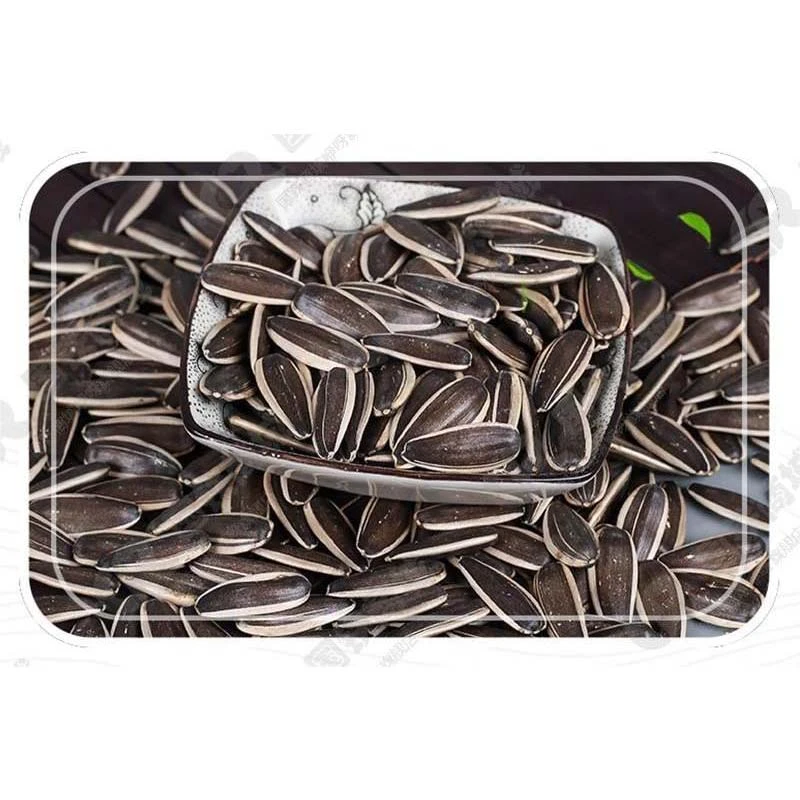
Sunflower seeds, classified under the Helianthus annuus species, represent a significant agricultural commodity with varieties 361, 363, and 601 being commercially relevant due to their distinct kernel size, oil content, and linoleic acid profiles. These varieties are integral to the edible seed, confectionary, and oil extraction industries. This technical guide details the material science, manufacturing processes, performance characteristics, potential failure modes, and industry standards pertinent to sunflower seeds supplied by 361/363/601 suppliers. The core performance indicators include oil yield (%), protein content (%), moisture content (%), and the presence of harmful contaminants. The critical pain point for industry procurement managers lies in ensuring consistent seed quality, minimizing aflatoxin contamination, and optimizing oil extraction efficiency, all while adhering to stringent international food safety regulations. This guide serves as a comprehensive resource for addressing these challenges.
Material Science & Manufacturing
Sunflower seed composition is primarily determined by genetics, growing conditions, and post-harvest processing. The kernel consists of approximately 40-55% oil, 20-30% protein, 10-20% carbohydrates (primarily starch), and 5-10% fiber. The hull, or pericarp, comprises roughly 20-30% of the seed weight and is largely cellulose and lignin. Varieties 361 and 601 are generally characterized by a higher oil content than 363. The oil itself is predominantly composed of triglycerides, with linoleic acid (omega-6) typically comprising 60-70% and oleic acid (omega-9) ranging from 20-40%. Manufacturing begins with field cultivation, followed by harvesting, cleaning, dehulling, and drying. Dehulling is a crucial step, often employing impact or friction methods. Moisture content control during drying is paramount; optimal levels are between 8-10% to prevent mold growth and aflatoxin production. Key parameters include drying temperature (maintained below 45°C to prevent oil degradation) and airflow rate. Seed grading is conducted based on size, density, and visual inspection for defects. Suppliers utilize optical sorting technology to remove discolored or damaged seeds. Chemical compatibility during storage is a concern; seeds are susceptible to rancidity due to lipid oxidation, necessitating storage in cool, dry, and dark conditions. Packaging materials must exhibit low oxygen permeability.
Performance & Engineering
The performance of sunflower seeds is assessed through several key engineering properties. Tensile strength of the kernel, relevant during oil extraction, typically ranges from 50-80 MPa. Impact resistance is crucial during handling and processing; seeds must withstand impacts without fracturing. Bulk density, averaging 650-750 kg/m³, influences storage capacity and transportation logistics. Oil extraction efficiency, typically 90-95% using mechanical pressing or solvent extraction, is a primary performance metric. Environmental resistance focuses on storage stability. Elevated temperatures and humidity accelerate lipid oxidation and promote mold growth. Aflatoxin contamination, caused by Aspergillus flavus and Aspergillus parasiticus, is a critical safety concern. Compliance requirements include adherence to maximum allowable aflatoxin levels established by regulatory bodies (e.g., FDA, EFSA). The functional implementation relies on consistent seed quality for efficient oil extraction, minimizing processing downtime and maximizing oil yield. Seed size consistency is essential for efficient dehulling and sorting. Suppliers must provide detailed Certificates of Analysis (COAs) demonstrating compliance with relevant standards.
Technical Specifications
| Variety | Oil Content (%) | Protein Content (%) | Kernel Moisture (%) | Hull Percentage (%) | Aflatoxin Level (ppb) - Max |
|---|---|---|---|---|---|
| 361 | 50-55 | 22-26 | 8-10 | 25-30 | 20 |
| 363 | 48-52 | 23-27 | 8-10 | 28-33 | 20 |
| 601 | 52-58 | 20-24 | 8-10 | 22-28 | 20 |
| Bulk Density (kg/m³) | 650-750 | 650-750 | 650-750 | 650-750 | 650-750 |
| Kernel Hardness (Shore D) | 40-50 | 40-50 | 40-50 | 40-50 | 40-50 |
| Linoleic Acid (%) | 60-70 | 60-70 | 60-70 | 60-70 | 60-70 |
Failure Mode & Maintenance
Sunflower seeds are susceptible to several failure modes. Lipid oxidation, resulting in rancidity, is a primary concern, accelerated by exposure to oxygen, light, and heat. This manifests as off-flavors and reduced oil quality. Aflatoxin contamination represents a critical food safety hazard, potentially leading to liver damage and other health issues. Mechanical damage during handling and processing (e.g., cracking, chipping) reduces yield and quality. Moisture absorption can lead to mold growth and spoilage. Preventive maintenance involves proper storage conditions (cool, dry, dark), regular monitoring of moisture content, and implementation of robust quality control measures to detect and remove damaged or contaminated seeds. Regular cleaning of processing equipment prevents cross-contamination. Aflatoxin mitigation strategies include pre-harvest calcium sprays to strengthen cell walls, proper drying techniques, and the use of antifungal agents (where permitted by regulations). Seed coatings can also provide a protective barrier against moisture and oxygen. Suppliers should implement a Hazard Analysis and Critical Control Points (HACCP) plan to ensure food safety.
Industry FAQ
Q: What are the key differences in oil profile between sunflower seed varieties 361, 363, and 601, and how do these affect downstream applications?
A: Variety 601 typically exhibits a higher oleic acid content compared to 361 and 363. High-oleic sunflower oil is prized for its improved oxidative stability, making it suitable for high-heat cooking applications and extending the shelf life of finished products. 361 and 363 generally contain higher linoleic acid levels, contributing to a more pronounced flavor profile but with reduced oxidative stability. The choice of variety depends on the intended application; for example, confectionery applications often prefer the flavor of higher linoleic acid varieties, while frying oils benefit from the stability of high-oleic varieties.
Q: What quality control measures are in place to guarantee minimal aflatoxin contamination in shipments of sunflower seeds?
A: Suppliers employ multiple quality control measures, starting with pre-harvest assessments of field conditions and susceptibility to Aspergillus growth. Incoming seeds undergo rigorous sampling and testing using ELISA or HPLC methods to quantify aflatoxin levels. Seeds exceeding established maximum limits are rejected or re-processed. Storage facilities are regularly inspected for mold growth and pest infestations. A comprehensive HACCP plan outlines critical control points and preventative measures throughout the entire supply chain.
Q: How does moisture content impact the storage life and processing efficiency of sunflower seeds?
A: Excessive moisture content (above 10%) promotes mold growth, lipid oxidation, and aflatoxin production, significantly reducing storage life. High moisture content also hinders efficient dehulling and oil extraction, leading to increased processing costs and reduced yields. Maintaining optimal moisture levels through proper drying and storage practices is crucial for preserving seed quality and maximizing processing efficiency.
Q: What are the acceptable tolerances for foreign material (e.g., stems, leaves, stones) in a commercial shipment of sunflower seeds?
A: Acceptable tolerances for foreign material are typically defined in contract specifications and are dependent on the intended use of the seeds. Generally, a maximum of 1-2% foreign material is considered acceptable for oil extraction, while lower tolerances (0.1-0.5%) are required for confectionery applications. Suppliers employ optical sorting and density separation techniques to minimize the presence of foreign material.
Q: What documentation (e.g., COA, MSDS) is provided with each shipment of sunflower seeds to verify quality and safety?
A: Suppliers provide a comprehensive documentation package, including a Certificate of Analysis (COA) detailing oil content, protein content, moisture content, aflatoxin levels, and other key parameters. A Material Safety Data Sheet (MSDS) provides information on handling, storage, and potential hazards. Origin certificates and phytosanitary certificates may also be included as required by import regulations.
Conclusion
Sunflower seeds 361/363/601 represent a valuable agricultural resource, but their quality and performance are heavily reliant on meticulous control of material science principles, manufacturing processes, and storage conditions. Understanding the interplay between seed composition, moisture content, and potential contaminants like aflatoxins is crucial for ensuring product safety and maximizing oil extraction efficiency. The technical specifications outlined in this guide provide a benchmark for evaluating supplier offerings.
Moving forward, advancements in seed breeding programs will focus on developing varieties with enhanced oil content, improved resistance to diseases and pests, and reduced susceptibility to aflatoxin contamination. Continuous monitoring of industry standards and regulatory requirements is essential for maintaining compliance and ensuring the long-term sustainability of the sunflower seed supply chain. Collaboration between suppliers, processors, and researchers is vital for optimizing production practices and addressing emerging challenges.
