Introduction
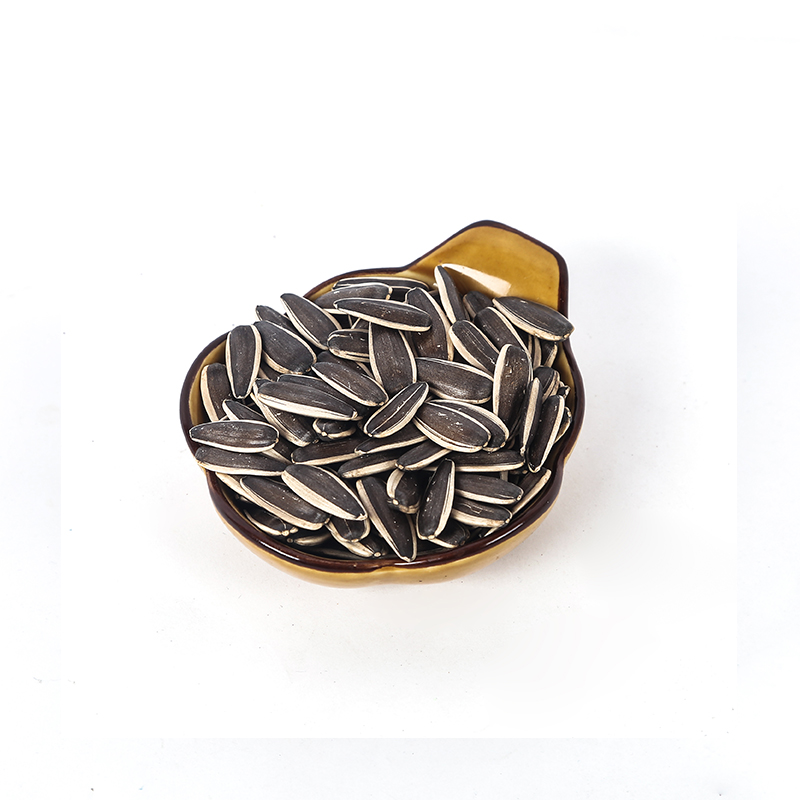
Sunflower seeds, specifically the varieties designated 361, 363, and 601, represent a significant commodity within the global edible seed market. These cultivars, supplied by specialized vendors, are characterized by distinct kernel sizes, oil content, and shelling characteristics. Their position in the industry chain extends from agricultural production and primary processing (drying, dehulling, and grading) to secondary processing (roasting, flavoring, and packaging) and ultimately, consumer markets. Core performance indicators revolve around oil yield, protein content, moisture levels, and freedom from contaminants such as aflatoxins and pesticide residues. Ensuring consistent quality and adherence to stringent food safety standards are paramount concerns for both suppliers and processors. This technical guide will provide a comprehensive overview of the material science, manufacturing processes, performance characteristics, potential failure modes, and relevant industry standards associated with sunflower seeds 361/363/601.
Material Science & Manufacturing
Sunflower seeds are biologically comprised of several key components: the hull (pericarp), the kernel (cotyledon), and the embryo. The hull, typically accounting for 20-50% of the seed’s weight depending on variety, is primarily cellulose and lignin, providing structural integrity. The kernel, the economically valuable portion, is rich in oil (40-55%), protein (18-24%), and fiber. The oil consists primarily of linoleic acid (a polyunsaturated omega-6 fatty acid), oleic acid (a monounsaturated fatty acid), and palmitic acid (a saturated fatty acid). The manufacturing process begins with controlled cultivation focused on optimizing oil content and kernel size. Harvesting typically occurs at physiological maturity, indicated by the darkening of the seed head and reduced moisture content. Post-harvest processing involves cleaning, drying (critical to prevent aflatoxin development – moisture content target <9%), dehulling (mechanical or chemical), kernel grading (based on size and density), and finally, quality control. Key parameters during drying include temperature (maintained below 60°C to preserve oil quality) and airflow. Dehulling efficiency impacts yield and kernel damage. Chemical compatibility with processing equipment materials (stainless steel is preferred to avoid iron contamination) is essential. Varietal differences (361, 363, 601) influence hull tightness and dehulling ease. Proper storage, with controlled temperature and humidity, is critical to maintain seed viability and prevent rancidity.
Performance & Engineering
The performance of sunflower seeds is fundamentally linked to their mechanical properties and resistance to environmental factors. Kernel hardness, measured using compression testing, influences dehulling efficiency and resistance to cracking during processing. Oil stability, assessed through rancidity tests (peroxide value, acid value), dictates shelf life. Force analysis during dehulling determines the optimal mechanical force required for efficient separation of the kernel from the hull, minimizing damage. Environmental resistance encompasses the seed’s ability to withstand temperature fluctuations, humidity changes, and potential contamination. Compliance requirements include adherence to national and international food safety regulations concerning pesticide residues (Maximum Residue Limits – MRLs), aflatoxin levels (typically <20 ppb), and heavy metal content. Functional implementation extends to processing parameters such as roasting temperature and time, which impact flavor development and oil quality. For example, excessive roasting can lead to the formation of harmful acrylamide. Different varieties (361, 363, 601) exhibit varying tolerances to storage conditions and processing stresses. The physical dimensions of the seed, specifically length, width, and thickness, are critical for efficient sorting and packaging operations, influencing equipment calibration and throughput.
Technical Specifications
| Variety | Kernel Oil Content (%) | Kernel Moisture Content (%) | Hull Percentage (%) | Kernel Hardness (N) | Aflatoxin Level (ppb) |
|---|---|---|---|---|---|
| 361 | 50-54 | 8-9 | 30-35 | 80-100 | <20 |
| 363 | 52-56 | 7-8 | 25-30 | 90-110 | <20 |
| 601 | 48-52 | 9-10 | 35-40 | 70-90 | <20 |
| Typical Range (All) | 48-56 | 7-10 | 25-40 | 70-110 | <20 |
| Protein Content (%) | 18-24 | 18-24 | 18-24 | N/A | N/A |
| Kernel Size (mm) | 10-14 | 11-15 | 9-13 | N/A | N/A |
Failure Mode & Maintenance
Sunflower seeds are susceptible to several failure modes throughout their lifecycle. Aflatoxin contamination, caused by Aspergillus flavus fungi, is a primary concern, particularly in conditions of high humidity and temperature during storage. This manifests as visible mold growth and potentially carcinogenic toxins. Rancidity, resulting from lipid oxidation, causes off-flavors and reduces nutritional value; it’s accelerated by exposure to air, light, and heat. Mechanical damage during dehulling or processing can lead to kernel cracking and reduced market value. Insect infestation (e.g., by storage beetles) results in seed loss and contamination. Maintenance strategies center around proactive measures: strict adherence to drying protocols to minimize moisture content, controlled atmosphere storage (temperature <10°C, humidity <65%), regular pest control monitoring and treatment, and proper sanitation of processing equipment. Regular oil quality testing (peroxide value, acid value) is crucial for detecting rancidity. For aflatoxin prevention, implementing Good Agricultural Practices (GAP) and utilizing resistant varieties are essential. Damaged kernels should be removed during sorting to prevent further deterioration. Proper calibration of dehulling equipment is vital to minimize mechanical damage. Seed viability can also degrade over time, especially with improper storage, leading to reduced germination rates if the seeds are intended for planting.
Industry FAQ
Q: What is the primary difference in oil profile between varieties 361 and 601, and how does this impact its suitability for different applications?
A: Variety 361 generally exhibits a higher linoleic acid content (typically >60%) compared to 601 (typically 50-55%). This makes 361 more suitable for applications requiring a higher proportion of omega-6 fatty acids, such as certain edible oil blends. 601, with its slightly higher oleic acid content, offers improved oxidative stability, making it preferable for applications demanding longer shelf life or higher temperature processing.
Q: How do you ensure aflatoxin levels remain consistently below the 20 ppb regulatory limit across large-scale shipments?
A: We employ a multi-faceted approach. This includes sourcing seeds from farms with documented GAP practices, rigorous pre-harvest monitoring for fungal infection, rapid and thorough drying post-harvest to reduce moisture content, regular aflatoxin testing at multiple stages of processing (raw material, intermediate product, final product) using ELISA and HPLC methods, and stringent quality control protocols for storage and transportation. All testing is conducted by accredited laboratories.
Q: What are the key parameters you monitor during the dehulling process to minimize kernel damage and maximize yield?
A: We continuously monitor and adjust several parameters, including the impact speed of the dehulling machinery, the clearance between the rotating components and the seed bed, the feed rate of the seeds, and the air flow to remove hulls. We also conduct regular visual inspections to assess the degree of kernel damage and optimize the process accordingly. Hull percentage and kernel breakage are key performance indicators.
Q: Can you provide information on the traceability of your sunflower seeds, from origin to final shipment?
A: Absolutely. We maintain a comprehensive traceability system that tracks each batch of seeds from the originating farm, through all stages of processing, to final packaging and shipment. This system utilizes lot numbers and detailed records of all processing parameters, quality control data, and storage conditions. We can provide complete documentation upon request.
Q: What packaging options are available, and how do these options contribute to maintaining seed quality during transit and storage?
A: We offer various packaging options, including polypropylene woven bags, bulk bags (FIBCs), and vacuum-sealed packaging. The choice of packaging depends on the quantity and intended storage duration. Vacuum-sealed packaging provides the highest level of protection against oxidation and moisture ingress, maximizing shelf life. All packaging materials are food-grade and designed to protect the seeds from physical damage and contamination during transit.
Conclusion
Sunflower seeds 361, 363, and 601 represent a vital agricultural commodity with a complex interplay of material properties, manufacturing processes, and performance characteristics. Maintaining consistent quality, ensuring food safety through stringent aflatoxin control, and optimizing processing parameters for maximum yield and minimal damage are crucial considerations for suppliers and processors. Understanding the nuances of each variety – their oil profiles, kernel hardness, and susceptibility to degradation – is paramount for selecting the optimal seeds for specific applications.
The industry’s continued focus on sustainable agricultural practices, improved storage technologies, and advanced quality control methodologies will be critical for meeting growing global demand for sunflower seeds and their derivatives. Adherence to international standards and proactive risk management will further solidify the integrity and reliability of the supply chain.
