Introduction
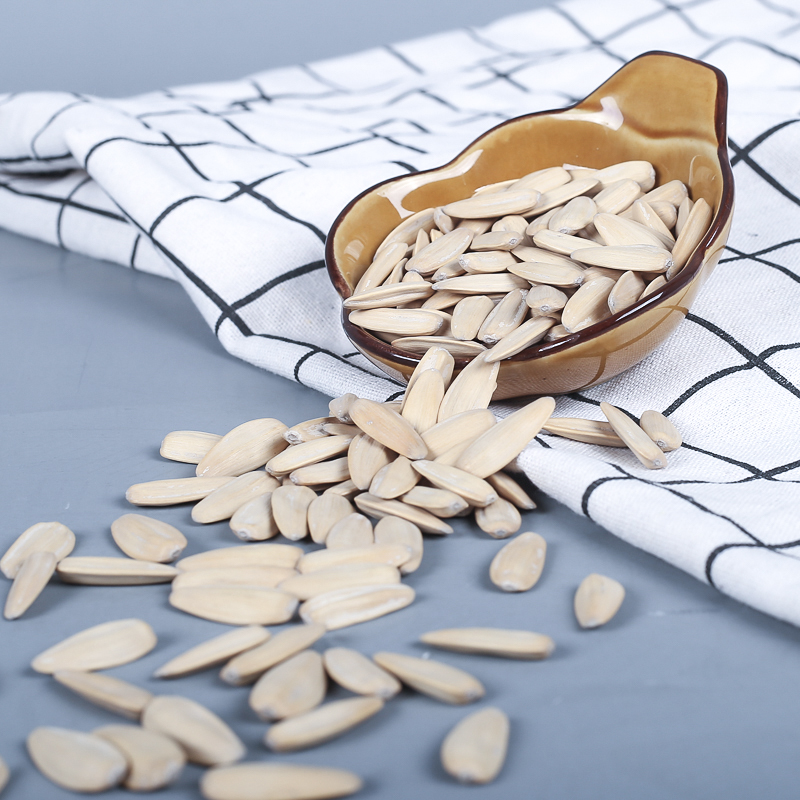
Sunflower seeds 361/363/601 represent a category of hulled sunflower seeds destined primarily for direct human consumption and industrial applications, differing significantly from seeds intended for oil extraction or replanting. These specific designations (361, 363, 601) typically refer to varying kernel sizes and quality grades within the broader sunflower seed market, influenced by the hybrid variety, growing conditions, and post-harvest processing techniques. The seeds occupy a crucial position in the agricultural supply chain, bridging the gap between agricultural producers and the food processing, confectionery, and snack food industries. Core performance characteristics include kernel weight, oil content (residual after dehulling), protein content, moisture levels, and the absence of foreign material. Consistent quality within these parameters dictates suitability for diverse applications ranging from pre-packaged snacks to ingredient components in baked goods and trail mixes. The market faces consistent demand for improved seed size uniformity, enhanced flavor profiles, and optimized logistical handling properties.
Material Science & Manufacturing
The primary raw material, the sunflower kernel, is composed of approximately 20-50% oil, 20-30% protein, 15-25% carbohydrate (primarily cellulose and hemicellulose in the hull), and 5-10% moisture. Trace elements include phospholipids, sterols, and tocopherols, influencing oxidative stability and nutritional value. Manufacturing begins with harvesting mature sunflower heads. Subsequent processing involves threshing to separate the seeds from the head, drying to reduce moisture content to approximately 8-10% to inhibit fungal growth and enzymatic activity, and dehulling – the critical step of removing the outer hull. The 361/363/601 designations are partially determined during dehulling, with size-sorting machinery separating kernels based on dimensions. Different dehulling methods exist: impact dehulling (mechanical force), abrasive dehulling (friction), and a combination of both. Parameter control during drying is vital; excessive heat can denature proteins and reduce oil quality, while insufficient drying increases susceptibility to spoilage. Dehulling efficiency impacts kernel yield and the presence of hull fragments, which are considered contaminants. Grading and sorting operations are subsequently conducted based on size, shape, color, and the removal of defective kernels (e.g., broken, discolored, insect-damaged). The final product is often treated with food-grade coatings to enhance shelf life and improve palatability. Coating materials vary, including vegetable oils, salt, and flavoring compounds.
Performance & Engineering
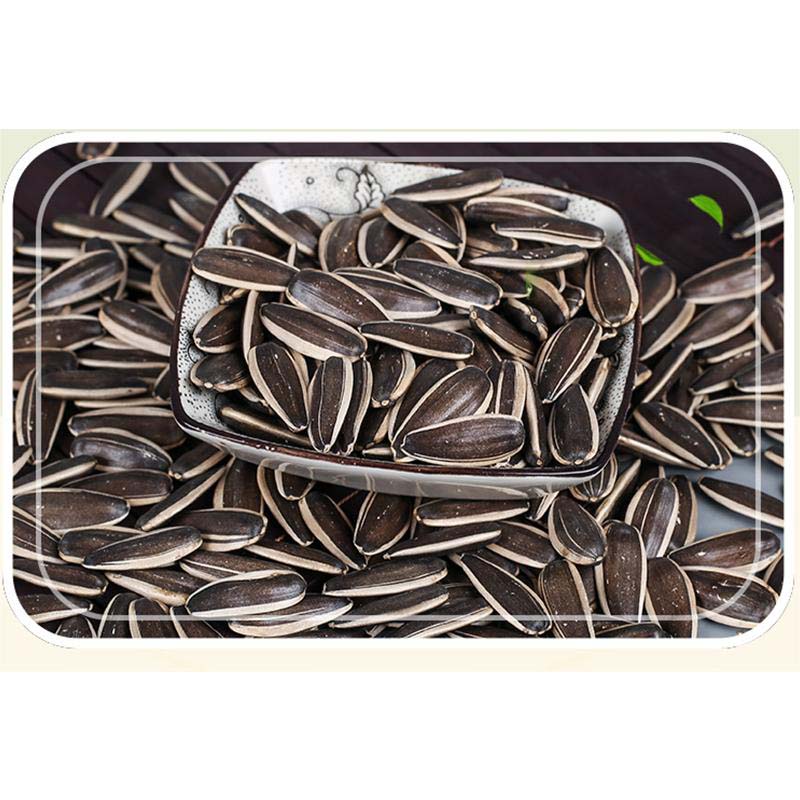
Performance is largely dictated by the physical integrity of the kernel and its resistance to degradation. Force analysis during handling and packaging requires understanding kernel compressive strength to minimize breakage. Kernels are subjected to shear forces during conveying, sorting, and packaging, and tensile forces during consumption. Environmental resistance is critical; high humidity promotes moisture absorption, leading to rancidity and microbial growth. Temperature fluctuations impact oil stability and can cause condensation within packaging. Compliance requirements involve adherence to food safety standards (e.g., HACCP, GMP) and regulatory limits for contaminants like aflatoxins and heavy metals. Functional implementation necessitates understanding the flowability of the seeds – factors like kernel shape and surface texture influence bulk density and hopper discharge rates in automated processing lines. The oil content significantly affects caloric density and sensory attributes. Surface coatings contribute to flavor release and mouthfeel. Packaging materials must provide a barrier against oxygen and moisture to maintain product quality. Seed size uniformity directly impacts packaging efficiency and consumer perception of value. Kernel hardness is related to protein content and processing conditions. A harder kernel generally maintains its shape and texture during handling.
Technical Specifications
| Parameter | Unit | 361 Grade | 363 Grade | 601 Grade |
|---|---|---|---|---|
| Kernel Size (Diameter) | mm | 14.0 – 16.0 | 12.0 – 14.0 | 16.0 – 18.0 |
| Moisture Content | % | ≤ 8.0 | ≤ 8.5 | ≤ 7.5 |
| Oil Content (Dry Basis) | % | 48 – 52 | 45 – 50 | 50 – 55 |
| Protein Content (Dry Basis) | % | 20 – 24 | 22 – 26 | 18 – 22 |
| Foreign Matter | % | ≤ 0.5 | ≤ 0.7 | ≤ 0.3 |
| Broken Kernels | % | ≤ 3.0 | ≤ 5.0 | ≤ 2.0 |
Failure Mode & Maintenance
Sunflower seeds are susceptible to several failure modes. Rancidity, caused by lipid oxidation, is a primary concern, initiated by exposure to oxygen, light, and elevated temperatures. This manifests as an off-flavor and reduced nutritional value. Microbial growth, particularly molds producing aflatoxins, presents a significant food safety risk, favored by high moisture content and inadequate storage conditions. Physical damage (cracking, chipping) occurs during handling and processing, reducing aesthetic appeal and potentially increasing susceptibility to oxidation. Insect infestation can lead to significant losses and contamination. Delamination of the kernel's outer layers can occur due to improper drying or storage. Maintenance focuses on preventative measures: controlled atmosphere storage (low oxygen, low temperature), airtight packaging with moisture barriers, regular monitoring for aflatoxin levels, and robust pest control programs. Proper cleaning and sanitation of processing equipment are critical to prevent microbial contamination. Implementing a First-In, First-Out (FIFO) inventory management system minimizes storage time. Visual inspection for damaged kernels should be a routine quality control step. Coatings can provide a protective barrier against oxidation and moisture, extending shelf life. Correct drying protocols and avoiding mechanical shocks during handling reduce kernel damage.
Industry FAQ
Q: What is the significance of aflatoxin levels, and what regulatory limits apply?
A: Aflatoxins are mycotoxins produced by certain molds (Aspergillus flavus and Aspergillus parasiticus) that can contaminate sunflower seeds, posing a serious health risk to humans and animals. Regulatory limits vary by country, but generally fall within the range of 2-5 parts per billion (ppb) for total aflatoxins. Exceeding these limits renders the product unsuitable for human consumption and can result in significant penalties.
Q: How does kernel size impact processing efficiency in confectionery applications?
A: Kernel size uniformity is crucial for confectionery applications as it directly affects the flowability of seeds through automated filling and packaging equipment. Large variations in size can cause jams, inaccurate filling weights, and uneven distribution within the finished product. Consistent sizing also improves the aesthetic appeal and consumer experience.
Q: What is the role of coatings, and what are the common materials used?
A: Coatings serve multiple purposes: enhancing flavor, improving palatability, protecting against oxidation and moisture absorption, and providing a visual appeal. Common materials include vegetable oils (sunflower, canola), salt, sugar, flavorings (BBQ, salt & vinegar, etc.), and specialized polymers for moisture barrier properties.
Q: What are the key differences in oil quality based on sunflower seed variety (and, implicitly, grade)?
A: Different sunflower seed varieties yield oils with varying fatty acid profiles. High-oleic varieties, commonly preferred for confectionery use, contain a higher percentage of oleic acid, which improves oxidative stability and extends shelf life. Linoleic varieties have a higher content of linoleic acid, which is an essential fatty acid but is more susceptible to rancidity. Grade doesn't directly impact fatty acid composition but influences the presence of free fatty acids, a measure of hydrolysis during storage.
Q: What storage conditions are recommended to maximize shelf life and prevent degradation?
A: Optimal storage conditions involve maintaining a cool, dry, and dark environment. Recommended temperature is below 20°C (68°F) and relative humidity below 65%. Seeds should be stored in airtight containers or packaging materials with excellent barrier properties to minimize exposure to oxygen and moisture. Regular monitoring of temperature and humidity is crucial.
Conclusion
Sunflower seeds 361/363/601 represent a complex agricultural product requiring meticulous attention to material science, manufacturing processes, and storage conditions. Understanding the interplay between kernel properties, environmental factors, and processing parameters is paramount to ensuring consistent quality, food safety, and optimal shelf life. The grading system (361, 363, 601) provides a useful framework for classifying seeds based on size and quality attributes, catering to diverse application requirements.
Future developments will likely focus on enhancing seed varieties for improved oil quality, increased resistance to pests and diseases, and optimized dehulling characteristics. Advancements in packaging technology, such as the incorporation of active oxygen absorbers and moisture scavengers, will further extend shelf life and minimize degradation. Continuous monitoring and adherence to stringent quality control standards will remain essential to maintain consumer confidence and meet evolving regulatory requirements.
