Introduction
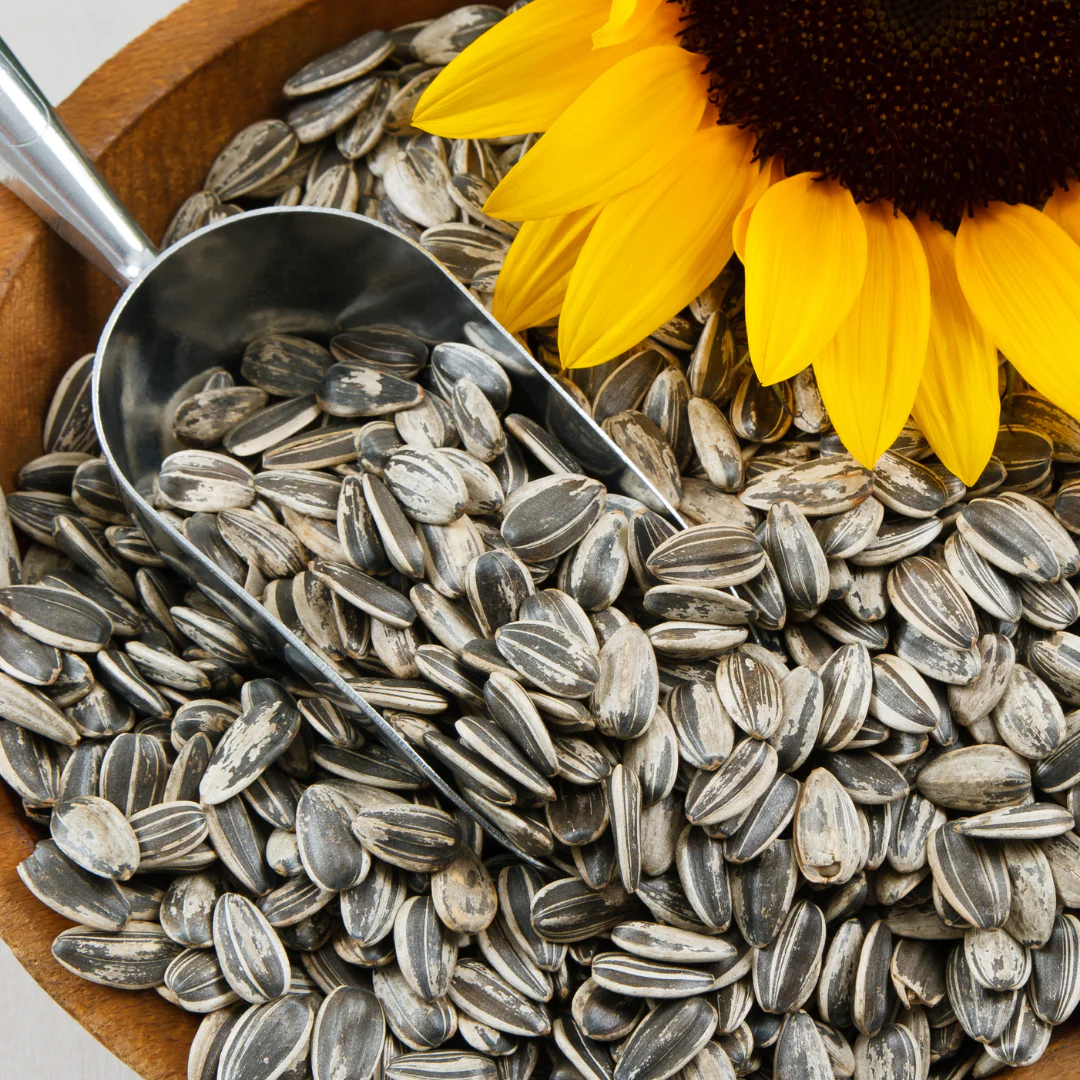
Sunflower seeds, specifically those processed by the 361/363/601 factory, represent a significant commodity within the global food and agricultural supply chain. This technical guide focuses on the intricacies of sunflower seed processing, encompassing varietal characteristics, quality control parameters, storage considerations, and associated industry standards. Sunflower seeds are categorized into several types – confectionary, oilseed, and hybrid – each demanding distinct processing protocols. The 361/363/601 factory specializes in the preparation of confectionary sunflower seeds, a segment critically dependent on maintaining kernel integrity, minimizing hull damage, and ensuring compliance with stringent food safety regulations. Kernel size, oil content, protein content, and moisture level are key performance indicators dictating the suitability for consumption. The primary challenge in sunflower seed processing lies in balancing maximizing yield with preserving nutritional value and preventing mycotoxin contamination. This document will explore these factors in detail, providing a comprehensive technical overview for industry professionals and quality assurance personnel.
Material Science & Manufacturing
The primary raw material, Helianthus annuus seeds, exhibits significant compositional variability based on genotype, growing conditions, and maturity stage. The hull, or pericarp, is composed primarily of cellulose and lignin, providing structural protection. Kernels consist of approximately 40-55% oil (primarily linoleic acid), 20-25% protein, 10-15% carbohydrates, and residual moisture. Manufacturing begins with harvesting, typically utilizing combine harvesters equipped with seed-specific heads. Post-harvest, seeds undergo cleaning to remove debris, stalks, and foreign matter. Drying is crucial, targeting a moisture content of 8-10% to inhibit mold growth and enzymatic activity. This is typically achieved using forced-air dryers, controlling temperature and airflow to prevent heat damage. Dehulling is a critical step for confectionary seeds, employing friction-based or impact-based dehullers. Parameter control during dehulling is paramount; excessive force leads to kernel breakage, reducing quality and increasing waste. Seed sizing and grading follow, separating seeds based on kernel size and shape using screens and optical sorters. Further processing involves surface treatment, often involving vegetable oil coating for improved appearance and palatability. Finally, seeds are packaged in moisture-barrier materials to maintain quality during storage and transport. Precise control of temperature, humidity, and air velocity throughout the process are critical to prevent lipid oxidation and maintain organoleptic properties.
Performance & Engineering
The performance of sunflower seeds, particularly confectionary varieties, is assessed through multiple engineering parameters. Hull strength, measured using impact testing, directly correlates with dehulling efficiency and kernel damage. Kernel hardness, evaluated using compression tests, influences breakage during handling and processing. The tensile strength of the seed coat is also a critical factor in maintaining kernel integrity. Environmental resistance is primarily related to moisture sensitivity; high humidity promotes mold growth and aflatoxin production. Packaging materials must therefore exhibit low water vapor transmission rates (WVTR). Shelf-life stability is governed by lipid oxidation rates, which are accelerated by exposure to oxygen, light, and elevated temperatures. Packaging incorporating oxygen absorbers and UV-blocking agents can mitigate these effects. Compliance requirements are dictated by food safety standards (see Section 7). Engineering considerations also extend to the design of processing equipment; dehullers must be optimized to minimize kernel damage while maximizing hull removal efficiency. Drying systems must ensure uniform moisture reduction without causing thermal degradation. Force analysis is used to determine optimal operating parameters for each stage of processing, balancing throughput with product quality.
Technical Specifications
| Parameter | Unit | Specification (361 Variety) | Specification (363 Variety) |
|---|---|---|---|
| Kernel Moisture Content | % | 8.0 – 9.5 | 7.5 – 8.5 |
| Kernel Oil Content (Dry Basis) | % | 48 – 52 | 50 – 54 |
| Kernel Protein Content (Dry Basis) | % | 20 – 24 | 22 – 26 |
| Kernel Size (Screen Size) | mm | 14.0 – 16.0 | 16.0 – 18.0 |
| Hull Damage (Broken Kernels) | % | ≤ 3.0 | ≤ 2.0 |
| Aflatoxin Level (B1, B2, G1, G2) | ppb | ≤ 20 | ≤ 15 |
Failure Mode & Maintenance
Sunflower seed failures can arise from various mechanisms. Fatigue cracking of the hull during processing can lead to kernel exposure and subsequent lipid oxidation. Delamination of the kernel, often caused by rapid drying or excessive dehulling force, reduces quality. Degradation of oil due to enzymatic activity or oxidation results in rancidity and reduced nutritional value. Oxidation is accelerated by exposure to oxygen, light, and high temperatures, impacting flavor and color. Mycotoxin contamination, particularly with aflatoxins, poses a significant food safety risk. Preventive maintenance of processing equipment is crucial. This includes regular inspection and replacement of worn dehuller components, cleaning and calibration of sorting equipment, and maintenance of drying system temperature and airflow controls. Storage facilities must be maintained in a cool, dry, and well-ventilated condition to minimize mold growth. Regular monitoring of moisture content, oil quality, and aflatoxin levels is essential for quality control. Implementing a robust Hazard Analysis and Critical Control Points (HACCP) plan is critical for preventing food safety hazards. Periodic equipment calibration, lubrication of moving parts, and filter replacement are vital for ensuring operational efficiency and minimizing product contamination.
Industry FAQ
Q: What is the optimal moisture content for long-term storage of confectionary sunflower seeds?
A: The optimal moisture content for long-term storage is between 8.0% and 9.5%. Maintaining this range minimizes the risk of mold growth, insect infestation, and lipid oxidation, thereby preserving quality and extending shelf life.
Q: How does hull damage impact the market value of sunflower seeds?
A: Hull damage, indicated by a high percentage of broken kernels, significantly reduces market value. Broken kernels are more susceptible to oxidation, rancidity, and contamination, lowering their quality and acceptability for consumers. Furthermore, damaged hulls can lead to increased processing losses.
Q: What are the key factors influencing aflatoxin contamination in sunflower seeds?
A: Aflatoxin contamination is primarily influenced by pre-harvest conditions (drought stress), harvesting practices (mechanical damage), and post-harvest storage conditions (high temperature and humidity). Proper drying, storage in well-ventilated facilities, and regular monitoring are essential for minimizing aflatoxin risk.
Q: What types of packaging materials are recommended for maintaining sunflower seed quality during transport and storage?
A: Multi-layer packaging materials with excellent moisture barrier properties (e.g., metallized polyester, polyethylene) are recommended. Incorporating oxygen absorbers and UV-blocking agents can further enhance shelf life stability by minimizing oxidation and degradation.
Q: What analytical methods are used to determine the oil content of sunflower seeds?
A: The Soxhlet extraction method is the most common analytical technique for determining oil content. Near-infrared (NIR) spectroscopy is also increasingly used for rapid, non-destructive oil content analysis. Both methods provide accurate and reliable results.
Conclusion
The successful processing of sunflower seeds, particularly those produced by the 361/363/601 factory, hinges on a comprehensive understanding of material science, engineering principles, and stringent quality control measures. Maintaining optimal moisture content, minimizing kernel damage during dehulling, and preventing mycotoxin contamination are paramount concerns. Adherence to international standards and implementation of a robust HACCP plan are essential for ensuring food safety and delivering a high-quality product.
Future advancements in sunflower seed processing may focus on improved dehulling technologies that minimize kernel damage, the development of more effective antioxidant packaging materials, and the application of predictive modeling to optimize drying and storage conditions. Continued research into varietal characteristics and the identification of genotypes with enhanced resistance to mold growth and aflatoxin production will also be crucial for improving the overall sustainability and economic viability of the sunflower seed industry.
