Introduction
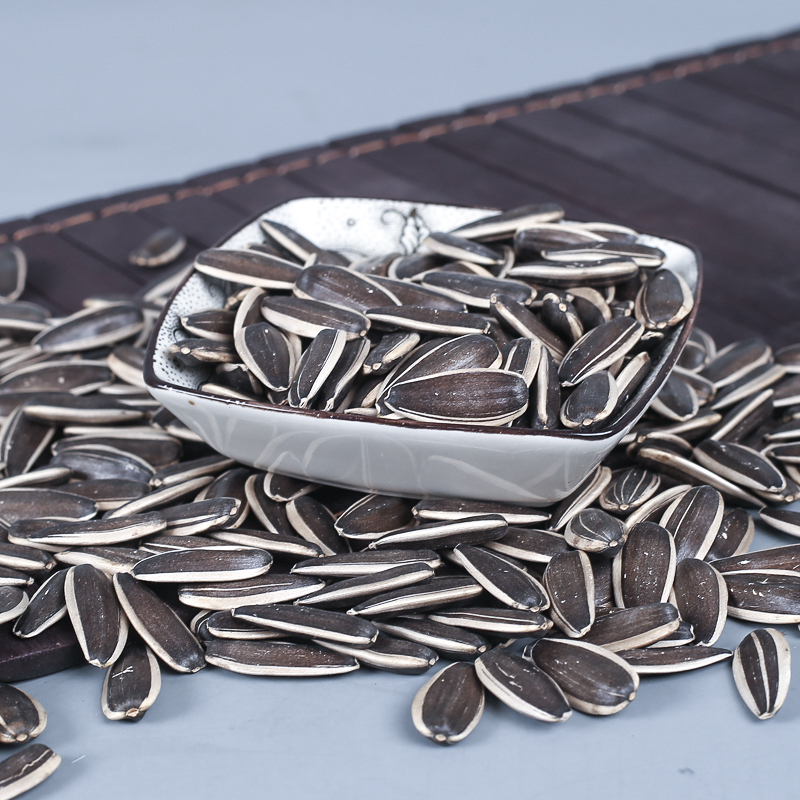
Sunflower seeds 361/363/601 factories represent a significant sector within the agricultural processing industry, specializing in the de-hulling, grading, processing, and packaging of sunflower seeds for both human consumption and industrial applications (oil extraction, bird feed). These facilities operate within a complex supply chain, beginning with agricultural cultivation and extending to distribution networks supplying food manufacturers, snack food producers, and agricultural commodity markets. Core performance characteristics defining the industry include seed quality (oil content, protein content, kernel size, hulling percentage), processing efficiency (throughput, waste minimization), and adherence to stringent food safety regulations. The differentiation between the 361, 363, and 601 designations typically refers to seed size and oil content variations, impacting processing parameters and end-product application. A primary industry pain point is maintaining consistent seed quality in the face of variable agricultural yields and environmental factors. Another key challenge is optimizing processing parameters to maximize oil yield while minimizing seed damage and waste. Maintaining sanitary conditions and preventing aflatoxin contamination are also critical concerns.
Material Science & Manufacturing
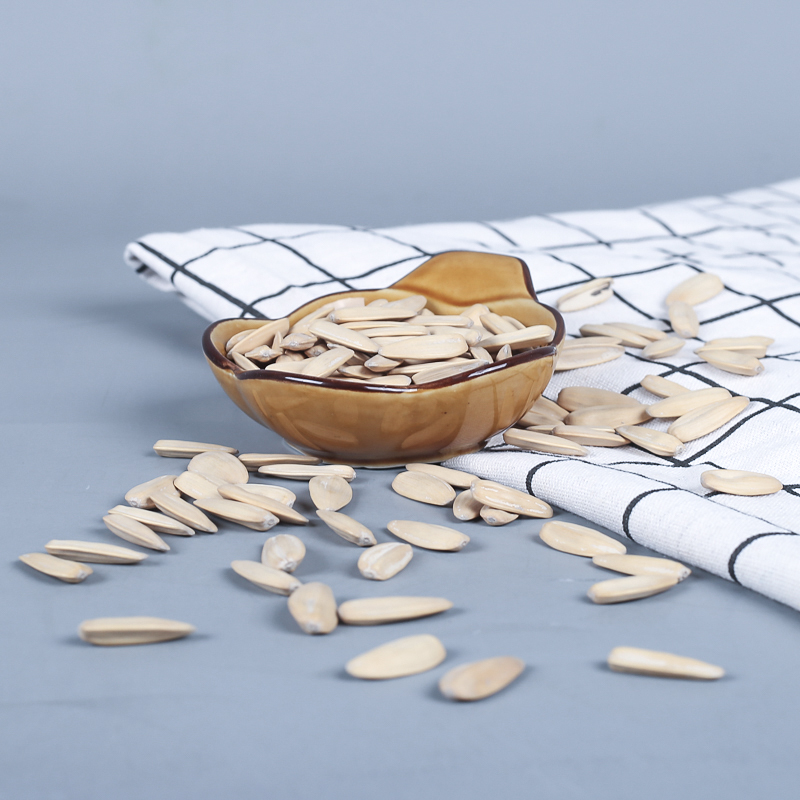
The primary raw material, sunflower seeds, exhibits significant compositional variability based on cultivar, growing conditions, and maturity stage. Key components include the seed coat (hull), kernel (cotyledon), and embryo. The hull, composed primarily of cellulose and lignin, presents challenges during de-hulling due to its structural rigidity and variable thickness. The kernel is rich in lipids (primarily linoleic acid, oleic acid, and palmitic acid), proteins, carbohydrates, and minor components like phytosterols and vitamin E. Manufacturing processes begin with receiving and cleaning the raw seeds to remove foreign matter (stalks, leaves, stones). De-hulling is a crucial step, typically accomplished through impact or friction-based methods. Impact de-hullers utilize high-speed rotating abrasive surfaces, while friction de-hullers employ rotating drums with internal paddles. Parameter control is paramount; optimal impact speed and drum rotation rate are crucial to maximize hull removal without damaging the kernel. Following de-hulling, seeds undergo grading based on size and density, typically using screens or air separators. Further processing may include color sorting (removing discolored or damaged seeds), surface treatment (polishing, coating), and drying to reduce moisture content and prevent spoilage. Drying utilizes controlled-temperature air flow and requires careful monitoring to avoid overheating and lipid oxidation. Chemical compatibility is a concern with conveying and processing equipment materials; stainless steel is preferred to minimize corrosion and contamination.
Performance & Engineering
Performance of sunflower seed processing lines is evaluated based on several key metrics. Throughput (tons per hour) is a primary indicator of efficiency, directly impacting production costs. Hulling efficiency (percentage of hulls removed) influences the yield of kernel and the quality of the resulting product. Kernel damage (measured as percentage of broken or chipped kernels) is a critical quality parameter, as damaged kernels are more susceptible to rancidity and have reduced nutritional value. Force analysis is important in designing de-hulling equipment. The impact force required to effectively remove the hull must be balanced against the fragility of the kernel. Environmental resistance is a factor in storage; maintaining low humidity and temperature is essential to prevent mold growth and lipid oxidation. Compliance requirements are stringent, governed by food safety regulations such as HACCP (Hazard Analysis and Critical Control Points) and relevant regional standards. Functional implementation of quality control systems involves continuous monitoring of moisture content, oil content, and aflatoxin levels. Aflatoxin, a potent mycotoxin produced by Aspergillus fungi, poses a significant health hazard and requires rigorous monitoring and mitigation strategies (e.g., seed sorting, chemical treatment, proper drying and storage).
Technical Specifications
| Seed Grade | Oil Content (%) | Kernel Size (mm) | Moisture Content (%) | Hulling Rate (%) | Aflatoxin Level (ppb) |
|---|---|---|---|---|---|
| 361 | 48-52 | 12-14 | 8-10 | 95-98 | < 5 |
| 363 | 46-50 | 10-12 | 8-10 | 94-97 | < 5 |
| 601 | 52-56 | 14-16 | 8-10 | 96-99 | < 5 |
| Standard Deviation (Oil Content) | ±1.5 | N/A | N/A | N/A | N/A |
| Acceptable Hull Damage (%) | < 3 | N/A | N/A | N/A | N/A |
| Maximum Foreign Material (%) | < 0.5 | N/A | N/A | N/A | N/A |
Failure Mode & Maintenance
Common failure modes in sunflower seed processing equipment include fatigue cracking in de-hulling rotors and drums, bearing failure due to inadequate lubrication or overloading, and motor burnout due to overheating or voltage fluctuations. Kernel damage, while not a ‘failure’ of the equipment, represents a process failure leading to product loss. Aflatoxin contamination is a critical failure mode representing a food safety hazard. Preventative maintenance is crucial. Regular inspection of de-hulling components for wear and tear is essential. Lubrication of bearings should be performed according to manufacturer’s specifications. Electrical connections should be checked for tightness and corrosion. Cleaning of processing lines is paramount to prevent mold growth and cross-contamination. Failure analysis of damaged components should be conducted to identify root causes and implement corrective actions. For example, fatigue cracking in a rotor may indicate excessive stress or material defects. Aflatoxin contamination failures require thorough investigation of seed sources, storage conditions, and processing procedures. Regular calibration of sensors (moisture content, temperature) is also vital for maintaining process control.
Industry FAQ
Q: What are the key factors influencing oil yield in sunflower seed processing?
A: Oil yield is influenced by seed variety (oil content), seed maturity stage (higher oil content at full maturity), pre-treatment methods (optimal drying and tempering), and de-hulling efficiency (minimizing kernel damage). Mechanical pressing parameters (pressure, temperature) and solvent extraction techniques (if employed) also significantly affect oil recovery.
Q: How is aflatoxin contamination monitored and controlled?
A: Aflatoxin levels are monitored through regular sampling and analysis using ELISA or HPLC methods. Control measures include sourcing seeds from regions with low aflatoxin risk, implementing strict quality control during seed procurement, ensuring proper drying and storage conditions, and employing sorting techniques to remove contaminated seeds. Some facilities also utilize chemical treatment with ammonia or organic acids to reduce aflatoxin levels, although regulations regarding such treatments vary.
Q: What are the main considerations when selecting materials for processing equipment?
A: Materials must be food-grade, corrosion-resistant, and durable. Stainless steel (304 or 316) is preferred for components in contact with seeds to prevent contamination and corrosion. Abrasion-resistant materials are required for de-hulling components. Proper material selection also considers cost, availability, and ease of maintenance.
Q: What is the role of drying in sunflower seed processing?
A: Drying reduces moisture content to prevent spoilage, inhibit mold growth, and improve storage stability. Optimal moisture content for storage is typically 8-10%. However, excessive drying can lead to kernel cracking and reduced oil yield. Controlled-temperature drying is essential to preserve seed quality.
Q: How does seed size (361, 363, 601) impact processing parameters?
A: Different seed sizes require adjustments to de-hulling parameters (impact speed, drum rotation rate) and grading screen sizes. Larger seeds (601) generally require higher impact forces for effective de-hulling, while smaller seeds (363) may be more susceptible to damage. Grading systems must be calibrated to accurately separate seeds based on size.
Conclusion
Sunflower seed processing, specifically within 361/363/601 factories, necessitates a meticulous approach to material science, manufacturing process control, and quality assurance. Optimizing de-hulling efficiency while minimizing kernel damage and preventing aflatoxin contamination are paramount concerns. Effective preventative maintenance and adherence to stringent food safety standards are crucial for ensuring product quality and regulatory compliance. The technical specifications outlined demonstrate the critical interplay between seed characteristics and processing parameters.
Future advancements in sunflower seed processing are likely to focus on automated sorting systems utilizing machine vision, improved drying technologies to minimize energy consumption and preserve seed quality, and the development of predictive maintenance strategies based on sensor data analysis. Furthermore, research into novel de-hulling methods that reduce kernel damage and increase oil yield will continue to be a priority. The industry's ongoing success hinges on continuous innovation and a commitment to sustainable and safe processing practices.
