Introduction
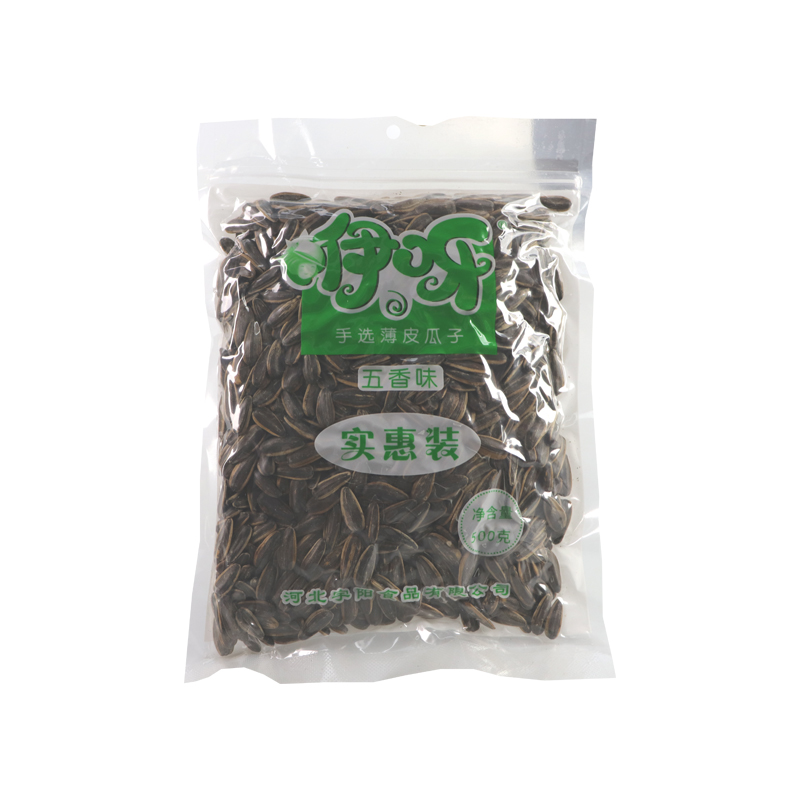
Sunflower seeds, categorized as 361, 363, and 601 varieties, represent a significant commodity within the global agricultural market, particularly for exporters. These designations refer to kernel size and oil content, impacting their applications in confectionary, oil extraction, and animal feed. This guide provides a comprehensive technical overview for exporters navigating the complexities of sunflower seed quality control, processing, international standards, and potential failure modes. The sunflower seed industry faces critical challenges relating to aflatoxin contamination, kernel damage during harvesting and processing, and maintaining consistent oil yield. Understanding the nuanced characteristics of each variety – 361 (largely confectionary), 363 (intermediate use), and 601 (primarily oilseed) – is paramount for market positioning and fulfilling contractual obligations. This document details the essential parameters for ensuring quality, minimizing losses, and maximizing profitability for sunflower seeds 361/363/601 exporters.
Material Science & Manufacturing
Sunflower seeds comprise a complex biological matrix primarily consisting of lipids (35-55%), proteins (18-25%), carbohydrates (15-20%), and fiber (5-10%). The kernel’s hull, or pericarp, is composed largely of cellulose and lignin, providing structural integrity but also impacting oil extraction efficiency. The oil itself is rich in linoleic acid (a polyunsaturated omega-6 fatty acid) and oleic acid (a monounsaturated fatty acid), with the ratio varying significantly between varieties. Manufacturing begins with field cultivation and harvesting, critically impacting seed quality. Premature harvesting results in underdeveloped kernels with low oil content, while delayed harvesting increases susceptibility to fungal growth and insect damage. Mechanical harvesting typically involves combine harvesters, which can cause kernel fracturing and husk contamination if not properly calibrated. Post-harvest processing includes cleaning (removal of stems, leaves, and foreign matter), drying (to reduce moisture content to 8-10% for safe storage – typically using forced-air dryers), dehulling (removal of the hull, especially important for confectionary varieties), and sizing/grading (based on kernel dimensions). Dehulling processes include impact dehulling and abrasive dehulling, each influencing kernel damage rates. Key parameters during drying include temperature (avoiding excessive heat to prevent lipid oxidation) and airflow (ensuring uniform drying). Seed coating with polymers is sometimes employed to improve flowability and protect against insect infestation, demanding careful consideration of coating material compatibility with food safety regulations.
Performance & Engineering
Sunflower seed performance is fundamentally linked to its physical and chemical properties. Kernel hardness, measured using durometry, influences dehulling efficiency and susceptibility to cracking during processing. Oil content, determined via Soxhlet extraction or near-infrared spectroscopy, dictates the yield for oilseed varieties. Moisture content, critical for storage stability, is assessed using moisture analyzers and must be maintained below 10% to prevent fungal growth (particularly Aspergillus flavus, which produces aflatoxins). Aflatoxin contamination is a major concern and necessitates rigorous testing throughout the supply chain using ELISA or HPLC methods. Force analysis during dehulling reveals the optimal force required to separate the kernel from the hull without causing damage. Environmental resistance concerns include susceptibility to insect infestation (e.g., storage beetles) and microbial spoilage. Proper storage conditions – low temperature (below 15°C) and low humidity – are crucial for maintaining seed quality. Compliance requirements vary by importing country, but generally include regulations regarding pesticide residues (e.g., Maximum Residue Limits – MRLs), heavy metal content, and aflatoxin levels. Furthermore, packaging must conform to food-grade standards and provide adequate protection against moisture and physical damage. Engineering considerations for bulk handling involve minimizing seed breakage during conveying and storage, typically employing gentle handling systems and optimized bin designs.
Technical Specifications
| Parameter | 361 (Confectionery) | 363 (Intermediate) | 601 (Oilseed) | Test Method |
|---|---|---|---|---|
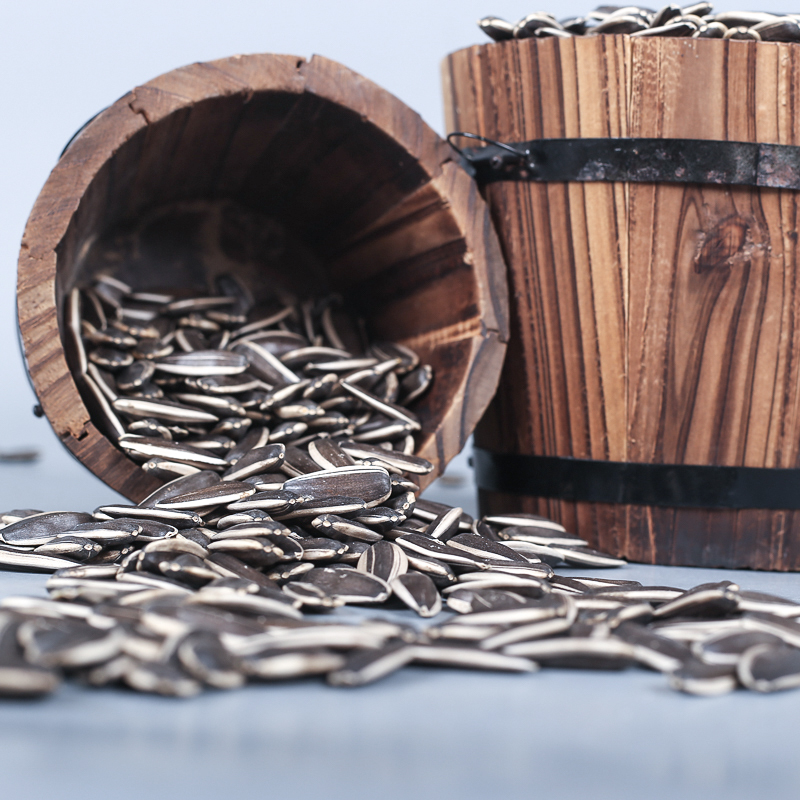
| Kernel Size (mm) | 10-12 mm | 8-10 mm | 6-8 mm | Sieve Analysis |
| Oil Content (%) | 40-45% | 45-50% | 50-55% | Soxhlet Extraction |
| Moisture Content (%) | < 8.0% | < 8.0% | < 8.0% | Moisture Analyzer |
| Aflatoxin Level (ppb) | < 4 ppb | < 4 ppb | < 4 ppb | ELISA/HPLC |
| Kernel Hardness (Durometer) | 60-70 Shore D | 50-60 Shore D | 40-50 Shore D | Durometer |
| Foreign Matter (%) | < 1.0% | < 1.0% | < 1.0% | Visual Inspection |
Failure Mode & Maintenance
Sunflower seeds are susceptible to several failure modes throughout the export chain. Fatigue cracking can occur during handling and transportation due to repeated stress. This is exacerbated by low moisture content and high kernel hardness. Aflatoxin contamination is a major biological failure mode, initiated by fungal infection during pre-harvest or post-harvest stages. Delamination (separation of the kernel from the hull) results in processing inefficiencies and potential quality downgrades. Oxidation of lipids leads to rancidity, reducing oil quality and nutritional value; this is accelerated by exposure to oxygen, light, and heat. Insect infestation causes direct losses and can introduce secondary microbial contamination. Maintenance strategies include strict quality control measures at each stage of processing – meticulous cleaning, optimal drying conditions, and effective pest management. Regular monitoring of aflatoxin levels is crucial, with prompt rejection of contaminated lots. Proper storage practices – temperature and humidity control – are essential for preventing spoilage. Implementing a robust traceability system allows for rapid identification and isolation of defective batches. Preventative maintenance of processing equipment (e.g., combine harvesters, dehullers, dryers) minimizes seed damage and ensures consistent quality. Routine inspections for insect activity and signs of fungal growth are vital.
Industry FAQ
Q: What are the acceptable limits for aflatoxin contamination, and what testing methods are considered reliable for export compliance?
A: The acceptable limits for aflatoxin contamination vary by importing country, but generally adhere to regulations set by the Codex Alimentarius Commission, typically <4 ppb for total aflatoxins. Reliable testing methods include Enzyme-Linked Immunosorbent Assay (ELISA) for rapid screening and High-Performance Liquid Chromatography (HPLC) with fluorescence detection for quantitative analysis. Accreditation of the testing laboratory to ISO/IEC 17025 standards is crucial for ensuring data validity and acceptance by regulatory authorities.
Q: How does kernel size distribution impact the market value of sunflower seeds, specifically for the 361 variety?
A: Kernel size distribution is a critical quality parameter, particularly for confectionery-grade (361) sunflower seeds. Larger, uniform kernels command a premium price due to their aesthetic appeal and consumer preference for ease of shelling. Significant variation in kernel size can lead to processing difficulties and lower market value. Precise sizing and grading during post-harvest processing are essential for maximizing profitability.
Q: What are the key differences in oil extraction efficiency between 361, 363, and 601 varieties, and how does dehulling influence this process?
A: 601, with its higher oil content, generally exhibits the highest oil extraction efficiency, followed by 363. 361, primarily a confectionery seed, has a lower oil content and is typically extracted at a lower rate. Effective dehulling significantly improves oil extraction efficiency for all varieties by reducing fiber content and facilitating oil release. However, aggressive dehulling can cause kernel damage and reduce oil quality.
Q: What packaging materials are recommended for long-term storage and international transport of sunflower seeds to prevent moisture absorption and oxidation?
A: High-density polyethylene (HDPE) bags with polyethylene liners are commonly used for bulk packaging. For smaller quantities, multi-layer paper bags with an inner polyethylene liner provide adequate protection. Vacuum packaging or modified atmosphere packaging (MAP) with nitrogen flushing can further reduce oxidation. Packaging materials should be food-grade, airtight, and capable of withstanding the rigors of international transport.
Q: What are the common causes of seed dormancy issues in sunflower seeds, and how can these be addressed to ensure high germination rates for seed-specific exports?
A: Seed dormancy in sunflower seeds can be caused by the presence of phenolic compounds in the hull or embryo, improper maturation, or unfavorable storage conditions. Addressing these issues involves thorough seed cleaning to remove hull fragments, ensuring seeds are harvested at physiological maturity, and maintaining optimal storage conditions (low temperature and humidity). Stratification (cold, moist storage) can sometimes break dormancy, but is generally not necessary for commercial varieties.
Conclusion
The successful export of sunflower seeds 361/363/601 hinges upon a meticulous understanding of their material science, manufacturing processes, and critical performance parameters. Maintaining optimal moisture content, controlling aflatoxin contamination, and ensuring consistent kernel quality are paramount for meeting international standards and fulfilling customer expectations. Exporters must implement robust quality control systems throughout the supply chain, from field cultivation to final packaging, to mitigate failure modes and maximize profitability.
Future trends in the sunflower seed industry will likely focus on developing varieties with improved oil profiles, enhanced disease resistance, and increased yields. Adopting precision agriculture techniques and implementing advanced data analytics will be crucial for optimizing production efficiency and minimizing environmental impact. Staying abreast of evolving regulatory requirements and proactively addressing sustainability concerns will be essential for maintaining a competitive edge in the global market.
