Introduction
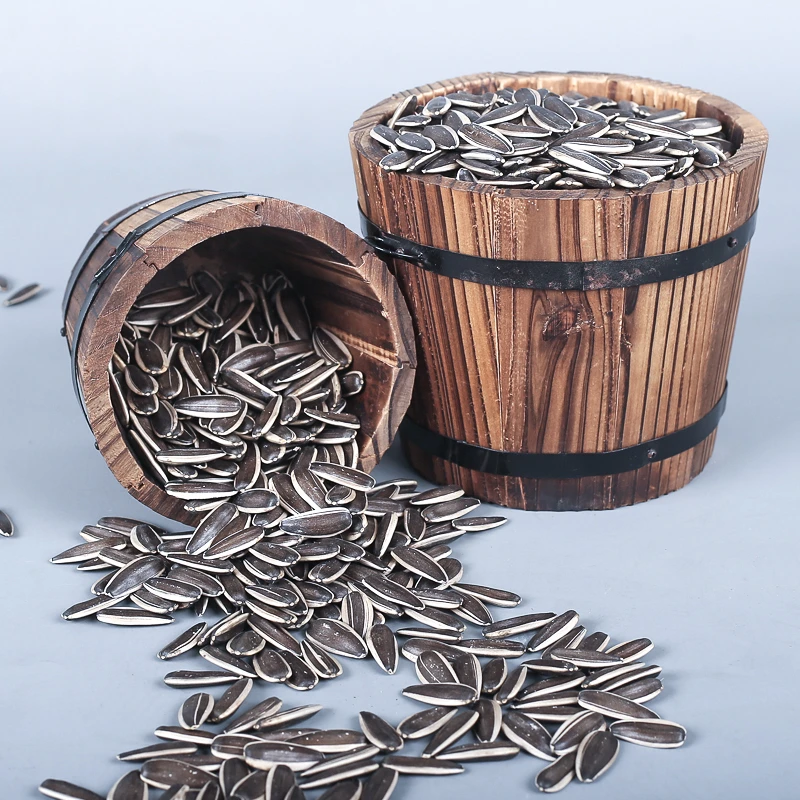
Sunflower seed snacks represent a significant segment within the broader snack food industry, with suppliers catering to both retail and food processing sectors. These suppliers are involved in the sourcing, processing, flavoring, and packaging of sunflower seeds for direct consumption. The industry is driven by demand for healthy, convenient snack options, and a growing consumer awareness of the nutritional benefits of sunflower seeds – namely their high Vitamin E content, healthy fats, and protein. Technical considerations for suppliers center on seed quality (oil content, kernel size, foreign material), processing efficiency (de-hulling, roasting, seasoning), packaging integrity (moisture barrier, shelf life extension), and adherence to food safety standards. This guide provides an in-depth exploration of the material science, manufacturing processes, performance parameters, and potential failure modes associated with sunflower seed snack production, aimed at informing procurement managers and technical personnel within the industry.
Material Science & Manufacturing
Sunflower seeds ( Helianthus annuus) are primarily composed of lipid (40-50%), protein (15-25%), carbohydrates (10-20%), and fiber (5-10%). The lipid composition is crucial, influencing both flavor and shelf life – a higher linoleic acid content (typically 60-70% of total fat) contributes to oxidative rancidity. Seed shells are comprised of cellulose, hemicellulose, and lignin, requiring robust mechanical de-hulling processes. Manufacturing commences with seed selection based on oil content (determined via Soxhlet extraction or near-infrared spectroscopy) and kernel size (screened using sieves). De-hulling utilizes impact and friction methods – rotary abraders and shellers are common. This process generates significant waste (shells), increasingly utilized for biofuel or animal feed. Roasting, typically at 120-180°C, is a critical step, developing flavor through Maillard reactions and reducing moisture content to below 5% for microbial stability. Seasoning involves tumbling seeds with liquid or powdered flavorings (salt, spices, coatings). Packaging employs multi-layer films (PET/PE, OPP/PE) optimized for moisture barrier and oxygen permeability. Key parameters in roasting include temperature control (+/- 2°C) to prevent scorching, residence time (controlled via conveyor speed), and airflow (ensuring uniform heating). Seasoning uniformity requires precise metering of flavoring agents and consistent tumbling action. Process control is vital to maintain consistent seed quality and prevent product defects.
Performance & Engineering
The performance of sunflower seed snacks hinges on several engineering principles. Mechanical strength of the seed kernel is a key factor during processing, influencing de-hulling efficiency and minimizing breakage. Force analysis during de-hulling requires consideration of impact force, friction coefficient, and seed shell tensile strength. Environmental resistance is paramount for shelf life. Moisture ingress accelerates rancidity and promotes microbial growth. Packaging barrier properties (Water Vapor Transmission Rate – WVTR, Oxygen Transmission Rate – OTR) are therefore critical, with target values typically below 3 g/m²/day and 2 cm³/m²/day respectively. Compliance requirements dictate strict adherence to food safety regulations (HACCP, GMP), including control of Salmonella and Aflatoxin levels. Roasting processes must ensure adequate pasteurization. Flavor adhesion is a functional implementation detail, reliant on the viscosity and surface tension of the coating solution, and optimized via controlled spraying and tumbling parameters. Seed shape and size consistency are also important for efficient packaging and automated handling within manufacturing lines. Palatability, assessed through sensory panels, contributes to consumer acceptance and drives product formulation.
Technical Specifications
| Parameter | Unit | Typical Value | Acceptable Range |
|---|---|---|---|
| Oil Content | % (Dry Weight Basis) | 45 | 40-50 |
| Moisture Content | % | 3 | 2-5 |
| Kernel Size (Average) | mm | 12 | 10-15 |
| Peroxide Value (PV) | meq O2/kg | 2 | <5 |
| Acidity (as Oleic Acid) | % | 0.5 | <1.0 |
| WVTR (Packaging Film) | g/m²/day | 2.5 | <3.0 |
Failure Mode & Maintenance
Sunflower seed snacks are susceptible to several failure modes. Rancidity, induced by lipid oxidation, is a primary concern, manifesting as off-flavors and reduced nutritional value. This is accelerated by high temperatures, light exposure, and oxygen permeability. Microbial contamination (molds, bacteria) can occur due to insufficient roasting or moisture ingress, leading to spoilage and potential health hazards. Kernel breakage during processing reduces product yield and aesthetic appeal. Flavor loss can occur during storage, particularly with volatile flavorings. Packaging failure (seal defects, punctures) compromises barrier properties and accelerates degradation. Maintenance strategies include regular cleaning and sanitation of processing equipment to prevent microbial buildup. Temperature and humidity control throughout the processing and storage chain are critical. Implementing a robust quality control system, including periodic testing for peroxide value and microbial load, is essential. Packaging materials should be inspected for defects before use. Preventative maintenance on roasting and seasoning equipment, including bearing lubrication and temperature sensor calibration, minimizes downtime and ensures consistent product quality. Proper storage conditions – cool, dry, and dark – are paramount for extending shelf life.
Industry FAQ
Q: What is the primary factor influencing the shelf life of roasted sunflower seeds?
A: The primary factor is the rate of lipid oxidation, leading to rancidity. This is significantly impacted by moisture content, oxygen exposure (permeability of packaging), temperature, and the initial quality of the seeds (specifically, their peroxide value). Minimizing these factors through appropriate processing and packaging is crucial for extending shelf life.
Q: How do you ensure consistent flavor application during the seasoning process?
A: Consistent flavor application requires precise metering of the seasoning solution, controlled drum speed to ensure even tumbling, and proper atomization of liquid flavorings. Regular calibration of metering pumps and monitoring of drum rotation speed are vital. Batch-to-batch variability in seasoning ingredients must also be considered and accounted for.
Q: What are the key considerations when selecting packaging materials for sunflower seed snacks?
A: The key considerations are barrier properties – specifically, low WVTR and OTR – to prevent moisture ingress and oxidation. The material must also be food-grade, heat-sealable, and possess adequate mechanical strength to withstand handling and transportation. Cost-effectiveness is also a factor, balanced against performance requirements.
Q: What are the critical control points for food safety in sunflower seed snack production?
A: Critical control points include seed sourcing (assessing for Aflatoxin and other contaminants), de-hulling (removing foreign materials), roasting (achieving sufficient pasteurization), seasoning (preventing cross-contamination), and packaging (maintaining barrier integrity). HACCP plans should be implemented and regularly reviewed.
Q: How can we minimize kernel breakage during the de-hulling process?
A: Minimizing kernel breakage involves optimizing the impact force and friction parameters within the de-hulling equipment. Adjusting sheller speed, gap settings, and abrasive surface characteristics can reduce breakage. Seed quality (moisture content and maturity) also plays a role – drier, more mature seeds tend to be more brittle.
Conclusion
Sunflower seed snack production is a complex process demanding careful attention to material science, engineering principles, and quality control. The success of suppliers hinges on their ability to consistently deliver a safe, palatable, and shelf-stable product. Maintaining optimal oil content, moisture levels, and barrier properties are paramount. Rigorous adherence to food safety standards, combined with meticulous process control and proactive maintenance, are essential for minimizing failure modes and maximizing product yield.
Looking forward, the industry will likely see increasing demand for organic and sustainably sourced sunflower seeds, driving innovation in processing and packaging technologies. Furthermore, advancements in coating technologies and flavor encapsulation could offer opportunities to enhance product differentiation and extend shelf life. Continuous improvement in process monitoring and data analytics will be crucial for optimizing efficiency and ensuring consistent product quality.
