Introduction
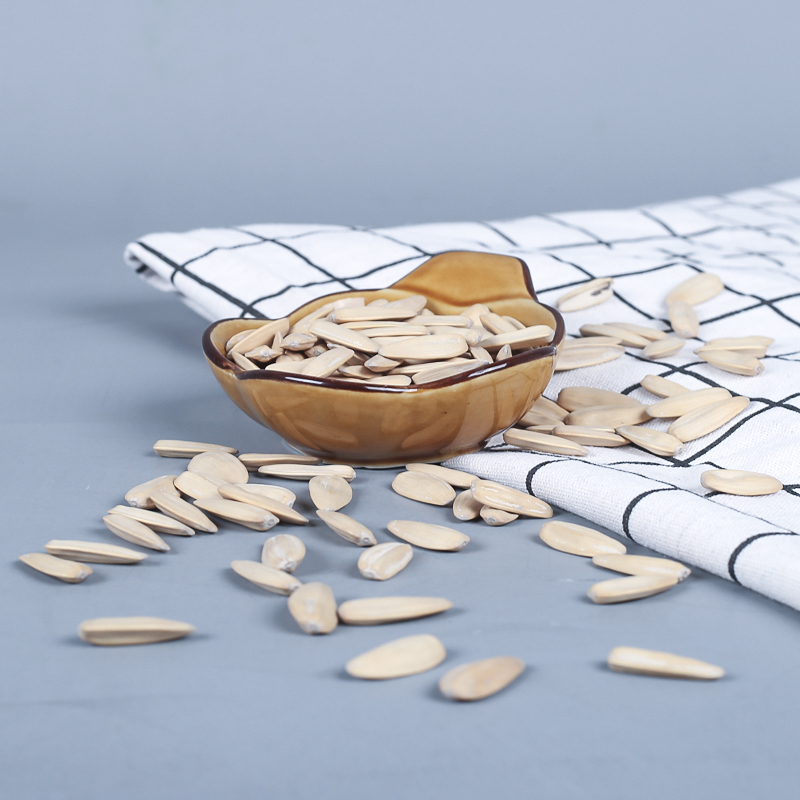
Sunflower seeds, a globally consumed snack, represent a significant segment within the broader agricultural products and processed foods industries. As a sunflower seed snacks supplier, the technical position centers around post-harvest processing, including cleaning, dehulling, grading, roasting, flavoring, and packaging. Core performance metrics revolve around seed quality (oil content, protein content, moisture content), snack palatability (texture, flavor profile, salt content), and food safety standards (microbial load, aflatoxin levels, foreign material contamination). The industry faces consistent pressure to optimize processing efficiency, minimize waste, and maintain product consistency in response to evolving consumer demands for healthier and more convenient snack options. Critical pain points include maintaining consistent kernel size and quality from varying harvests, ensuring proper roasting profiles to achieve desired texture and flavor without inducing acrylamide formation, and extending shelf life while minimizing the use of preservatives. Understanding these technical aspects is paramount for suppliers seeking to establish a competitive advantage.
Material Science & Manufacturing
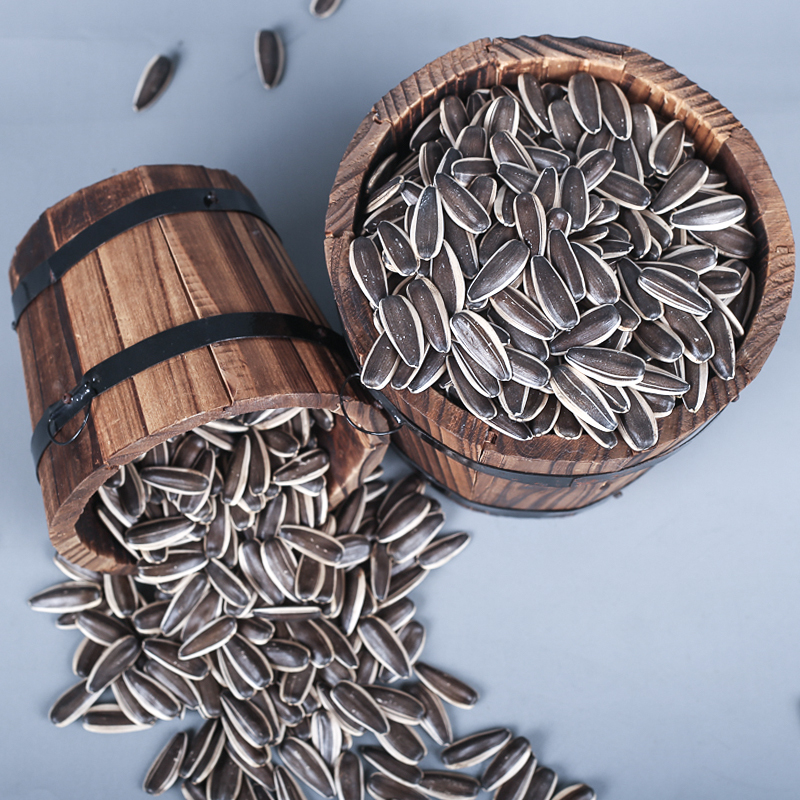
The raw material, sunflower seeds ( Helianthus annuus), exhibits inherent variability in chemical composition influenced by genetics, growing conditions (soil composition, climate), and harvesting techniques. Key components include lipids (40-50%, primarily linoleic acid), proteins (20-25%), carbohydrates (15-20%), and moisture (7-10%). Manufacturing begins with pre-cleaning to remove debris (stalks, leaves, stones) followed by grading based on kernel size and density, often utilizing screens and air separators. Dehulling is a critical step, typically employing mechanical abrasion or impact, the efficiency of which impacts yield and breakage rates. Roasting, the cornerstone of flavor development, involves endothermic reactions (Maillard reaction, caramelization) influenced by temperature, time, and moisture content. Temperature control is vital to prevent lipid oxidation and acrylamide formation. Flavoring systems often utilize dry blending of salt, spices, and flavor enhancers. Packaging is typically in flexible films (polypropylene, polyethylene) providing barrier protection against moisture, oxygen, and light. Parameter control during roasting – monitoring seed temperature via thermocouples and controlling airflow within the roaster – is critical. The manufacturing process must adhere to HACCP principles to mitigate biological, chemical, and physical hazards. The material strength of the packaging film, measured by tensile strength and puncture resistance, directly affects product protection during transport and storage.
Performance & Engineering
Performance evaluation extends beyond sensory attributes to encompass shelf life, structural integrity, and safety. Force analysis applies to both the dehulling process (quantifying force required to break the hull without damaging the kernel) and the packaging material (assessing compressive strength to withstand stacking and transportation). Environmental resistance focuses on maintaining product quality under varying temperature and humidity conditions. Moisture content control is crucial; excessive moisture leads to microbial growth, while insufficient moisture results in a stale texture. Packaging materials must exhibit adequate oxygen transmission rate (OTR) and water vapor transmission rate (WVTR) to prevent rancidity and maintain crispness. Compliance requirements are extensive, encompassing food safety regulations (FDA, EFSA), labeling standards (nutritional information, allergen declarations), and packaging material regulations (migration limits for plasticizers). The thermal stability of the oil within the sunflower seeds is a critical engineering parameter; lipid oxidation accelerates at elevated temperatures, leading to off-flavors. Finite element analysis (FEA) can be employed to optimize packaging design for maximum protection during distribution, accounting for impact forces and vibration.
Technical Specifications
| Parameter | Unit | Specification | Test Method |
|---|---|---|---|
| Moisture Content | % | ≤ 8.0 | AOAC 925.10 |
| Oil Content | % | ≥ 40.0 | Soxhlet Extraction (AOAC 920.39) |
| Kernel Size (Average Diameter) | mm | 12-16 | Sieve Analysis |
| Aflatoxin B1 | ppb | ≤ 20 | HPLC |
| Peroxide Value (Oil) | meq O₂/kg | ≤ 10 | AOCS Cd 8-53 |
| Salt Content | % | 1.0 - 2.5 (adjustable) | Argentometric Titration (AOAC 938.06) |
Failure Mode & Maintenance
Common failure modes include rancidity (caused by lipid oxidation), textural defects (staling, softening), shell fragments in the final product, and packaging failures. Rancidity is accelerated by exposure to oxygen, light, and heat. Staling results from moisture migration and changes in starch structure. Shell fragments arise from incomplete dehulling or kernel breakage during processing. Packaging failures include punctures, tears, and seal defects, leading to product contamination or loss of freshness. Preventative maintenance on processing equipment (dehullers, roasters, graders) is crucial, encompassing regular cleaning, lubrication, and inspection of wear parts. Roasters require precise temperature calibration and airflow monitoring. Packaging machinery demands consistent seal temperature and pressure settings. Quality control procedures should include regular sensory evaluations (taste, texture, odor) and chemical analyses (peroxide value, moisture content) to detect early signs of degradation. Shelf-life studies, conducted under accelerated storage conditions, are essential to determine optimal packaging configurations and storage recommendations. Root cause analysis (RCA) should be implemented for recurring failures to identify and address underlying systemic issues.
Industry FAQ
Q: What are the critical control points for aflatoxin contamination in sunflower seeds?
A: Aflatoxin contamination is a major food safety concern. Critical control points include pre-harvest monitoring of fields for mold growth, meticulous cleaning and grading of raw seeds to remove visibly moldy kernels, and maintaining low moisture content during storage. Regular testing using HPLC is crucial at multiple stages of the process to ensure compliance with regulatory limits.
Q: How do you mitigate acrylamide formation during the roasting process?
A: Acrylamide formation is a byproduct of the Maillard reaction at high temperatures. Mitigation strategies include optimizing roasting temperature and time (lower temperatures and shorter durations), controlling seed moisture content (higher moisture reduces acrylamide formation), and adding acrylamide reducing agents (as permitted by regulations).
Q: What packaging materials provide the best barrier properties for sunflower seed snacks?
A: Multi-layer films combining polypropylene (PP) or polyethylene (PE) with an aluminum foil layer or EVOH (ethylene vinyl alcohol) offer excellent barrier protection against oxygen, moisture, and light. The thickness and composition of each layer should be optimized based on the desired shelf life and storage conditions.
Q: How does kernel size variation impact the roasting process and final product quality?
A: Significant kernel size variation leads to inconsistent roasting. Smaller kernels roast faster and can become burnt, while larger kernels may remain undercooked. Precise grading and size separation are essential to ensure uniform roasting and optimal texture.
Q: What is the role of seed coating in enhancing product stability and consumer appeal?
A: Seed coatings, comprised of ingredients like starches, sugars, and flavorings, can improve product stability by providing a barrier against moisture and oxygen. They also enhance consumer appeal by adding flavor, color, and texture.
Conclusion
The sunflower seed snacks industry demands a sophisticated understanding of material science, processing engineering, and food safety principles. Maintaining consistently high product quality requires meticulous control over every stage of the supply chain, from raw material sourcing to final packaging. Addressing the inherent variability in sunflower seeds through advanced grading and processing technologies is paramount.
Continued innovation in packaging materials, roasting techniques, and flavoring systems will be crucial for meeting evolving consumer demands and maintaining a competitive edge. Adherence to stringent quality control procedures and international regulatory standards is non-negotiable. Proactive investment in research and development is essential for developing novel processing methods and sustainable packaging solutions.
