Introduction
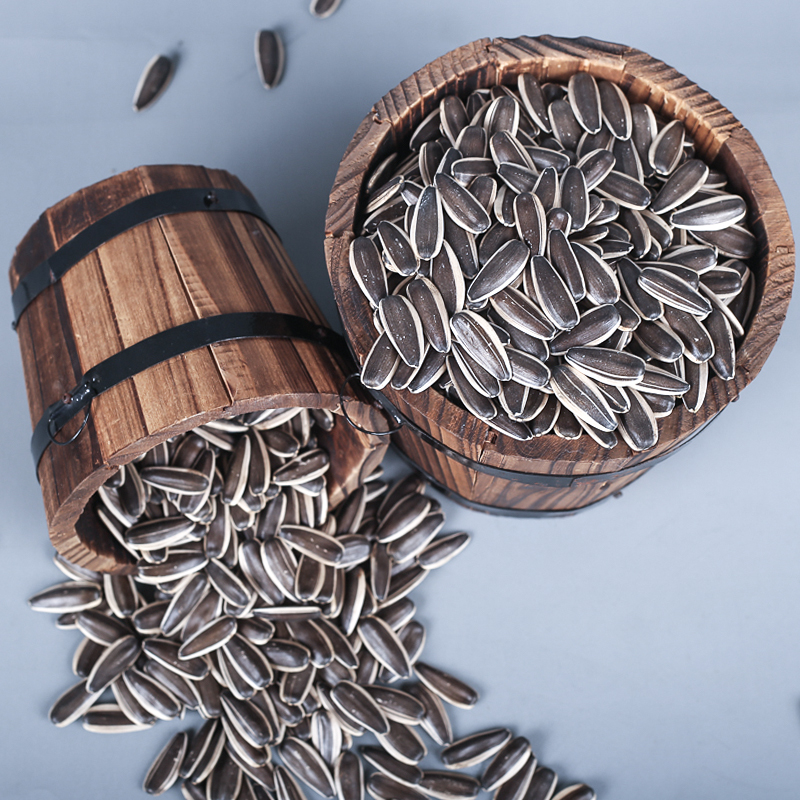
Sunflower seed snacks represent a significant segment within the broader snack food industry, positioned between commodity agricultural products and value-added consumer goods. These snacks, derived from the seeds of Helianthus annuus, are valued for their nutritional profile – notably their high content of vitamin E, magnesium, and healthy fats – and their convenient consumption format. The industry chain extends from agricultural cultivation and seed selection, through processing which includes dehulling, drying, flavoring, and packaging, ultimately reaching retail distribution channels. Core performance characteristics relate to seed maturity at harvest, oil content impacting flavor and texture, shell integrity during processing, and the stability of flavorings during storage. The increasing demand for healthier snack options, coupled with evolving flavoring preferences, drives continuous innovation within the sunflower seed snack market. A key industry challenge lies in consistently achieving optimal seed quality, minimizing shell fragments in the finished product, and ensuring product freshness and extended shelf life.
Material Science & Manufacturing
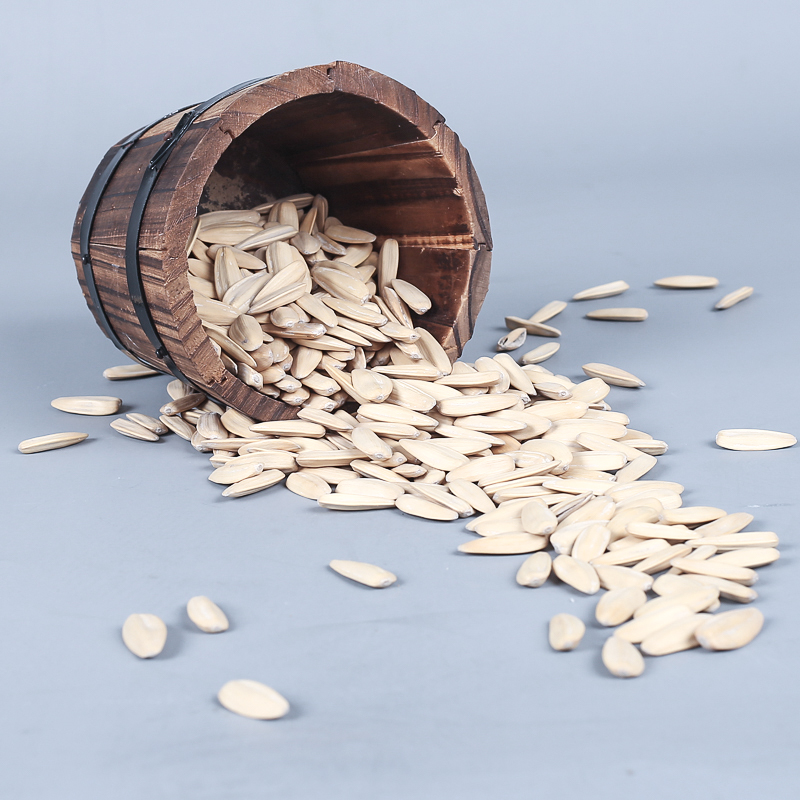
The primary raw material, sunflower seeds, exhibit variable physical and chemical properties dependent on variety, growing conditions, and maturity. Seed composition includes a hull (approximately 20-50% by weight), kernel (50-80%), and embryo. The kernel contains approximately 40-55% oil, primarily linoleic acid (a polyunsaturated omega-6 fatty acid), and oleic acid (a monounsaturated omega-9 fatty acid). Hull material consists largely of cellulose and lignin, influencing its brittleness and dehulling efficiency. Manufacturing begins with cleaning and grading seeds to remove foreign material and categorize by size and density. Dehulling is a critical step, typically achieved mechanically via impact or friction. Parameter control during dehulling is paramount: excessive force leads to kernel damage and increased shell fragments; insufficient force results in incomplete hull removal. Following dehulling, seeds undergo drying to reduce moisture content to 2-5% for improved storage stability. This is usually accomplished via controlled hot air convection. Flavoring application involves coating seeds with a slurry containing salt, spices, and often hydrolyzed vegetable protein (HVP) for enhanced adhesion and umami flavor. The slurry viscosity, coating rate, and drying temperature are key process parameters. Finally, packaging in moisture-barrier films (typically multi-layer laminates of PET, aluminum foil, and polyethylene) is essential to maintain product freshness and prevent rancidity due to oil oxidation.
Performance & Engineering
The performance of sunflower seed snacks is evaluated across several key areas. Firstly, shelling rate – the percentage of kernels successfully separated from the hull – is a critical metric impacting yield and consumer acceptability (high shell fragment content is undesirable). Force analysis during dehulling determines optimal impact parameters to minimize kernel damage. Secondly, oil stability (resistance to oxidation and rancidity) is essential for maintaining product quality over its shelf life. Antioxidants, such as tocopherols (vitamin E), are often added to enhance oil stability. Environmental resistance relates to moisture uptake, which can lead to clumping and microbial growth. Packaging materials must provide a robust moisture barrier. Compliance requirements involve adherence to food safety regulations (e.g., FDA in the US, EFSA in Europe), including limits on heavy metal contamination (lead, cadmium) and pesticide residues. Furthermore, allergen labeling is crucial if flavorings contain potential allergens (e.g., soy, wheat). Functional implementation considers the consistency of flavor coating, ensuring uniform distribution of seasonings. The shear strength of the coating determines its adherence during handling and consumption. Packaging engineering focuses on optimizing bag size, material thickness, and sealing integrity to minimize product damage during transportation and storage.
Technical Specifications
| Parameter | Specification | Test Method | Acceptance Criteria |
|---|---|---|---|
| Moisture Content (Kernel) | 2.0 – 5.0% | AOAC 925.10 | Within specified range for optimal shelf life |
| Oil Content (Kernel) | 45.0 – 55.0% | NMR Spectroscopy (ISO 13433) | Consistent flavor and texture |
| Shelling Rate | ≥ 95% | Visual Inspection & Weight Loss | Minimizes shell fragments for consumer preference |
| Peroxide Value (Oil) | ≤ 5.0 meq O2/kg | AOCS Cd 8-53 | Indicates level of oxidation; lower is better |
| Salt Content | 1.0 – 2.5% | Argentometric Titration | Meets flavor profile and regulatory limits |
| Shell Fragment Content | ≤ 2% by weight | Sieving Analysis | Ensures consumer acceptability and reduces choking hazard |
Failure Mode & Maintenance
Sunflower seed snacks are susceptible to several failure modes. Rancidity, caused by lipid oxidation, is a primary concern, manifesting as off-flavors and odors. This is accelerated by exposure to oxygen, light, and heat. Proper packaging and storage are crucial preventative measures. Kernel breakage during processing and handling results in fines and reduces product aesthetic appeal. Optimizing dehulling parameters and minimizing drop heights can mitigate this. Moisture absorption from the environment leads to clumping, textural changes, and microbial growth. Moisture-barrier packaging and controlled humidity storage are essential. Flavor degradation can occur due to volatilization of flavoring compounds or chemical reactions. High-quality flavorings and proper coating techniques enhance flavor retention. Microbial contamination, while less common with properly processed and packaged products, can occur if hygiene standards are not maintained. Regular sanitation procedures and quality control testing are vital. For maintenance, regular inspection of processing equipment (dehullers, dryers, coating machines) is necessary to identify and address wear and tear. Cleaning and lubrication schedules should be strictly followed. Storage facilities must be kept clean, dry, and pest-free. A robust quality control program, including regular testing for moisture content, oil stability, and microbial load, is critical for ensuring product safety and quality.
Industry FAQ
Q: What are the primary factors affecting the shelf life of sunflower seed snacks?
A: The key factors impacting shelf life are oil oxidation (leading to rancidity), moisture absorption (causing clumping and microbial growth), and flavor degradation. These are directly influenced by packaging material permeability, storage temperature, humidity, and the initial quality of the sunflower seeds and flavorings. Using multi-layer moisture-barrier packaging, storing product in cool, dry conditions, and incorporating antioxidants are critical mitigation strategies.
Q: How do you minimize the presence of shell fragments in the finished product?
A: Minimizing shell fragments requires precise control of the dehulling process. This includes optimizing impact force, adjusting dehuller settings based on seed size and variety, and employing efficient separation techniques (e.g., air classification) to remove residual shell material. Regular maintenance of the dehulling equipment is also essential.
Q: What methods are used to ensure the consistent application of flavorings?
A: Consistent flavoring application relies on precise control of slurry viscosity, coating rate, and drying temperature. Automated coating systems with feedback control loops are often employed. Regular monitoring of coating weight and flavor profile through sensory evaluation is also crucial. Using high-quality flavorings with good adhesion properties contributes to consistency.
Q: What are the key regulatory considerations for sunflower seed snack production?
A: Key regulatory considerations include compliance with food safety regulations (e.g., FDA, EFSA), allergen labeling requirements, limits on heavy metal contamination and pesticide residues, and accurate nutritional labeling. Traceability systems are also important for recall purposes. Adherence to Good Manufacturing Practices (GMP) is fundamental.
Q: What is the role of antioxidants in maintaining product quality?
A: Antioxidants, such as tocopherols (vitamin E), inhibit lipid oxidation, thereby preventing rancidity and extending shelf life. They act as radical scavengers, interrupting the chain reaction of oxidation. The appropriate concentration of antioxidants must be determined based on the oil content of the seeds and the desired shelf life.
Conclusion
Sunflower seed snacks represent a complex intersection of agricultural science, food processing technology, and consumer preference. Achieving optimal product quality hinges on careful control of raw material selection, precise parameter management during manufacturing, and robust packaging to protect against environmental degradation. The industry's ongoing challenges lie in minimizing shell fragments, maximizing oil stability, and ensuring consistent flavoring application, all while adhering to stringent food safety regulations.
Future innovations will likely focus on developing improved dehulling technologies, exploring novel coating formulations for enhanced flavor adhesion and antioxidant delivery, and implementing sustainable packaging solutions. Continued research into sunflower seed genetics to optimize oil content and kernel size will also contribute to enhanced product performance and reduced processing costs. Ultimately, a commitment to quality control, process optimization, and technological advancements will drive the continued growth and evolution of the sunflower seed snack market.
