Introduction
Sunflower seed snacks represent a significant segment within the broader snack food industry, characterized by increasing consumer demand for convenient, nutritious, and flavorful options. The manufacturing process, while seemingly straightforward, involves a complex interplay of agronomic considerations, seed processing technologies, flavoring techniques, and stringent quality control measures. Technically, sunflower seed snack production bridges the gap between agricultural commodity processing and sophisticated food manufacturing, demanding expertise in both fields. This guide provides an in-depth examination of the material science, manufacturing processes, performance characteristics, potential failure modes, and regulatory compliance related to sunflower seed snack production, addressing core industry pain points surrounding seed quality, flavor adhesion, shelf life, and safety. The position within the supply chain begins with sunflower cultivation, progressing through harvesting, cleaning, dehulling, roasting/drying, seasoning, packaging, and finally, distribution. Core performance metrics center around moisture content, oil content, kernel integrity, flavor uniformity, and microbiological safety.
Material Science & Manufacturing
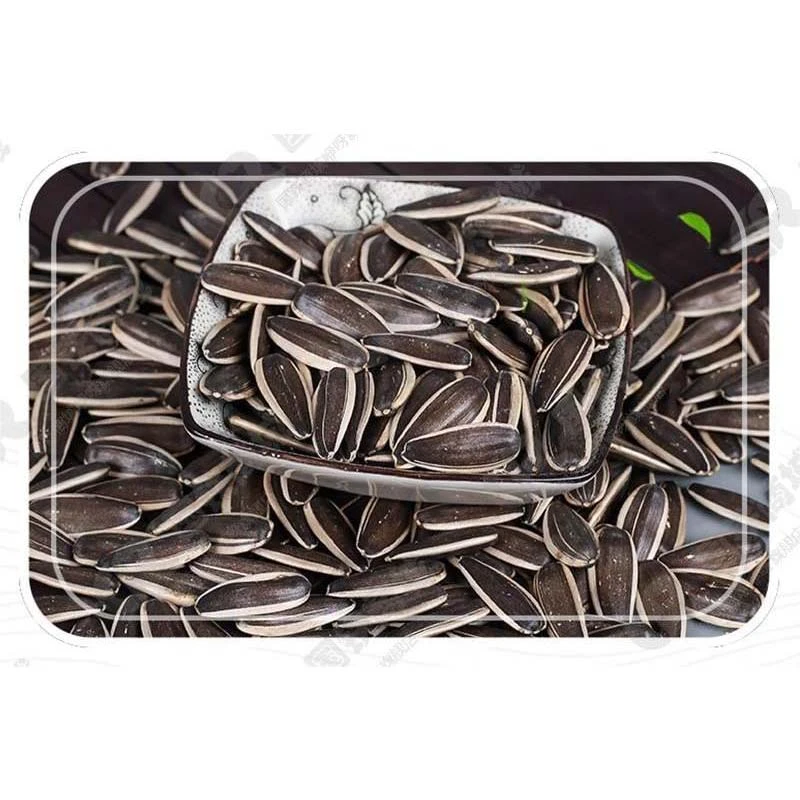
The primary raw material, sunflower seeds ( Helianthus annuus), exhibit significant compositional variability depending on cultivar, growing conditions, and maturity. Key components include the kernel (approximately 50-60% oil, 20-30% protein, 10-20% carbohydrate) and the hull (approximately 30-40% cellulose, hemicellulose, and lignin). Oil composition is predominantly linoleic acid (a polyunsaturated omega-6 fatty acid), with oleic acid also present. Manufacturing begins with harvesting and initial cleaning to remove foreign material. Dehulling is a critical step, impacting final product quality. Mechanical dehulling is common, but requires careful parameter control (impact velocity, gap size) to minimize kernel damage and maximize hull removal efficiency. Roasting or drying reduces moisture content to approximately 2-4%, inhibiting microbial growth and developing characteristic flavor compounds through Maillard reaction and lipid oxidation. This process is controlled by temperature (140-180°C) and duration (20-40 minutes) and must be optimized to prevent excessive oil migration and rancidity. Flavoring is achieved through dry blending or oil coating, utilizing salt, spices, and flavor enhancers. The adhesion of seasonings is influenced by oil content, kernel surface texture, and the application method (e.g., tumbling, spraying). Packaging utilizes materials such as polypropylene (PP) or polyethylene terephthalate (PET) films, chosen for their barrier properties against oxygen and moisture. Quality control checkpoints throughout the process include seed moisture analysis, oil content determination, hulling efficiency assessment, and microbiological testing.
Performance & Engineering
Performance analysis of sunflower seed snacks centers on several key areas. Firstly, mechanical strength is critical, specifically the resistance to fracture during handling and transit. Kernel hardness, quantified via compression testing, correlates with consumer perception of quality. Secondly, moisture content must be rigorously controlled. Water activity (aw) directly influences microbial stability; maintaining aw < 0.6 prevents the growth of most spoilage organisms. Thirdly, oil stability is paramount. Rancidity, caused by lipid oxidation, is a major quality concern. Measurements such as Peroxide Value (PV) and Anisidine Value (AV) quantify the degree of oxidation. Packaging plays a crucial role in minimizing oxygen exposure and preserving oil quality. Environmental resistance encompasses the snack’s ability to withstand temperature fluctuations and humidity changes during storage and distribution. Material selection for packaging (oxygen transmission rate – OTR, water vapor transmission rate – WVTR) is essential. Finally, compliance requirements include adherence to food safety regulations (e.g., FDA in the US, EFSA in Europe), allergen labeling requirements, and permissible levels of heavy metals and pesticides. Force analysis during dehulling needs to be optimized to balance hull removal with minimizing kernel damage, impacting yield and visual appeal.
Technical Specifications
| Parameter | Unit | Typical Value | Acceptable Range |
|---|---|---|---|
| Moisture Content | % | 3.0 | 2.0 – 4.0 |
| Oil Content | % | 52 | 48 – 56 |
| Hull Damage (%) | % | 2 | < 5 |
| Peroxide Value (PV) | meq O2/kg | 3 | < 10 |
| Water Activity (aw) | - | 0.55 | < 0.6 |
| Particle Size (Average) | mm | 8 | 6-10 |
Failure Mode & Maintenance
Sunflower seed snacks are susceptible to several failure modes. Rancidity due to lipid oxidation is a primary concern, manifesting as off-flavors and reduced shelf life. Prevention requires proper storage conditions (low temperature, oxygen exclusion) and the use of antioxidants in packaging. Kernel cracking during processing (dehulling, roasting) reduces visual appeal and increases fines generation. Optimizing process parameters and equipment maintenance minimizes this. Flavor loss occurs through sublimation or abrasion, resulting in blandness. Improved seasoning adhesion techniques (e.g., oil coating, electrostatic spraying) are crucial. Microbial contamination can lead to spoilage and safety hazards. Strict hygiene protocols, regular sanitation, and adherence to HACCP principles are essential. Packaging failure (leaks, punctures) compromises barrier properties and accelerates spoilage. Robust packaging materials and proper sealing techniques are necessary. Maintenance involves regular inspection and cleaning of processing equipment, calibration of instruments (moisture analyzers, temperature sensors), and periodic assessment of packaging material integrity. A preventative maintenance schedule, including lubrication, belt adjustments, and sensor replacements, minimizes downtime and ensures consistent product quality. Failure analysis should involve root cause identification (e.g., through microscopy, chemical analysis) to implement corrective actions.
Industry FAQ
Q: What is the primary driver of rancidity in sunflower seed snacks and how can it be effectively mitigated?
A: The primary driver is lipid oxidation, specifically the reaction of unsaturated fatty acids with oxygen. Mitigation strategies include minimizing oxygen exposure through packaging (OTR < 20 cc/m²/day), controlling temperature (storage below 20°C), adding antioxidants (e.g., tocopherols, BHA/BHT within permissible limits), and optimizing roasting parameters to minimize initial oxidation.
Q: What are the key considerations when selecting packaging materials for sunflower seed snacks?
A: The primary considerations are oxygen barrier (OTR), moisture barrier (WVTR), light protection (to prevent photo-oxidation), and mechanical strength. Materials like metallized PET/PE laminates offer excellent barrier properties. The material must also be food-grade compliant and suitable for the processing conditions (e.g., sealing temperature).
Q: How does the dehulling process impact the final product quality, and what parameters need careful control?
A: Dehulling significantly impacts both kernel integrity and appearance. Excessive force leads to cracked kernels and increased fines. Insufficient force results in incomplete hull removal. Critical parameters include impact velocity, gap size, and feed rate. Regular maintenance of dehulling equipment is also essential.
Q: What are the critical control points (CCPs) in a HACCP plan for sunflower seed snack production?
A: CCPs include: raw material inspection (pesticide residues, aflatoxins), dehulling (foreign material removal), roasting/drying (moisture reduction, pathogen inactivation), seasoning (allergen control), metal detection, and packaging integrity. Each CCP requires defined critical limits, monitoring procedures, and corrective actions.
Q: What analytical techniques are used to assess the quality and safety of sunflower seed snacks?
A: Common techniques include: moisture analysis (Karl Fischer titration), oil content determination (Soxhlet extraction), peroxide value (titration), water activity measurement, microbiological testing (plate counts, pathogen screening), heavy metal analysis (ICP-MS), and aflatoxin analysis (ELISA).
Conclusion
Sunflower seed snack manufacturing demands a holistic understanding of material science, processing parameters, and quality control measures. Maintaining optimal moisture content, preventing lipid oxidation, and ensuring effective seasoning adhesion are crucial for delivering a high-quality, safe, and palatable product. Successful production relies on careful control of each stage, from seed selection and dehulling to roasting, flavoring, and packaging.
Future trends in this sector are likely to focus on enhanced packaging technologies (e.g., active packaging with oxygen scavengers), novel flavoring techniques (e.g., microencapsulation for extended flavor release), and sustainable sourcing practices. Continuous improvement in process monitoring and data analytics will also be essential for optimizing efficiency and minimizing waste.
