Introduction
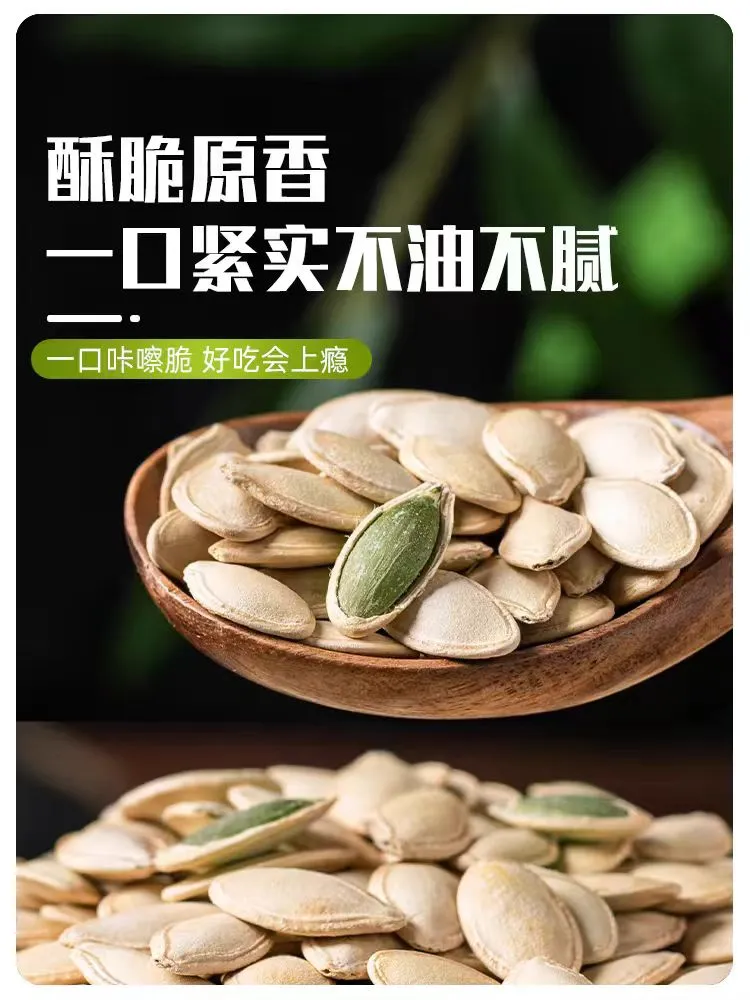
Sunflower seed snacks represent a significant segment within the broader snack food industry, characterized by a growing demand for healthier, convenient, and flavorful options. This guide provides a comprehensive technical overview of sunflower seed snack production, encompassing material science, manufacturing processes, performance characteristics, failure modes, and relevant industry standards. Sunflower seeds ( Helianthus annuus) are processed through cleaning, dehulling, drying, roasting or seasoning, and packaging to create a diverse range of consumer products. The industry faces key challenges related to maintaining seed quality, controlling acrylamide formation during roasting, ensuring consistent flavor profiles, and meeting stringent food safety regulations. This document targets engineers, procurement managers, and quality control personnel involved in the sunflower seed snack supply chain, offering a detailed analysis to optimize operations and product integrity. Core performance indicators include oil content, moisture level, breakage rate, and freedom from foreign material.
Material Science & Manufacturing
Sunflower seeds primarily comprise three components: the kernel (cotyledon), the hull (pericarp), and the embryo. The kernel is rich in oil (40-50%), primarily linoleic acid (C18:2, ~60%) and oleic acid (C18:1, ~30%), contributing to its nutritional value and flavor. The hull, composed largely of cellulose and lignin, provides physical protection and is typically removed during processing. Seed varieties differ in oil content, kernel size, and hull thickness, influencing processing parameters. Manufacturing begins with receiving and cleaning the raw seeds to remove debris, foreign materials, and damaged kernels. Dehulling is commonly achieved through mechanical abrasion or impact, followed by size grading to separate kernels from hulls. Drying is critical to reduce moisture content to 8-10% for optimal roasting and shelf life, typically using fluid-bed dryers or convective ovens. Roasting, conducted at temperatures between 140-180°C, develops flavor and texture, but also presents risks of acrylamide formation, a regulated contaminant. Seasoning involves applying salt, spices, or coatings, requiring precise control of application rates and adhesion. Packaging utilizes materials like polypropylene (PP) or polyethylene terephthalate (PET) laminated with aluminum foil to provide barrier protection against moisture, oxygen, and light. Key process parameters include dehulling efficiency, drying temperature and duration, roasting time and temperature, and seasoning uniformity. Consistent control of these parameters is crucial for product quality and safety.
Performance & Engineering
The performance of sunflower seed snacks is heavily influenced by mechanical properties, oxidative stability, and sensory characteristics. Force analysis during processing, particularly during dehulling and cracking, determines efficiency and breakage rates. The hull’s tensile strength and impact resistance directly correlate to processing energy requirements. Environmental resistance is critical for maintaining product quality during storage and distribution. Exposure to oxygen promotes rancidity due to lipid oxidation, while moisture absorption leads to textural changes and microbial growth. Packaging materials must provide adequate barrier properties (oxygen transmission rate (OTR) < 10 cm³/m²/day, water vapor transmission rate (WVTR) < 3 g/m²/day) to minimize these effects. Compliance requirements include adherence to food safety standards (HACCP, GMP), acrylamide limits (typically < 3 ppm in finished products), and labeling regulations. Flavor encapsulation techniques, using materials like maltodextrin or modified starches, can enhance seasoning adhesion and provide controlled release of flavors. The Maillard reaction during roasting contributes significantly to flavor development, but requires careful control to minimize acrylamide formation through optimizing roasting temperature, time, and seed moisture content. Engineering considerations include heat transfer efficiency in roasting systems, precise dosing and mixing of seasonings, and effective packaging seal integrity to maintain product freshness.
Technical Specifications
| Parameter | Unit | Typical Range | Test Method |
|---|---|---|---|
| Moisture Content | % | 8-10 | AOAC 925.10 |
| Oil Content | % | 40-50 | Soxhlet Extraction (AOAC 920.39) |
| Broken Kernel Rate | % | <5 | Visual Inspection/Sieving |
| Foreign Material | % | <0.1 | Visual Inspection |
| Acrylamide Content | ppm | <3 | GC-MS (Gas Chromatography-Mass Spectrometry) |
| Peroxide Value (Oxidative Rancidity) | meq O₂/kg | <10 | AOCS Cd 8-53 |
Failure Mode & Maintenance
Sunflower seed snack products are susceptible to several failure modes. Rancidity, caused by lipid oxidation, is a primary concern, leading to off-flavors and reduced shelf life. This can be mitigated by using antioxidants (e.g., Vitamin E, rosemary extract) and employing nitrogen flushing during packaging. Cracking and breakage of kernels during processing can result from excessive mechanical stress during dehulling or roasting. Optimizing equipment settings and maintaining proper seed moisture content can minimize this. Microbial contamination, primarily molds and yeasts, can occur due to inadequate drying or compromised packaging integrity. Strict adherence to hygiene protocols and utilizing packaging with effective barrier properties is essential. Packaging film delamination can occur due to improper lamination processes or exposure to extreme temperatures, compromising barrier performance. Regular inspection of packaging materials and proper storage conditions are crucial. Acrylamide formation during roasting is a chemical failure mode regulated by food safety authorities. Controlling roasting parameters (temperature, time, seed moisture) is vital. Maintenance of processing equipment includes regular cleaning, lubrication, and inspection for wear and tear. Roasters should have temperature sensors calibrated regularly, and drying systems should be monitored for uniform airflow. Packaging machinery requires routine inspection of sealing jaws and film tensioners to ensure consistent package integrity. Preventative maintenance schedules should be implemented to minimize downtime and maintain consistent product quality.
Industry FAQ
Q: What are the primary factors influencing acrylamide formation during sunflower seed roasting?
A: Acrylamide formation is primarily influenced by roasting temperature, time, and seed moisture content. Higher temperatures and longer roasting times generally lead to increased acrylamide levels. Reducing seed moisture content before roasting and optimizing roasting parameters to minimize temperature and time are key mitigation strategies. The presence of reducing sugars (glucose and fructose) also contributes to acrylamide formation.
Q: How can we improve the adhesion of seasonings to sunflower seed kernels?
A: Improving seasoning adhesion requires optimizing the surface properties of the kernels and the characteristics of the seasoning mixture. Coating the kernels with a thin layer of vegetable oil or a food-grade adhesive prior to seasoning can enhance adhesion. Controlling the seasoning particle size and using flavor encapsulation techniques can also improve adhesion and provide controlled flavor release.
Q: What packaging materials offer the best barrier properties for maintaining sunflower seed snack freshness?
A: Packaging materials offering the best barrier properties typically include multi-layer laminates composed of polypropylene (PP) or polyethylene terephthalate (PET) combined with a layer of aluminum foil. These materials provide excellent protection against moisture, oxygen, and light, extending shelf life and preserving product quality. Modified atmosphere packaging (MAP) using nitrogen flushing can further enhance freshness.
Q: What are the critical control points in a HACCP plan for sunflower seed snack production?
A: Critical Control Points (CCPs) in a HACCP plan include raw material sourcing and inspection, dehulling efficiency, drying temperature and time, roasting temperature and time, seasoning application, metal detection, and packaging seal integrity. These points require monitoring and control to prevent food safety hazards.
Q: How can we minimize kernel breakage during the dehulling process?
A: Minimizing kernel breakage requires optimizing dehulling equipment settings, such as impact force, abrasion speed, and clearance adjustments. Maintaining consistent seed moisture content (around 10-12%) is also crucial, as dry seeds are more brittle. Proper seed grading after dehulling helps remove broken kernels and minimize further damage during subsequent processing stages.
Conclusion
The production of high-quality sunflower seed snacks requires a nuanced understanding of material science, engineering principles, and food safety regulations. Maintaining optimal moisture content throughout the process, carefully controlling roasting parameters to minimize acrylamide formation, and employing packaging materials with robust barrier properties are paramount. Consistent monitoring of key performance indicators—oil content, breakage rate, and oxidative stability—is essential for ensuring product consistency and customer satisfaction.
Future innovations in sunflower seed snack production will likely focus on advanced roasting technologies to reduce acrylamide formation, development of novel seasoning delivery systems, and sustainable packaging solutions. Addressing consumer demands for healthier, more convenient, and environmentally friendly snack options will drive ongoing research and development efforts within the industry. Continued adherence to stringent quality control measures and regulatory compliance will be critical for sustained success.
