Introduction
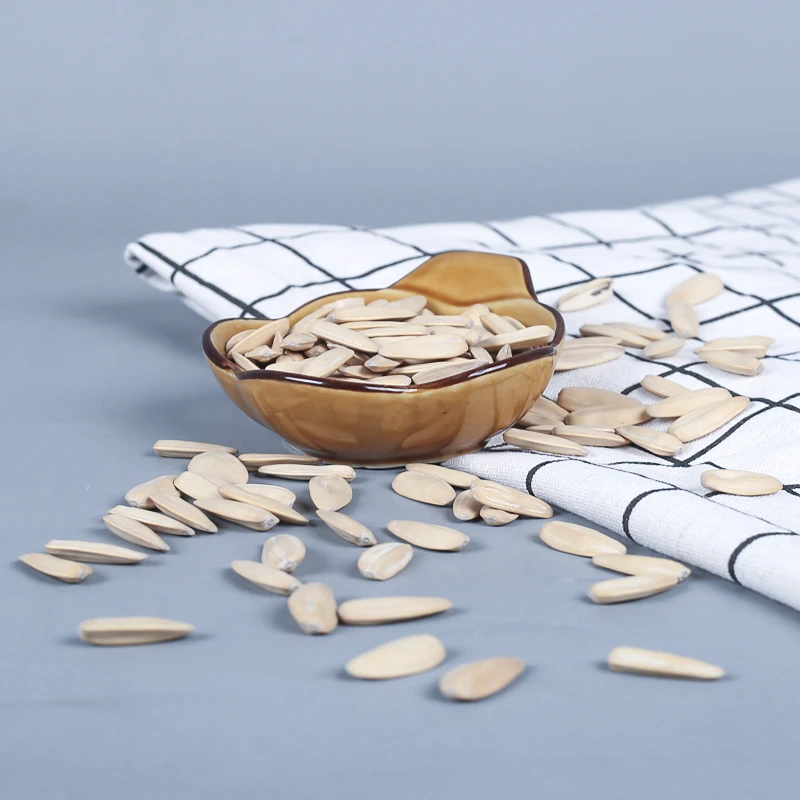
Sunflower seeds, globally recognized for their nutritional value and palatability, represent a significant commodity within the agricultural export market. This technical guide focuses on the critical considerations for exporters of sunflower seed snacks – encompassing roasted, salted, flavored, and in-shell varieties. The sunflower seed snack export industry faces unique challenges relating to maintaining product quality, ensuring food safety compliance with diverse international regulations, optimizing packaging for extended shelf life and minimizing damage during transit, and controlling aflatoxin contamination. This guide will delineate the material science underpinning seed quality, the manufacturing processes impacting snack characteristics, performance criteria for packaging, common failure modes, and relevant international standards. Sunflower seeds ( Helianthus annuus) vary significantly in oil content (34-58%), protein content (15-25%), and fiber content (6-10%), impacting flavor, texture, and overall quality, making consistent sourcing and processing crucial for exporters. Understanding these factors is paramount for success in a competitive global market.
Material Science & Manufacturing
Sunflower seeds consist primarily of endosperm (starch and protein), embryo (source of new plants and oil), and seed coat (protective outer layer). The quality of the seed is heavily influenced by genotype, growing conditions (temperature, rainfall, soil composition), and harvest timing. Raw seeds exhibit a moisture content typically between 8-12%. For snack production, seeds undergo several critical processing steps: cleaning (removal of debris, dust, and foreign material), dehulling (optional, depending on the desired snack type – in-shell versus kernel), drying (reducing moisture content to approximately 3-5% to inhibit microbial growth and enzymatic activity), roasting (developing flavor and texture, typically at 140-180°C), seasoning (application of salt, spices, or flavor coatings), and cooling. Roasting kinetics are crucial; excessive temperatures cause acrylamide formation and off-flavors, while insufficient temperatures result in a bland product. The oil within the seed is susceptible to oxidation, leading to rancidity. Antioxidants (e.g., Vitamin E, rosemary extract) are often added during or after roasting to mitigate this process. Packaging materials must provide a barrier to oxygen and moisture. Key parameters controlled during manufacturing include roasting temperature and time, seed moisture content pre- and post-roasting, seasoning application rate, and cooling rate. Control charts and statistical process control (SPC) are vital for ensuring consistent product quality. The presence of naturally occurring toxins, notably aflatoxins produced by Aspergillus flavus and Aspergillus parasiticus fungi, is a significant concern. Proper drying, storage, and quality control measures are essential to minimize aflatoxin contamination.

Performance & Engineering
The performance of sunflower seed snack packaging is critical for maintaining product quality and shelf life. Key performance parameters include barrier properties (oxygen transmission rate – OTR, water vapor transmission rate – WVTR), tensile strength (resistance to tearing during handling and transit), impact resistance (preventing damage from drops and impacts), and seal strength (ensuring package integrity). Force analysis during packaging and transportation is essential to determine optimal packaging material selection and thickness. A typical shipping container undergoes significant dynamic loading during transport – vibrations, accelerations, and decelerations. Packaging must withstand these forces to prevent seed breakage and kernel loss. Environmental resistance is also crucial; exposure to high humidity can lead to softening of the seeds and increased susceptibility to microbial growth. Compliance requirements vary by export destination but generally include adherence to food safety regulations (e.g., FDA in the US, EFSA in Europe) and labeling requirements (e.g., nutritional information, allergen declarations). Functional implementation involves selecting packaging materials compatible with the roasting and seasoning processes (e.g., avoiding materials that impart off-flavors) and ensuring efficient sealing and filling operations. Furthermore, package design must consider consumer convenience – ease of opening and resealing, portion control, and visual appeal. Modified Atmosphere Packaging (MAP) utilizing nitrogen flushing is employed to reduce oxygen levels within the package, further extending shelf life.
Technical Specifications
| Parameter | Unit | Typical Range | Test Method |
|---|---|---|---|
| Moisture Content | % | 3-5 | AOAC 925.10 |
| Oil Content | % | 40-50 | SOXTEC Method |
| Aflatoxin Level (Total) | ppb | <4 ppb (export standard) | HPLC with Immunaffinity Column |
| OTR (Oxygen Transmission Rate) - Packaging Film | cc/m²/day | <50 | ASTM D3985 |
| WVTR (Water Vapor Transmission Rate) - Packaging Film | g/m²/day | <5 | ASTM E96 |
| Packaging Film Tensile Strength | MPa | >20 | ASTM D882 |
Failure Mode & Maintenance
Common failure modes in sunflower seed snack products include rancidity (oxidative degradation of oils), softening (due to moisture absorption), seed cracking (mechanical damage during handling and transit), package leakage (compromising barrier properties), and aflatoxin contamination (biological spoilage). Rancidity is identified by an off-odor and taste and can be mitigated by using antioxidant packaging and controlled storage temperatures (below 25°C). Softening results in a loss of crispness and can be addressed by using packaging with a low WVTR and ensuring proper drying of the seeds. Seed cracking is minimized through careful handling, robust packaging, and optimized palletization techniques. Package leakage is often caused by seal defects or punctures and requires stringent quality control during packaging and transit. Aflatoxin contamination is a serious food safety hazard and necessitates rigorous quality control measures throughout the supply chain, including pre-harvest monitoring, proper drying, and the use of antifungal treatments where permitted. Maintenance of processing equipment (roasters, seasoning drums, packaging machines) is crucial to prevent contamination and ensure consistent product quality. Regular cleaning, lubrication, and inspection are essential. Storage facilities must be clean, dry, and well-ventilated to prevent mold growth and insect infestation. A preventative maintenance schedule should be implemented and strictly adhered to.
Industry FAQ
Q: What are the acceptable limits for aflatoxin contamination in sunflower seed snacks destined for the European Union?
A: The European Union has stringent regulations regarding aflatoxin contamination. Regulation (EC) No 1881/2006 sets the maximum permissible level for total aflatoxins in foodstuffs, including sunflower seeds, at 2 ppb. Exporters must demonstrate compliance through regular testing using accredited laboratories and provide certificates of analysis with each shipment.
Q: How can we optimize packaging to minimize rancidity during long-distance ocean freight?
A: Utilizing multi-layer packaging films with a high barrier to oxygen is critical. Consider incorporating a metalized layer or EVOH (ethylene vinyl alcohol) to further reduce oxygen permeation. Flushing the package with nitrogen before sealing minimizes the residual oxygen content. Adding antioxidants, such as tocopherols (Vitamin E), to the seeds before packaging also provides added protection against oxidation. Temperature control during transit is also vital; avoid direct sunlight and maintain a cool, dry environment.
Q: What is the best method for controlling seed cracking during handling and transportation?
A: Minimizing free fall during handling is crucial. Implementing conveyor systems rather than relying on manual handling reduces the risk of impact. Using robust, impact-resistant packaging materials (e.g., corrugated cardboard with sufficient cushioning) is essential. Proper palletization techniques – ensuring uniform weight distribution and secure strapping – prevent shifting during transit. Consider using inner liners or dividers to further protect the seeds.
Q: How do variations in raw seed moisture content affect the roasting process and final product quality?
A: Variations in raw seed moisture content significantly impact roasting. High moisture content results in longer roasting times and can lead to uneven cooking and sticking. Low moisture content can cause rapid heat transfer and potential burning. Consistent moisture content (8-12% is ideal) is vital for achieving uniform roasting and optimal flavor development. Seeds should be dried to a consistent level before roasting.
Q: What labeling requirements are typically mandated for sunflower seed snacks being exported to the United States?
A: The US Food and Drug Administration (FDA) mandates specific labeling requirements. These include a statement of ingredients in descending order of predominance by weight, net weight, name and address of the manufacturer, packer, or distributor, nutritional facts panel, and allergen declarations if applicable. Compliance with FDA regulations is essential to avoid import refusals and penalties.
Conclusion
Successful sunflower seed snack exportation hinges upon a comprehensive understanding of the material science governing seed quality, precise control over manufacturing processes, and adherence to stringent packaging and food safety standards. Maintaining low moisture content, minimizing aflatoxin contamination, and utilizing high-barrier packaging are paramount for preserving product quality and extending shelf life. The optimization of these parameters is not merely a matter of technical proficiency, but a critical factor in ensuring market acceptance and building a sustainable export business.
Looking forward, advancements in packaging technology, such as the development of biodegradable and compostable materials, and improved aflatoxin detection methods, will further enhance the competitiveness and sustainability of the sunflower seed snack export industry. Continuous investment in quality control infrastructure, employee training, and adherence to evolving international regulations are essential for navigating the complexities of the global market and capitalizing on emerging opportunities.
