Introduction
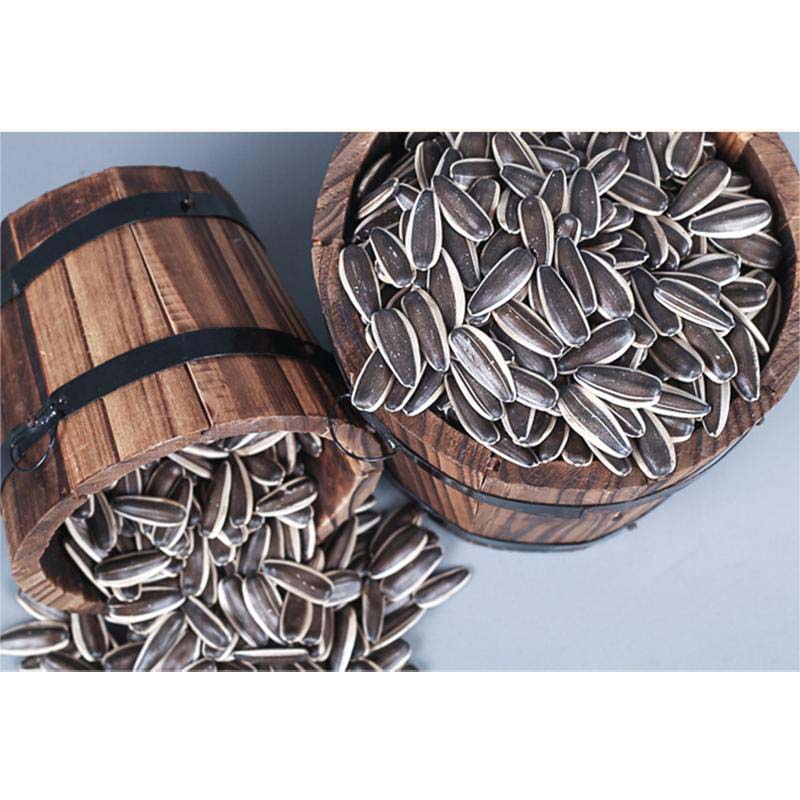
Sunflower seed snacks represent a significant sector within the global food export market, characterized by increasing consumer demand for healthy, convenient, and plant-based protein sources. This technical guide details the critical aspects of sunflower seed snack export, encompassing seed varietal selection, processing techniques, quality control parameters, packaging methodologies, and relevant international standards. The sunflower seed snack industry chain begins with agricultural production, progresses through post-harvest handling (drying, dehulling, grading), flavor application, packaging, and culminates in international distribution. Core performance indicators center on moisture content, oil content, microbiological safety, and adherence to import regulations of destination countries. The primary pain points for exporters include maintaining consistent seed quality, mitigating aflatoxin contamination, ensuring optimal shelf life, and navigating complex labeling requirements.
Material Science & Manufacturing
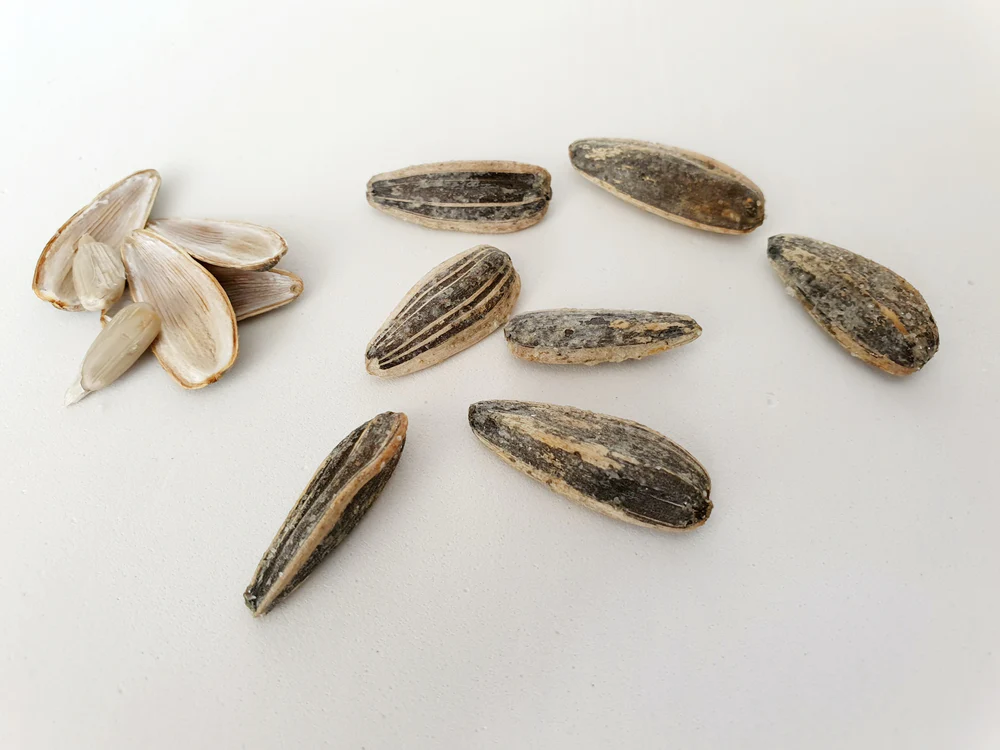
Sunflower seeds (Helianthus annuus) are dicotyledonous seeds composed primarily of lipid (40-50%), protein (15-25%), carbohydrates (10-20%), and fiber (5-10%). The lipid profile consists mainly of linoleic acid (omega-6) and oleic acid (omega-9). Seed coat composition is crucial; it's primarily cellulose, hemicellulose, and lignin, influencing dehulling efficiency and overall seed integrity. Manufacturing commences with harvesting at optimal maturity (typically 32-35% moisture content). Post-harvest drying is critical, utilizing forced-air systems to reduce moisture to 8-10% to prevent mold growth and preserve oil quality. Dehulling employs mechanical abrasion and air separation; the efficiency is dependent on seed variety and the condition of the dehulling equipment. Flavor application utilizes dry blending or oil coating techniques. Dry blending involves uniformly distributing spices, salts, and other flavorings onto the seeds. Oil coating enhances flavor adhesion and provides a protective barrier. Critical parameters during processing include temperature control (to prevent oil rancidity), dehulling pressure (to minimize kernel damage), and flavorant distribution uniformity. The Maillard reaction, occurring during roasting, impacts flavor and color development, requiring precise temperature and time control. Materials used in processing equipment must be food-grade stainless steel (304 or 316) to prevent contamination and ensure corrosion resistance.
Performance & Engineering
Performance assessment of sunflower seed snacks centers on mechanical strength, oxidative stability, and microbiological safety. Kernel fracture strength is a critical parameter, indicating the seed’s resistance to breakage during handling and transportation. This is analyzed using compression testing. Oxidative stability, measured by the Rancimat method (AOCS Cd 12-92), quantifies the rate of lipid oxidation, influencing shelf life. Moisture content significantly impacts oxidative stability; lower moisture content slows oxidation. Packaging materials play a crucial role in preventing oxygen ingress and moisture absorption. Microbiological analysis (total plate count, yeast and mold count, Salmonella detection, aflatoxin analysis) is paramount, adhering to stringent regulatory limits. Aflatoxin contamination, caused by Aspergillus flavus and Aspergillus parasiticus, is a major concern; regular testing is essential. Engineering considerations involve packaging line design to minimize product damage, airflow optimization during drying to ensure uniform moisture reduction, and efficient cleaning systems to prevent cross-contamination. Compliance requirements include adherence to FDA regulations (US), EFSA guidelines (Europe), and relevant import regulations of target countries, including labeling requirements (nutritional information, allergen declarations, origin labeling).
Technical Specifications
| Parameter | Unit | Typical Value (Roasted, Salted) | Acceptable Range |
|---|---|---|---|
| Moisture Content | % | 4.0 | ≤ 6.0 |
| Oil Content | % | 50.0 | 48.0 – 55.0 |
| Salt Content (NaCl) | % | 1.5 | 1.2 – 2.0 |
| Aflatoxin B1 | ppb | <2 | ≤ 4 |
| Peroxide Value | meq O2/kg | 3.0 | ≤ 5.0 |
| Kernel Fracture | N | 100 | ≥80 |
Failure Mode & Maintenance
Common failure modes in sunflower seed snacks include rancidity (oxidative degradation of lipids, leading to off-flavors), softening (moisture absorption causing loss of crispness), kernel cracking during handling, and packaging failure. Rancidity is accelerated by exposure to oxygen, light, and elevated temperatures. Mitigation involves using antioxidant packaging materials (e.g., metallized films), nitrogen flushing, and maintaining cool storage conditions. Softening can be prevented by utilizing moisture barrier packaging (e.g., polyethylene terephthalate - PET) and controlling storage humidity. Kernel cracking is minimized through careful handling, optimized processing parameters (dehulling pressure, roasting temperature), and robust packaging. Packaging failure (seal integrity, puncture resistance) can result from improper sealing, material defects, or physical damage during transportation. Regular inspection of packaging equipment and adherence to packaging standards are crucial. Preventative maintenance of processing equipment (dehullers, roasters, flavor applicators) is essential to ensure optimal performance and prevent product contamination. This includes regular cleaning, lubrication, and replacement of worn parts. Storage facilities must be pest-controlled and maintained at appropriate temperature and humidity levels to prevent insect infestation and mold growth.
Industry FAQ
Q: What is the acceptable level of Aflatoxin contamination for export to the European Union?
A: The European Union's regulations (Regulation (EC) No 1881/2006) establish maximum levels for Aflatoxins in foodstuffs. For sunflower seeds intended for direct consumption, the maximum permitted level for total Aflatoxins (B1, B2, G1, G2) is 2 ppb. Compliance requires regular testing using validated methods (e.g., HPLC with fluorescence detection) and adherence to strict quality control protocols throughout the supply chain.
Q: How does seed variety impact the final product quality and export potential?
A: Seed variety significantly influences oil content, kernel size, hulling efficiency, and flavor profile. High-oleic sunflower varieties (e.g., those with >70% oleic acid) offer improved oxidative stability and longer shelf life, increasing export potential. Kernel size affects dehulling efficiency and product appearance. Specific varieties are preferred for roasting due to their flavor characteristics. Documentation of seed variety and its characteristics is crucial for meeting import requirements.
Q: What types of packaging materials are recommended for maintaining freshness during long-distance shipping?
A: Multi-layer packaging films combining PET (for moisture barrier), aluminum foil (for oxygen barrier and light protection), and polyethylene (for sealing) are recommended. Nitrogen flushing before sealing reduces oxygen levels, further extending shelf life. The packaging should be hermetically sealed to prevent moisture ingress and contamination. Outer cartons should be sturdy and designed to withstand stacking and handling during transportation.
Q: What are the key labeling requirements for exporting sunflower seed snacks to the United States?
A: US labeling regulations (FDA) require a detailed ingredient list, nutritional information (calories, fat, protein, carbohydrates, sodium), net weight, name and address of the manufacturer/distributor, and allergen declarations (if applicable). Country of origin labeling is also mandatory. Compliance with FDA regulations is essential to avoid import delays or rejection.
Q: What analytical methods are used to determine the oil content and fatty acid profile of sunflower seeds?
A: Oil content is typically determined by solvent extraction (e.g., hexane extraction) followed by gravimetric analysis. The fatty acid profile is analyzed using gas chromatography (GC) with a flame ionization detector (FID). These analyses are crucial for verifying product quality and complying with compositional standards.
Conclusion
Sunflower seed snack export demands meticulous attention to detail across the entire value chain, from seed selection and processing to packaging and quality control. Maintaining consistent seed quality, mitigating aflatoxin risks, and ensuring compliance with international regulations are paramount for success. Understanding the material science of sunflower seeds and employing appropriate engineering controls are critical for optimizing product performance and shelf life.
Future trends in the sunflower seed snack industry will likely focus on sustainable sourcing, innovative flavor development, and enhanced packaging technologies to extend shelf life and reduce environmental impact. Continued investment in research and development, coupled with strict adherence to quality standards, will be essential for exporters seeking to capitalize on the growing global demand for this healthy and convenient snack.
