Introduction
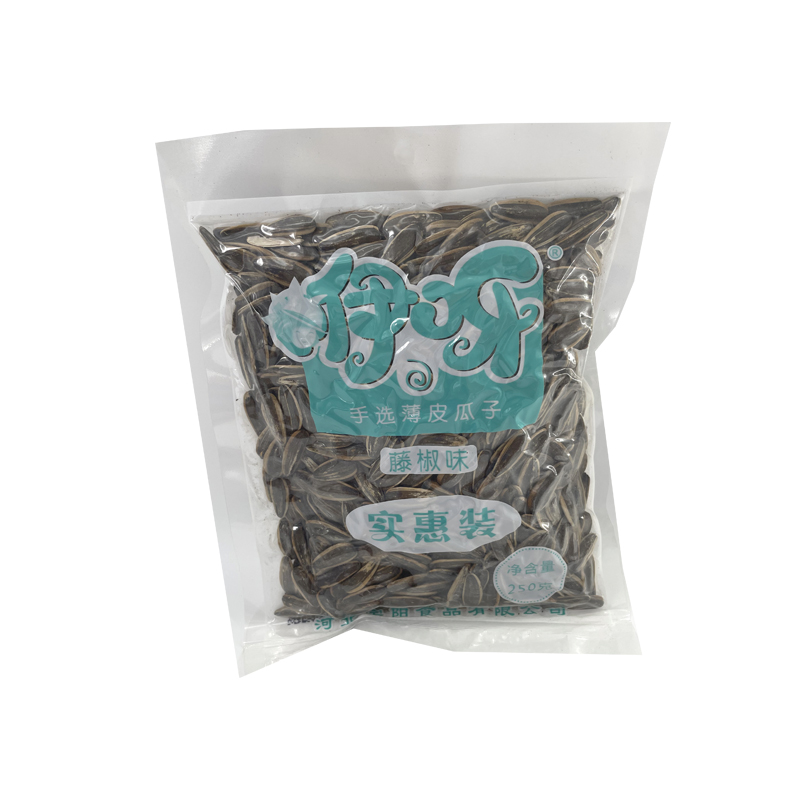
Sunflower seed discounts price suppliers operate within a complex agricultural commodity market, requiring stringent quality control, logistical efficiency, and an understanding of global supply chain dynamics. The product, Helianthus annuus seeds, represents a significant portion of the edible oilseed market and a crucial component in animal feed. This guide details the technical aspects impacting procurement decisions, focusing on seed quality parameters, processing considerations influencing price, and shelf-life determinants. Competitive pricing strategies among suppliers necessitate a deep understanding of kernel content, oil percentage, and adherence to international food safety standards. This document aims to provide a comprehensive technical overview for procurement managers and engineers involved in sourcing sunflower seeds for industrial applications.
Material Science & Manufacturing
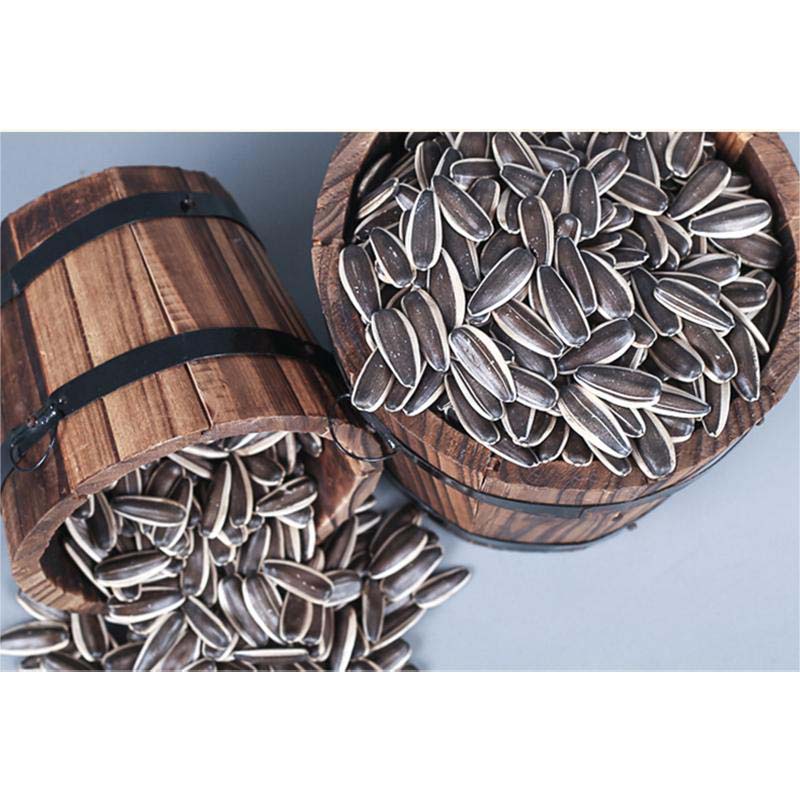
Sunflower seeds are comprised of three primary components: the hull (approximately 20-30% by weight), the kernel (50-65%), and the oil within the kernel (40-55%). The hull’s composition is predominantly cellulose and hemicellulose, impacting its abrasiveness during dehulling processes. Kernel quality is determined by oil content, protein content (20-25%), and linoleic acid to oleic acid ratio. Manufacturing begins with cultivation, followed by harvesting, drying (critical for moisture content control - ideally below 9%), cleaning (removal of foreign material), dehulling (mechanical or chemical), kernel grading based on size and quality, and finally, storage. Drying is paramount; improper drying leads to aflatoxin contamination and lipid peroxidation. Dehulling efficiency impacts yield and the subsequent processing of the hulls for fuel or animal bedding. Controlling the temperature during oil extraction (typically through expeller pressing or solvent extraction) is crucial to preserve oil quality and prevent trans-fat formation. Seed coatings, while less common for bulk industrial supply, might utilize polymers to enhance flowability and protect against insect infestation during transport. The choice of coating material must be food-grade and not impact the oil’s purity.
Performance & Engineering
The performance of sunflower seeds as a raw material is largely dictated by their physical and chemical properties. For oil extraction, bulk density and flowability are critical for efficient conveyor system operation and preventing blockages. The compressive strength of the seeds affects the efficiency of expeller pressing. Abrasiveness impacts the wear rate of processing equipment (particularly dehulling machinery). Moisture content directly correlates with storage stability; higher moisture levels accelerate microbial growth and enzymatic degradation of lipids, leading to rancidity. The oil’s oxidative stability is a key performance indicator, measured via peroxide value and induction time. Factors influencing oxidative stability include the level of natural antioxidants (vitamin E) present in the oil and the presence of trace metals. Environmental resistance is primarily related to storage conditions; protecting against humidity, temperature fluctuations, and pest infestation is essential. Engineering considerations involve optimizing the seed flow path through processing equipment, minimizing dust generation, and implementing effective cleaning and sanitization protocols to prevent cross-contamination. Compliance with food safety regulations (see section 7) is non-negotiable.
Technical Specifications
| Parameter | Units | Typical Range (High-Quality Seeds) | Acceptable Range (Industrial Grade) |
|---|---|---|---|
| Oil Content | % (dry weight basis) | 48-55 | 42-50 |
| Kernel Content | % (total weight) | 60-70 | 55-65 |
| Moisture Content | % | 7-9 | Up to 12 |
| Foreign Matter | % | <1 | <3 |
| Damaged Kernels | % | <2 | <5 |
| Acid Value (Free Fatty Acids) | mg KOH/g oil | <1.0 | <2.0 |
Failure Mode & Maintenance
Sunflower seed degradation can manifest in several failure modes. Aflatoxin contamination, caused by Aspergillus fungi, is a critical safety concern, particularly in humid storage conditions. Lipid peroxidation leads to rancidity, reducing oil quality and creating off-flavors. Physical damage during handling and processing results in broken kernels and increased dust generation, reducing efficiency. Insect infestation causes direct yield loss and introduces contaminants. Shelling defects, stemming from improper drying or dehulling parameters, increase hull content in the final product. Maintenance of storage facilities is paramount: regular cleaning, temperature and humidity control, and pest control measures are essential. Processing equipment requires routine inspection and maintenance to prevent wear and tear, ensuring optimal performance and minimizing product damage. Preventative maintenance schedules should include lubrication of moving parts, calibration of sensors, and replacement of worn components. Regular oil quality testing (peroxide value, acid value) is crucial for detecting early signs of degradation. Monitoring moisture content throughout the supply chain is also critical to prevent fungal growth and maintain seed viability.
Industry FAQ
Q: What is the acceptable level of aflatoxin in sunflower seeds intended for animal feed?
A: Regulatory limits vary by country. In the EU, the maximum permissible level is typically 2.5 µg/kg for total aflatoxins. The US FDA guidelines are similar. Suppliers must provide certificates of analysis demonstrating compliance with the destination market’s regulations. Regular testing using ELISA or HPLC methods is essential.
Q: How does the linoleic to oleic acid ratio affect the oil’s stability and applications?
A: A higher oleic acid content confers greater oxidative stability to the oil, making it suitable for high-temperature frying applications and extending shelf life. High-linoleic sunflower oil is more prone to oxidation but is valued for its nutritional profile. The ideal ratio depends on the intended end-use of the oil.
Q: What are the critical parameters to monitor during long-term storage of sunflower seeds?
A: Temperature, humidity, and oxygen levels are the most critical parameters. Maintaining a cool (below 20°C), dry (below 65% relative humidity), and oxygen-deprived environment (nitrogen flushing can be used) minimizes degradation. Regular monitoring of moisture content and aflatoxin levels is also crucial.
Q: What is the impact of dehulling efficiency on the overall cost of production?
A: Lower dehulling efficiency results in higher hull content, which reduces the oil yield and increases the cost of processing. It also generates more waste material (hulls) that require disposal. Investing in optimized dehulling equipment and processes is essential for cost-effective production.
Q: How do different drying methods (sun drying vs. mechanical drying) affect seed quality?
A: Sun drying is less controllable and can lead to uneven drying, increased fungal growth, and lower seed quality. Mechanical drying, using controlled temperature and airflow, provides superior quality and reduces the risk of contamination. However, excessive heat during mechanical drying can damage the oil and reduce its quality.
Conclusion
Sunflower seed procurement necessitates a multifaceted technical understanding encompassing agricultural practices, material science, and processing engineering. Ensuring optimal oil yield, maintaining product safety, and adhering to stringent quality standards are paramount. The technical specifications outlined in this guide provide a framework for evaluating supplier capabilities and selecting seeds suited for specific industrial applications.
The ongoing development of sunflower seed varieties with improved oil content, enhanced oxidative stability, and increased resistance to pests promises to further optimize the value chain. Proactive monitoring of storage conditions, implementation of robust quality control protocols, and diligent adherence to international standards will be crucial for mitigating risks and maximizing the economic benefits of sunflower seed utilization.
