Introduction
Sunflower seed supply, characterized by price volatility and logistical complexities, is a critical component of the global food and animal feed industries. This technical guide details the intricacies of sourcing sunflower seeds, focusing on quality assessment, price determination drivers, and optimal supply chain strategies. The primary position within the agricultural commodity chain is as a transitional product – bridging raw agricultural output with processing industries such as oil extraction, confectionery production, and feed formulation. Core performance metrics revolve around oil yield (for oilseeds), kernel weight and size (for confectionery), and protein content (for feed applications). Fluctuations in global weather patterns, geopolitical events impacting growing regions (primarily Eastern Europe and Russia), and evolving demand dynamics necessitate a detailed understanding of the market to secure competitive pricing and consistent supply. The increasing emphasis on sustainable agriculture and traceable sourcing adds another layer of complexity for procurement professionals.
Material Science & Manufacturing
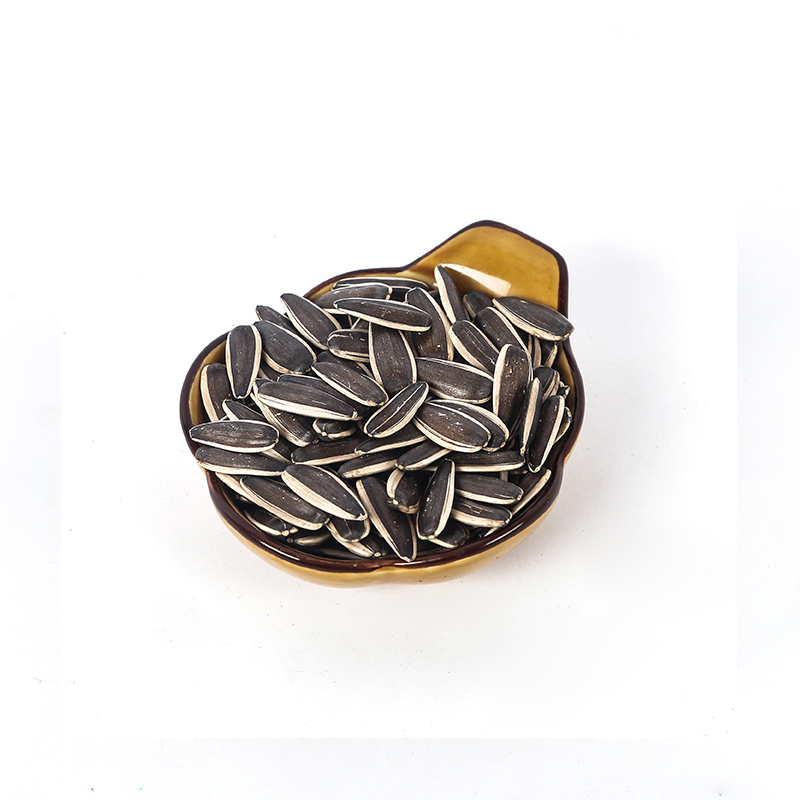
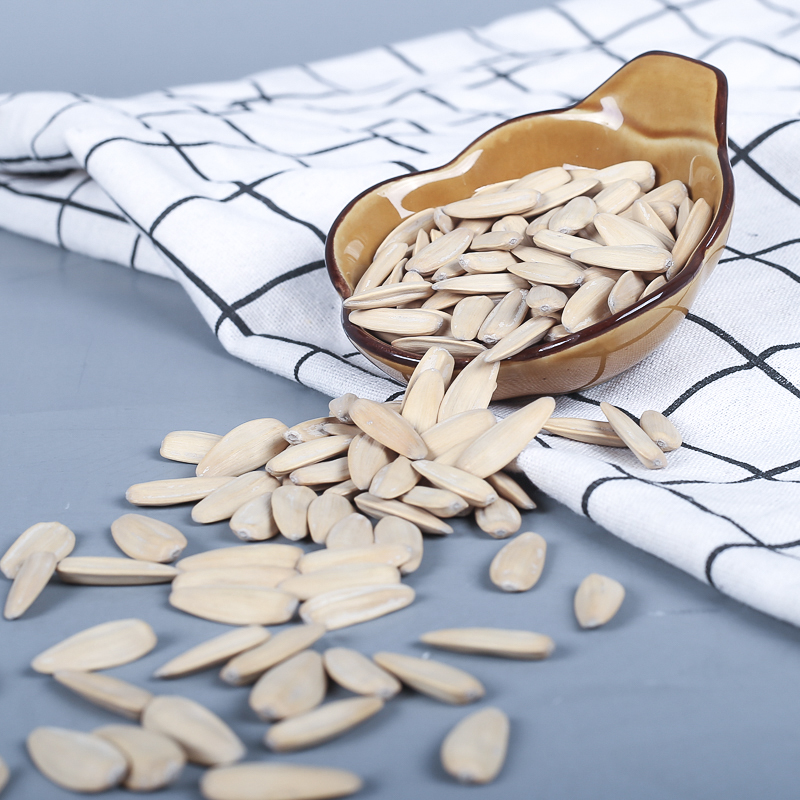
Sunflower seeds (Helianthus annuus) consist of a hull (pericarp), kernel, and embryo. The hull comprises approximately 20-30% of the seed weight, varying by variety. The kernel, the economically significant portion, is rich in lipids (40-60% oil content, depending on variety - high oleic, linoleic, or mid-oleic), proteins (20-25%), and fiber. Manufacturing, or rather, pre-processing, begins with harvesting which must occur at optimal moisture content (around 9-12%) to minimize kernel damage and prevent fungal growth. Drying is crucial, typically employing forced-air systems achieving 8.5% moisture content for safe storage. Cleaning processes remove foreign material – stalks, leaves, dirt, and weed seeds – utilizing screens, air separation, and magnetic separators. Oil extraction methods are vital. Mechanical pressing yields crude oil, while solvent extraction (typically hexane) achieves higher oil recovery. The quality of the solvent and its complete removal are paramount. For confectionery seeds, dehulling is a critical step, requiring precise mechanical action to minimize kernel breakage. Seed treatment with fungicides and insecticides, although regulated, impacts seed longevity and intended use. Parameter control during drying (temperature and airflow), cleaning (screen size and air velocity), and dehulling (roller pressure and speed) are fundamental to maximizing yield and quality.
Performance & Engineering
Performance analysis centers around the seeds’ physical and chemical characteristics and their implications for subsequent processing. For oilseed applications, the iodine value (a measure of unsaturation) dictates oil stability and suitability for different applications (e.g., cooking oil vs. industrial lubricants). Acid value indicates the level of free fatty acids, reflecting seed quality and potential rancidity. Peroxide value measures oxidation, also impacting oil quality. Shear force analysis during dehulling determines the energy required for efficient separation, influencing equipment design and operational costs. Environmental resistance is primarily related to storage conditions. High humidity promotes fungal growth (e.g., Aspergillus flavus, producing aflatoxins – a major concern), necessitating proper ventilation and temperature control. Compliance requirements involve adherence to maximum residue limits (MRLs) for pesticides and fungicides set by importing countries (e.g., EU regulations, US FDA guidelines). Functional implementation, for confectionery seeds, requires consistent kernel size and shape for automated packaging and consistent product appearance. Logistical considerations include bulk density for efficient container loading and minimizing damage during transport. Seed handling systems must be engineered to avoid excessive impact and friction, reducing kernel breakage.
Technical Specifications
| Parameter | Unit | High Oleic Sunflower Seeds | Linoleic Sunflower Seeds |
|---|---|---|---|
| Oil Content | % | 48-52 | 42-48 |
| Protein Content | % | 20-24 | 21-25 |
| Moisture Content | % | ≤8.5 | ≤8.5 |
| Kernel Size (Screen Size) | mm | 10.5-12.5 | 10.0-12.0 |
| Acid Value | mg KOH/g | ≤1.5 | ≤2.0 |
| Iodine Value | Wijs | 85-105 | 110-130 |
Failure Mode & Maintenance
Sunflower seeds are susceptible to several failure modes during storage and processing. Biological degradation is a primary concern, manifested as fungal growth leading to aflatoxin contamination and seed spoilage. This is exacerbated by high moisture content and inadequate ventilation. Physical damage, including kernel breakage and hull cracking, occurs during harvesting, drying, and dehulling. This reduces oil yield and confectionery value. Oxidative degradation, triggered by exposure to air and light, leads to rancidity and a decrease in oil quality. Insect infestation can cause significant losses both in quantity and quality. Maintenance of storage facilities is crucial: regular cleaning, pest control, and monitoring of temperature and humidity are essential. Seed handling equipment requires routine inspection and replacement of worn parts (screens, rollers, belts) to minimize physical damage. Proper calibration of dehulling machinery prevents excessive kernel breakage. Regular oil quality analysis (acid value, peroxide value) detects oxidative degradation. Preventative fumigation programs, conforming to regulatory standards, can control insect infestation. Long-term storage requires controlled atmosphere storage (low oxygen, controlled CO2) for optimal preservation.
Industry FAQ
Q: What are the key factors driving price fluctuations in the sunflower seed market?
A: Price volatility is primarily driven by weather patterns in major growing regions (Ukraine, Russia, Argentina, US), geopolitical factors impacting supply from these regions, global demand for vegetable oils, and exchange rate fluctuations. Changes in biofuel mandates also impact demand for sunflower oil. Crop yields, influenced by rainfall and temperature during the growing season, directly affect supply and price.
Q: How do you assess the quality of a sunflower seed shipment before purchase?
A: Quality assessment involves several steps: visual inspection for foreign matter and damage, moisture content analysis (using a moisture meter), oil content determination (using Soxhlet extraction or NMR), acid value and peroxide value testing to assess oil quality, and aflatoxin testing (using ELISA or HPLC). Kernel size and shape are assessed for confectionery applications.
Q: What are the implications of different sunflower seed varieties (high oleic, linoleic) for processing?
A: High oleic varieties offer superior oxidative stability, resulting in longer shelf life for oil and reduced need for hydrogenation. Linoleic varieties are more susceptible to oxidation but can be used in a wider range of applications. Processing parameters (temperature, pressure) may need to be adjusted based on the seed variety.
Q: What are the critical considerations for long-term storage of sunflower seeds?
A: Maintaining low moisture content (≤8.5%), controlling temperature (below 25°C), ensuring adequate ventilation to prevent condensation, and implementing pest control measures are crucial. Controlled atmosphere storage (low oxygen) further extends shelf life. Regular monitoring of seed quality (moisture, oil content, aflatoxin levels) is essential.
Q: What international standards regulate sunflower seed quality and safety?
A: Key standards include those set by the Codex Alimentarius Commission, the EU regulations regarding mycotoxins (aflatoxins), US FDA guidelines for food safety, and ISO standards for quality management systems (ISO 9001). Specific importing countries may have additional requirements regarding pesticide residues and genetic modifications.
Conclusion
Securing a reliable supply of sunflower seeds at competitive prices demands a holistic understanding of the entire value chain. From the fundamental material science governing seed quality and processing characteristics to the complex interplay of geopolitical and environmental factors influencing market dynamics, informed decision-making is paramount. Prioritizing robust quality control measures, implementing effective storage protocols, and adhering to stringent international standards are not merely best practices, but essential safeguards against economic losses and reputational damage.
The future of sunflower seed sourcing will likely be shaped by increasing emphasis on traceability, sustainable agricultural practices, and the development of new seed varieties with enhanced oil content and improved resistance to pests and diseases. Adapting to these evolving trends and fostering strong relationships with reputable suppliers are key to navigating the challenges and capitalizing on the opportunities within this critical agricultural commodity market.
