Introduction
Sunflower seeds, Helianthus annuus, represent a significant commodity within the global food and animal feed industries. Discount pricing strategies for sunflower seeds are predicated on fluctuating supply chain dynamics, seasonal harvests, and market demand. This technical guide details the critical parameters governing sunflower seed quality, focusing on factors impacting commercial viability and outlining the engineering considerations involved in processing, storage, and distribution, specifically related to discounted product streams. Sunflower seeds are categorized into confectionery (in-shell for direct consumption), oilseed (for oil extraction), and protien seed (for animal feed), each demanding specific quality control measures. Discounted pricing often correlates with variations in kernel size, moisture content, or the presence of hull damage – elements detailed in international grading standards. Understanding these quality factors is paramount for mitigating risk associated with discounted purchases and ensuring adherence to food safety regulations.
Material Science & Manufacturing
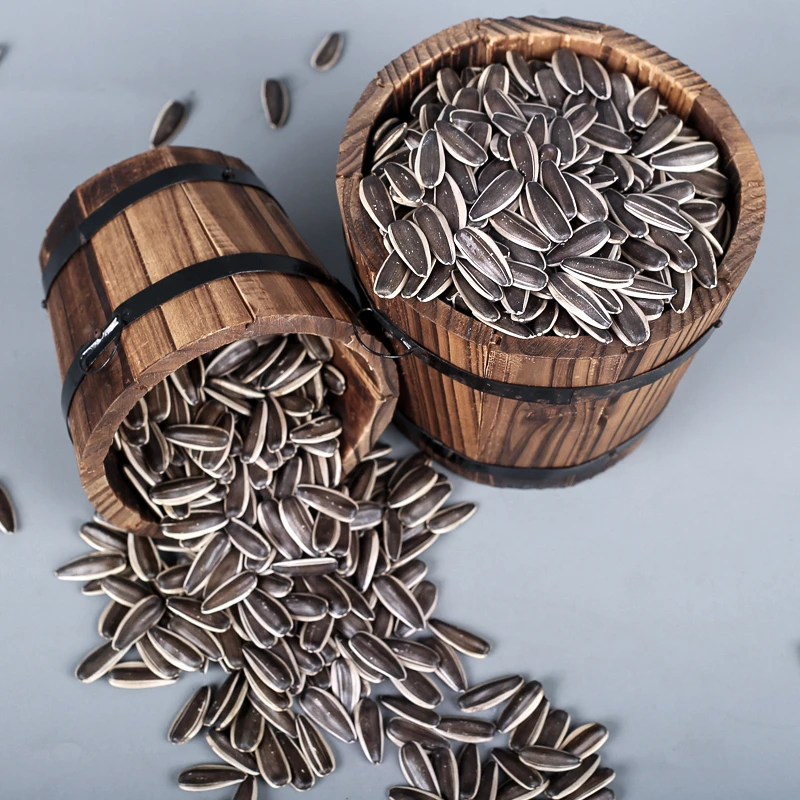
Sunflower seeds are composed of three primary components: the kernel (cotyledon), the hull (pericarp), and the embryo. The kernel contains approximately 50-65% oil, 20-30% protein, and 10-15% carbohydrates. The hull constitutes 20-30% of the seed’s weight and provides physical protection. Manufacturing processes begin with harvesting, typically employing combine harvesters equipped with threshing and cleaning mechanisms. Seed quality directly affects the efficiency of these processes. Post-harvest drying is crucial; moisture content must be reduced to 8-10% to prevent fungal growth and mycotoxin production. This is typically accomplished through forced-air drying systems, requiring precise temperature and airflow control. Grading involves physical separation based on size, shape, and density, often utilizing screens and air separators. For discounted products, the manufacturing emphasis shifts towards efficiently processing seeds with inherent imperfections. Oil extraction, when applicable, utilizes mechanical pressing or solvent extraction (typically hexane), requiring stringent safety protocols and solvent recovery systems. Protein seed processing involves dehulling, grinding, and potentially further refining depending on the intended application. Material degradation during these processes, particularly lipid oxidation in the kernel, is a key concern mitigated by the addition of antioxidants like Vitamin E and proper storage conditions.
Performance & Engineering
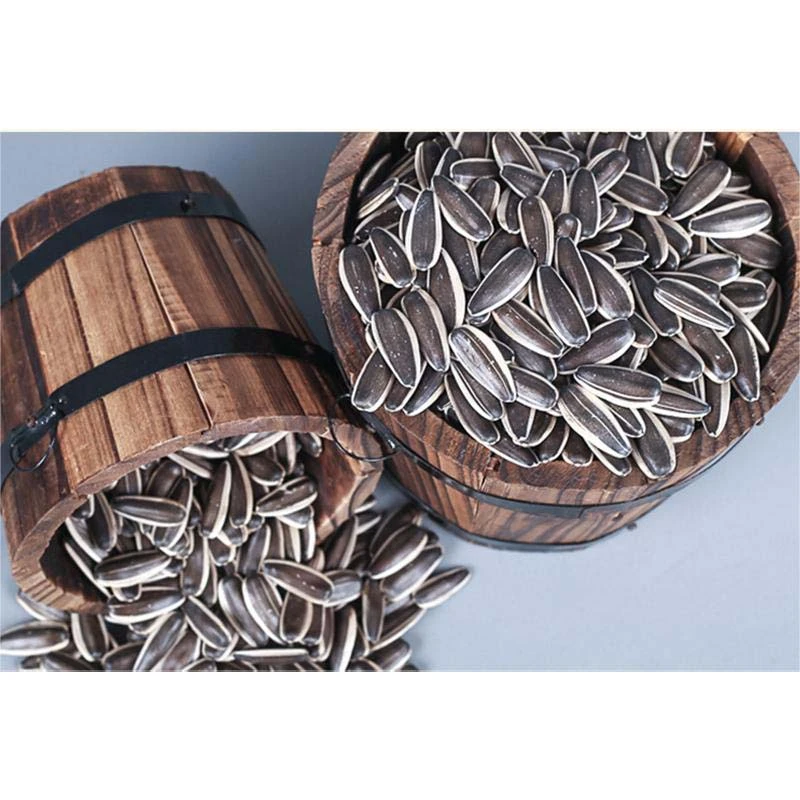
The performance of sunflower seeds, specifically regarding discounted lines, is intimately linked to their structural integrity and biochemical composition. The hull’s mechanical strength determines resistance to cracking during handling and processing, directly impacting yield. Kernel oil content and fatty acid profile dictate the oil's suitability for various applications (e.g., edible oil, biodiesel). Engineering considerations center on minimizing losses during processing. This involves optimizing screen sizes for grading, adjusting pressing pressures for oil extraction, and ensuring efficient airflow in drying systems. Transportation and storage are critical. Seed density influences segregation during transport; variations can lead to uneven distribution of quality within a bulk shipment. Environmental resistance focuses on protecting seeds from moisture ingress, temperature fluctuations, and pest infestation. Silos and storage containers require proper ventilation and humidity control. Compliance requirements include adherence to food safety standards (e.g., HACCP), pesticide residue limits (regulated by national authorities), and mycotoxin thresholds (established by organizations like the European Food Safety Authority – EFSA). Finite element analysis (FEA) can be used to model stress distribution within the kernel during processing, helping optimize equipment parameters and minimize damage.
Technical Specifications
| Parameter | Unit | Confectionery Grade | Oilseed Grade |
|---|---|---|---|
| Kernel Moisture Content | % | 8.0-10.0 | 9.0-11.0 |
| Kernel Oil Content | % | 40-50 | 45-55 |
| Hull Damage | % | < 5 | < 10 |
| Foreign Matter | % | < 1 | < 2 |
| Kernel Size (Diameter) | mm | 16-20 | 14-18 |
| Acid Value (FFA) | mg KOH/g | < 0.5 | < 1.0 |
Failure Mode & Maintenance
Sunflower seed degradation and failure modes are multifaceted. The primary failure mode during storage is lipid oxidation, leading to rancidity and reduced oil quality. This is exacerbated by high temperatures, oxygen exposure, and the presence of metal ions. Hull cracking, a common defect in discounted lines, increases susceptibility to insect infestation and moisture absorption. Microbial growth, particularly Aspergillus species, can result in aflatoxin contamination, a severe food safety hazard. Mechanical damage during processing (e.g., crushing, grinding) can lead to fines (small particles) that reduce product value and create dust explosion risks. Maintenance of processing equipment is critical. Regular cleaning of dryers, graders, and oil extraction systems prevents buildup of debris and contamination. Periodic inspection and replacement of worn parts (e.g., screens, belts, bearings) ensures optimal performance and minimizes downtime. Storage facility maintenance involves pest control programs, regular temperature and humidity monitoring, and structural integrity checks. Preventative measures include nitrogen flushing of storage silos to reduce oxygen levels and the application of food-grade coatings to hulls to minimize moisture absorption.
Industry FAQ
Q: What are the key differences in quality control for confectionery versus oilseed sunflower seeds, and how do these impact discount pricing?
A: Confectionery seeds require stricter grading for kernel size, shape, and the absence of hull damage, significantly raising production costs. Oilseed grading focuses more on oil content and free fatty acid levels. Discounted seeds often exhibit higher hull damage or inconsistent kernel size, making them unsuitable for confectionery markets and thus commanding lower prices.
Q: How does moisture content affect the long-term storage stability of sunflower seeds?
A: High moisture content (>11%) promotes microbial growth, particularly molds that produce mycotoxins like aflatoxins. It also accelerates lipid oxidation, leading to rancidity. Maintaining low moisture levels through proper drying and storage conditions is paramount for preventing spoilage.
Q: What are the common methods for mitigating the risk of aflatoxin contamination in discounted sunflower seed lots?
A: Thorough visual inspection for mold growth is the first step. Seed cleaning and segregation to remove visibly damaged kernels are crucial. The use of antifungal treatments (where permitted by regulations) can inhibit mold growth. Regular testing for aflatoxin levels using ELISA or HPLC methods is essential for verifying safety.
Q: What engineering controls can be implemented to minimize mechanical damage during sunflower seed processing?
A: Optimizing equipment settings (e.g., pressing pressures, screen sizes, conveyor speeds) is key. Utilizing impact-resistant materials in processing equipment reduces kernel breakage. Implementing dust control systems minimizes the risk of dust explosions and preserves product quality.
Q: How do international standards influence the trade and pricing of sunflower seeds?
A: Standards set by organizations like the USDA (US Department of Agriculture), ISO (International Organization for Standardization), and EFSA (European Food Safety Authority) define quality parameters, safety limits, and testing methodologies. Adherence to these standards is crucial for international trade, and deviations can significantly impact pricing.
Conclusion
Sunflower seed discount pricing is intrinsically linked to quality deviations and processing efficiencies. A comprehensive understanding of the material science, manufacturing processes, and performance parameters governing sunflower seed quality is essential for mitigating risks associated with discounted purchases. Effective quality control measures, robust storage protocols, and preventative maintenance programs are critical for ensuring product safety and maximizing value.
Future advancements in seed genetics and processing technologies will likely focus on improving hull strength, increasing oil content, and enhancing resistance to lipid oxidation. Furthermore, the implementation of real-time monitoring systems and predictive analytics could optimize processing parameters and minimize waste, ultimately leading to more sustainable and cost-effective sunflower seed production.
