Introduction
Sunflower seeds, Helianthus annuus, represent a significant agricultural commodity globally, experiencing fluctuating market dynamics driven by yield, demand for edible oil, and snack food consumption. The "sunflower seed discounts price product" designation refers specifically to the wholesale and bulk offerings targeted towards food processors, distributors, and retailers. This guide will detail the critical technical aspects impacting the quality, shelf life, and processing characteristics of these seeds, addressing the core concerns of procurement professionals and quality control engineers. Performance is evaluated across multiple parameters including oil content, moisture activity, hulling percentage, and freedom from contaminants, all influencing cost-effectiveness and final product quality. Understanding these factors is paramount in optimizing supply chain management and maintaining consistent product standards.
Material Science & Manufacturing
Sunflower seeds are composed primarily of oil (35-55%), protein (18-25%), carbohydrates (10-20%), and fiber (5-10%). The oil composition varies by cultivar, with linoleic acid being the predominant fatty acid (typically 60-70%), followed by oleic acid (15-30%). The seed hull, or pericarp, provides a protective barrier and is composed primarily of cellulose and lignin. Manufacturing begins with seed selection and harvesting. Optimal maturity is critical; premature harvesting results in lower oil content and smaller seed size, while over-maturity can lead to seed splitting and increased susceptibility to fungal growth. Post-harvest processing involves cleaning to remove debris, drying to reduce moisture content (typically to 8-10%), and grading based on size and quality. Dehulling is a common practice, separating the kernel from the hull. This is achieved mechanically using abrasive or impact methods. Parameter control during drying is vital, as excessive heat can denature proteins and degrade oil quality. Precise control of air flow and temperature is necessary to avoid cracking the seeds. Chemical compatibility with storage containers is also a key consideration; polyethylene and polypropylene are commonly used due to their low permeability to oxygen and moisture.
Performance & Engineering
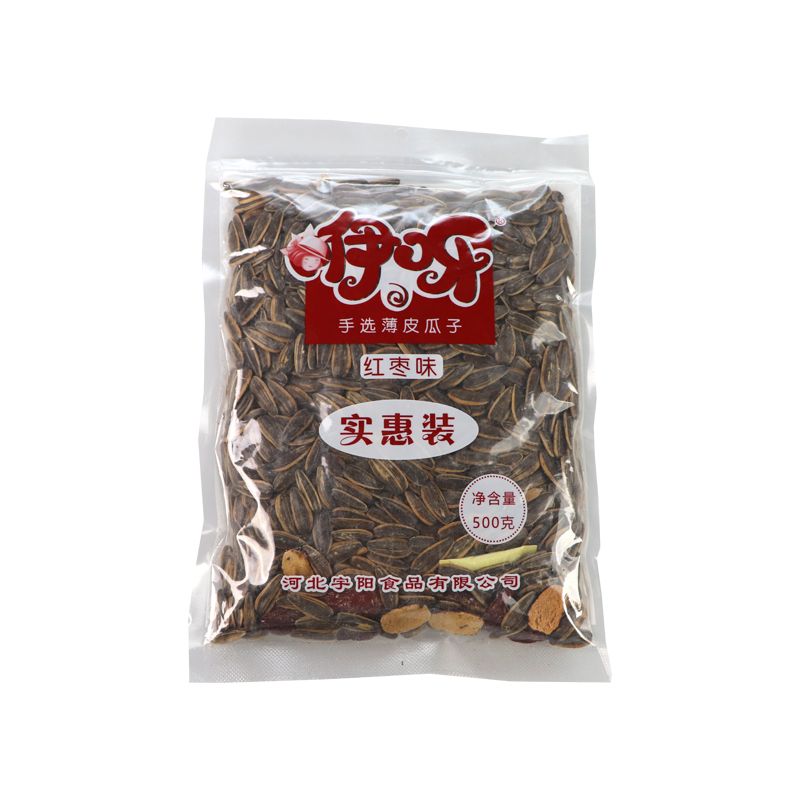
The engineering performance of sunflower seeds, as related to bulk handling and processing, centers around their physical properties. Impact resistance, measured by impact energy during dehulling, is a crucial factor minimizing kernel breakage. Friction coefficient dictates flowability in conveying systems; high friction can lead to bridging and uneven processing. Moisture content directly influences these properties. Environmental resistance is primarily focused on preventing oxidative rancidity of the oil. This is mitigated through proper storage conditions (low temperature, low oxygen, dark environment) and the potential addition of antioxidants such as tocopherols (Vitamin E). Compliance requirements revolve around food safety standards, including maximum levels of aflatoxins and other mycotoxins. Force analysis during dehulling operations needs to consider the seed's shell strength and the fragility of the kernel. Excessive force results in damaged kernels and increased fines. Furthermore, understanding the thermal conductivity of the seeds is critical for optimizing roasting or extrusion processes, ensuring uniform heat distribution and preventing scorching. The size distribution also significantly impacts the performance of sorting and grading equipment, demanding consistent seed dimensions for efficient operation.
Technical Specifications
| Parameter | Unit | Typical Value (Oilseed Variety) | Typical Value (Confectionery Variety) |
|---|---|---|---|
| Oil Content (Dry Basis) | % | 48-55 | 35-45 |
| Moisture Content | % | 8-10 | 8-10 |
| Kernel Size (Average Diameter) | mm | 6-8 | 8-10 |
| Hulling Percentage | % | 60-70 | 75-85 |
| Acid Value | mg KOH/g | <1.0 | <0.5 |
| Peroxide Value | meq O2/kg | <5.0 | <3.0 |
Failure Mode & Maintenance
Sunflower seeds are susceptible to several failure modes. Oxidative rancidity is a primary concern, leading to off-flavors and reduced nutritional value. This occurs through lipid peroxidation, accelerated by heat, light, and oxygen exposure. Fungal contamination, particularly by Aspergillus species, results in aflatoxin production, rendering the seeds unsafe for consumption. Physical damage during handling and processing (cracking, chipping) reduces quality and increases fines. Insect infestation can lead to significant losses. Maintenance of proper storage conditions is crucial: temperature control (below 15°C), humidity control (below 65%), and pest control are essential. Regular monitoring for aflatoxins and peroxide value is recommended. Preventative measures include thorough cleaning and disinfection of storage facilities and transportation equipment. Properly functioning drying and dehulling equipment is vital to minimize physical damage. Implementing a first-in, first-out (FIFO) inventory management system helps ensure older stock is used before newer stock, minimizing the risk of prolonged storage and degradation. Additionally, packaging materials with low oxygen permeability are crucial for extending shelf life.
Industry FAQ
Q: What is the significance of the acid value in sunflower seeds?
A: The acid value indicates the amount of free fatty acids present in the oil. A higher acid value suggests hydrolysis of triglycerides, potentially due to improper storage or processing conditions. Elevated acid values contribute to off-flavors and reduced oil quality, impacting suitability for edible oil production. It’s a direct indicator of rancidity initiation.
Q: How do different sunflower seed varieties impact oil yield and composition?
A: High-oleic varieties generally yield oil with a higher oleic acid content, improving oxidative stability and extending shelf life. Linoleic varieties are more common but are more susceptible to rancidity. Oilseed varieties prioritize high oil yield, while confectionery varieties focus on larger kernel size and a lighter hull for direct consumption.
Q: What are the acceptable limits for aflatoxins in sunflower seeds, and how are they monitored?
A: Regulatory limits for aflatoxins vary by country, but generally fall between 2-10 ppb (parts per billion). Monitoring is typically performed using ELISA (Enzyme-Linked Immunosorbent Assay) or HPLC (High-Performance Liquid Chromatography) methods. Regular testing is crucial to ensure compliance with food safety standards.
Q: How does moisture content affect the long-term storage stability of sunflower seeds?
A: High moisture content promotes fungal growth and enzymatic activity, accelerating degradation. Maintaining a moisture content of 8-10% is critical for preserving seed quality during storage. Proper drying and packaging with moisture barriers are essential.
Q: What considerations should be made when selecting packaging materials for bulk sunflower seed storage?
A: Packaging materials should have low oxygen permeability, low moisture vapor transmission rate (MVTR), and be food-grade compliant. Polyethylene (PE) and polypropylene (PP) are commonly used, but multi-layer films with barrier layers (e.g., EVOH) offer enhanced protection. Consideration should also be given to the packaging’s resistance to puncture and abrasion during handling.
Conclusion
Sunflower seed quality, as it pertains to "sunflower seed discounts price product", is a multifaceted issue extending beyond simple price per unit. The interplay of genetic cultivar, post-harvest handling, and storage conditions fundamentally dictates its processing characteristics and final product value. A robust understanding of oil content, moisture activity, and the potential for contaminant growth is critical for successful procurement.
Effective supply chain management must prioritize proactive monitoring of key parameters, including acid and peroxide values, alongside adherence to stringent food safety regulations concerning aflatoxin levels. Long-term preservation of value requires selecting appropriate packaging and implementing robust storage protocols minimizing oxidative degradation and pest infestation. Continued research into improved harvesting techniques and storage technologies remains vital for optimizing this essential agricultural commodity.
