Introduction
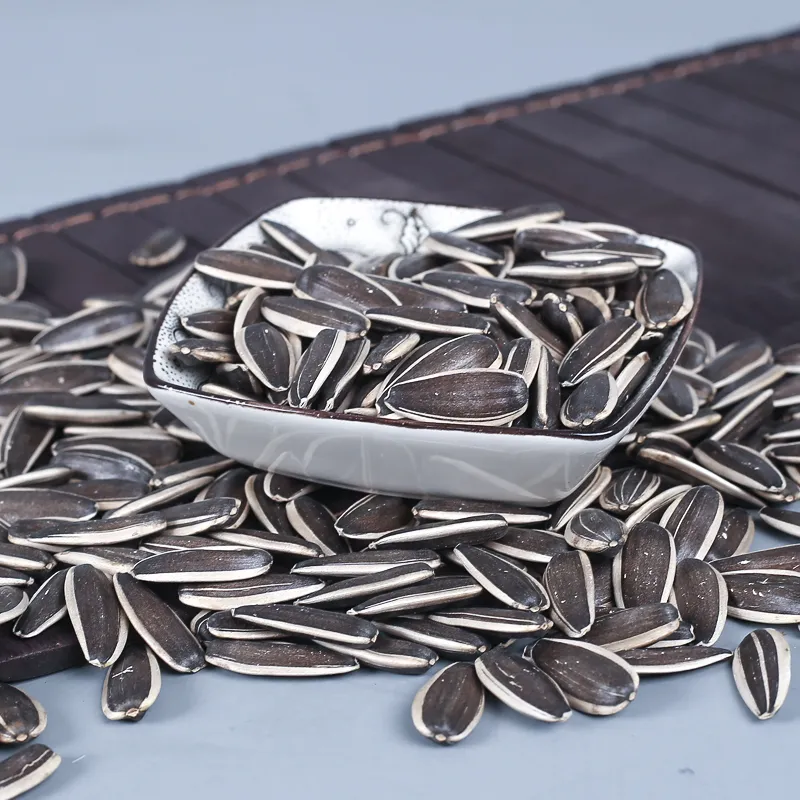
Sunflower seed discounts price manufacturers operate within a complex agricultural commodity chain, positioning themselves as critical intermediaries between large-scale farming operations and food processing/consumer markets. This guide provides an in-depth technical overview of the factors influencing sunflower seed pricing, quality control, and logistical considerations essential for B2B procurement. Sunflower seeds ( Helianthus annuus ) are classified based on oil content (high-oleic, mid-oleic, and linoleic), hull percentage (black oil, confectionary), and size, each impacting price and end-use application. The core performance metric for these manufacturers centers around consistent supply, competitive pricing based on market fluctuations and contract negotiations, adherence to stringent food safety standards, and efficient supply chain management to minimize losses from spoilage or damage. Price discounts are primarily driven by volume purchases, seasonal availability, contract length, and grading standards which dictate market value. Understanding these nuances is paramount for efficient procurement and risk mitigation.
Material Science & Manufacturing
The foundational material science of sunflower seeds revolves around their composition: approximately 35-55% oil, 20-40% protein, 10-20% carbohydrates (primarily starch), and 5-15% moisture. Seed quality is directly correlated with the lipid profile, specifically the fatty acid composition. High-oleic sunflower seeds, favored for their stability and health benefits, require specific agricultural practices and genetic varieties. Manufacturing, in this context, centers on post-harvest processing. This includes cleaning (removal of debris, dust, and foreign matter using air separation, sieving, and magnetic separation), drying (reducing moisture content to 8-10% to prevent mold growth and lipid oxidation – typically achieved using fluid bed dryers operating at controlled temperature and airflow rates), dehulling (removal of the hull using impact or friction methods), grading (classification based on size, shape, and oil content using optical sorters and gravity separators), and storage (controlled atmosphere warehousing to maintain seed viability and prevent degradation). Key parameter control during drying is critical; temperatures exceeding 45°C can denature proteins and negatively impact oil quality. Dehulling efficiency impacts yield and the quality of by-products (hull biomass for fuel or animal feed). Chemical compatibility considerations involve avoiding contact with reactive metals (e.g., iron) that can catalyze oxidation reactions, and the proper selection of food-grade lubricants for processing equipment.
Performance & Engineering
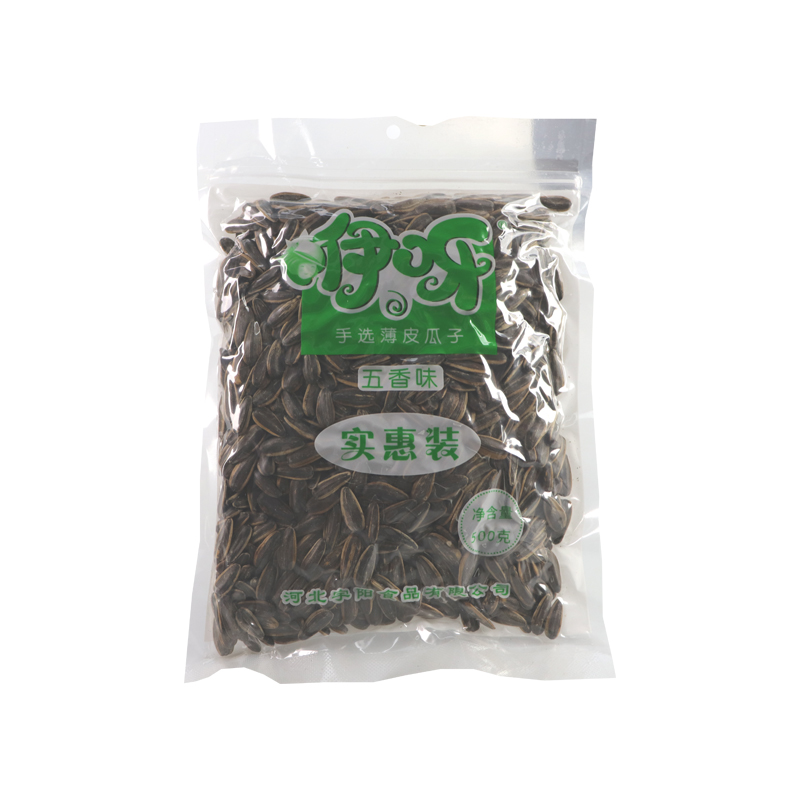
The performance of sunflower seed discounts price manufacturers is assessed through a combination of logistical efficiency, quality assurance, and price competitiveness. From an engineering perspective, bulk storage systems require careful consideration of stress analysis to prevent structural failure under significant weight. Silo design must account for the angle of repose of sunflower seeds to ensure proper discharge. Conveyor systems, vital for moving seeds through processing stages, must be engineered to minimize impact damage and prevent seed breakage. Environmental resistance is crucial; facilities must be designed to protect against moisture ingress, pest infestations (especially insects and rodents), and temperature fluctuations. Compliance requirements are extensive, including adherence to HACCP (Hazard Analysis and Critical Control Points) principles, USDA/EU food safety regulations, and potentially organic certification standards (depending on the sourcing). Force analysis is relevant in assessing the durability of seed handling equipment. Shear forces during dehulling and compressive forces during packaging must be controlled to minimize seed damage. Furthermore, the thermal properties of seeds influence drying rates and storage stability; understanding specific heat capacity and thermal conductivity is essential for optimizing processing parameters. Particle size distribution impacts flowability and the efficiency of separation processes.
Technical Specifications
| Parameter | Unit | High-Oleic Seed | Mid-Oleic Seed |
|---|---|---|---|
| Oil Content | % (Dry Basis) | 50-58 | 42-50 |
| Oleic Acid Content | % of Total Fatty Acids | >75 | 20-40 |
| Linoleic Acid Content | % of Total Fatty Acids | <15 | 50-65 |
| Moisture Content (Max) | % | 9 | 9 |
| Foreign Matter (Max) | % | 1 | 1 |
| Broken Kernels & Hull Fragments (Max) | % | 3 | 3 |
Failure Mode & Maintenance
Sunflower seed degradation and failure modes encountered in storage and handling are primarily related to lipid oxidation, moisture absorption, pest infestation, and physical damage. Lipid oxidation, leading to rancidity and reduced oil quality, is accelerated by heat, light, and the presence of trace metals. Moisture absorption promotes mold growth ( Aspergillus , Penicillium ) and the production of mycotoxins, rendering the seeds unfit for consumption. Pest infestations cause direct seed loss and contamination. Physical damage during processing (cracking, chipping) reduces market value. Failure analysis of processing equipment reveals common issues like bearing failure in conveyor systems (due to improper lubrication or overload), wear on dehulling rollers (requiring periodic replacement), and clogging in air separation systems (due to dust accumulation). Preventive maintenance programs should include regular inspection of equipment, lubrication schedules, cleaning protocols, and environmental monitoring (temperature, humidity, pest activity). Storage facilities require proper ventilation, temperature control, and pest control measures. Periodic seed quality testing (oil content, fatty acid profile, moisture content, mycotoxin levels) is crucial for identifying and addressing potential issues before they escalate. Furthermore, proper sanitation procedures are vital to prevent cross-contamination during processing.
Industry FAQ
Q: What factors contribute most significantly to price volatility in the sunflower seed market?
A: Several factors contribute to price volatility. Global weather patterns (droughts or excessive rainfall in major growing regions like Ukraine, Russia, and the US) heavily influence supply. Geopolitical events (trade disputes, political instability) can disrupt supply chains and drive up prices. Currency fluctuations (particularly the USD/EUR exchange rate) also play a role. Finally, demand from the edible oil industry and the livestock feed market directly impacts pricing.
Q: How do different grading standards (e.g., USDA vs. EU) impact the pricing and acceptability of sunflower seeds?
A: Different grading standards establish different quality thresholds, impacting price. USDA standards focus on oil content, hull damage, and foreign matter, while EU standards place a greater emphasis on mycotoxin levels and pesticide residues. Seeds meeting higher standards command a premium price. Acceptability depends on the end-user's requirements and regulatory compliance obligations.
Q: What are the primary methods for mitigating the risk of mycotoxin contamination in sunflower seeds?
A: Mitigation strategies include sourcing seeds from reputable suppliers with robust quality control programs, implementing proper pre-harvest and post-harvest handling practices (avoiding mechanical damage, prompt drying), utilizing effective storage conditions (low moisture content, good ventilation), and regularly testing for mycotoxin levels. The use of antifungal treatments may also be considered, subject to regulatory approval.
Q: What logistical considerations are crucial for minimizing losses during bulk transportation of sunflower seeds?
A: Crucial logistical considerations include using appropriate transportation containers (e.g., flexible intermediate bulk containers - FIBCs) designed to protect against moisture ingress and physical damage, optimizing loading and unloading procedures to minimize seed breakage, controlling temperature and humidity during transport, and implementing a robust tracking system to monitor shipment progress.
Q: How does the increasing demand for high-oleic sunflower oil impact the supply and pricing of high-oleic sunflower seeds?
A: The growing demand for high-oleic sunflower oil, driven by its health benefits and stability, is increasing demand for high-oleic sunflower seeds. This increased demand, coupled with the specialized agricultural practices required to produce high-oleic varieties (which may result in lower yields compared to conventional varieties), has led to a premium price for high-oleic seeds. Supply constraints can further exacerbate price fluctuations.
Conclusion
Sunflower seed discounts price manufacturers operate in a highly sensitive commodity market dictated by agricultural yields, global events, and evolving consumer demands. Successful operation necessitates a meticulous understanding of seed quality parameters – oil content, fatty acid profiles, and moisture levels – coupled with efficient logistical infrastructure and adherence to stringent food safety regulations. Prioritizing preventative maintenance of processing equipment and implementing proactive quality control measures are essential for minimizing losses and maximizing profitability.
Looking ahead, the industry will likely see increased emphasis on sustainable farming practices, traceability technologies (blockchain for supply chain transparency), and the development of new seed varieties with enhanced nutritional profiles and improved resilience to climate change. Procurement managers must anticipate these trends and establish long-term partnerships with reliable suppliers committed to innovation and quality. Continuous monitoring of market dynamics and investment in advanced processing technologies will be critical for maintaining competitiveness.
