Introduction
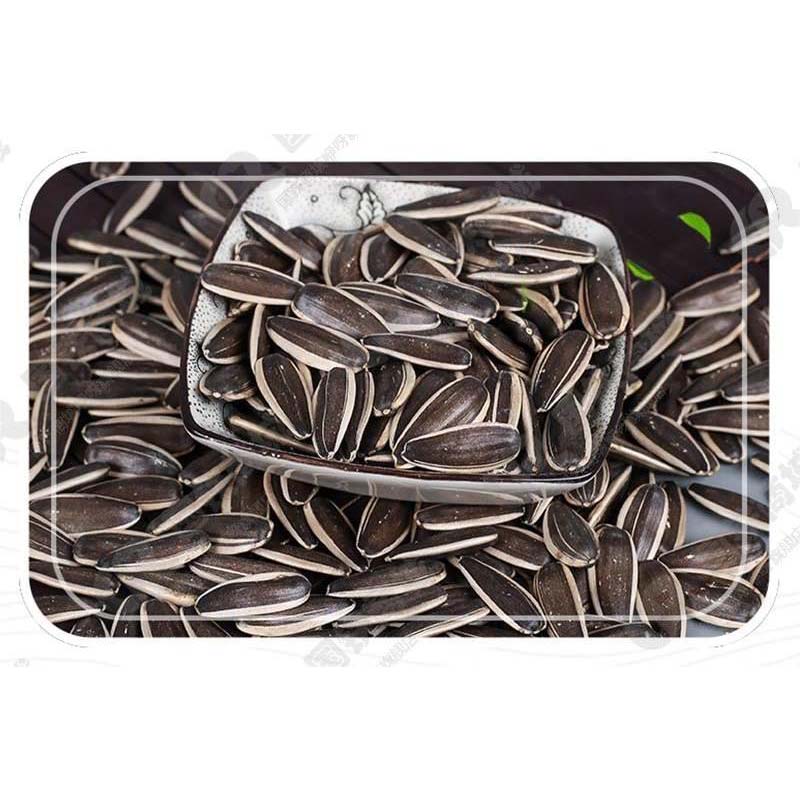
Sunflower seed discounting and factory pricing represent a critical component of the global edible seed market, operating within a complex supply chain linking agricultural production to consumer packaged goods. This guide details the technical and logistical facets impacting pricing strategies, quality control, and international trade of sunflower seeds. Specifically, we will focus on the interplay between seed characteristics (oil content, kernel size, hull percentage), processing parameters (dehulling, drying, roasting, seasoning), packaging techniques, and the resultant cost structures that drive factory-level discounting. The industry faces significant challenges regarding post-harvest losses, aflatoxin contamination, and maintaining consistent quality across varied geographic origins. This analysis aims to provide a comprehensive technical overview for procurement managers, quality assurance engineers, and supply chain professionals involved in sourcing sunflower seeds.
Material Science & Manufacturing
Sunflower seeds ( Helianthus annuus ) possess a complex biochemical composition influencing their processing characteristics and final product quality. The kernel comprises approximately 40-55% oil, 20-30% protein, 10-20% carbohydrates, and 5-15% moisture. Oil content varies significantly based on cultivar, growing conditions, and maturity. The hull, comprising 20-50% of the seed weight, consists primarily of cellulose and lignin, impacting dehulling efficiency. Manufacturing begins with harvesting and initial drying to reduce moisture content to 8-10% to prevent microbial growth and auto-oxidation of lipids. Dehulling, employing mechanical abrasion or impact methods, is crucial for producing kernel-based snacks and oilseed products. Inefficient dehulling leads to increased hull fragments, reducing product appeal and increasing processing waste. Subsequent roasting, typically between 120-180°C, develops flavor compounds via Maillard reactions and alters the seed’s texture. Seasoning involves applying salt, spices, or coatings, requiring precise control of adhesion and distribution. Packaging, commonly utilizing multi-layer films (PET/PE or OPP/PE), provides barrier protection against oxygen, moisture, and light, crucial for maintaining product freshness and preventing rancidity. Parameter control during drying (temperature, airflow), roasting (temperature, duration, humidity), and coating (viscosity, spray rate) is vital for achieving consistent product quality and minimizing defects.
Performance & Engineering
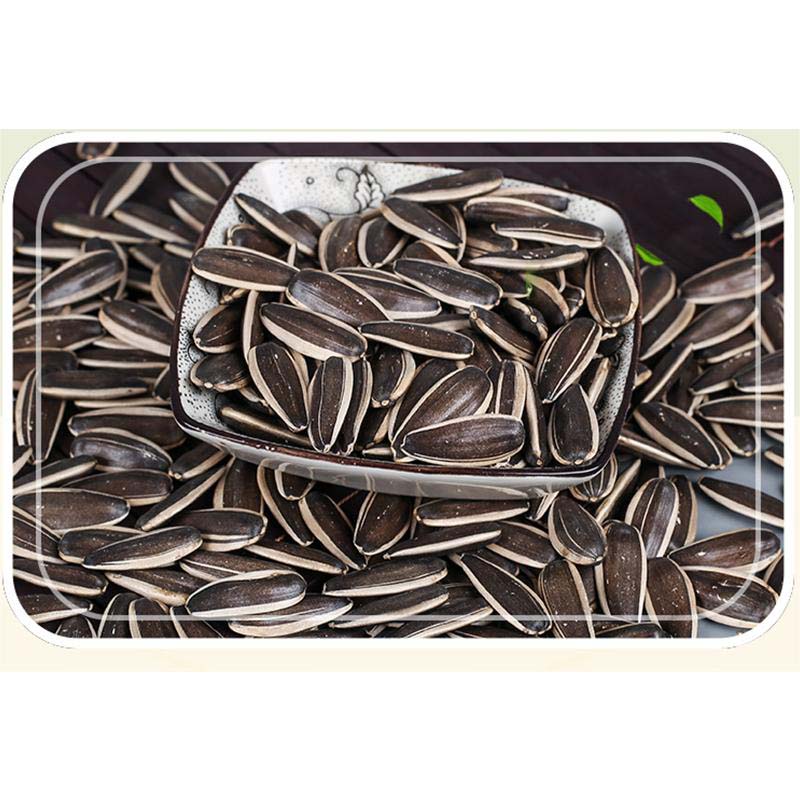
The structural integrity of sunflower seeds is defined by their kernel hardness and hull strength, directly impacting processing efficiency and resistance to damage during handling and transportation. Force analysis reveals that the energy required for dehulling is inversely proportional to kernel moisture content and positively correlated with hull thickness. Environmental resistance, specifically susceptibility to aflatoxin contamination (produced by Aspergillus flavus and Aspergillus parasiticus fungi), is a major concern. Optimal storage conditions (low temperature, low humidity) are critical for minimizing aflatoxin production. Compliance requirements vary by region, with the EU imposing stringent limits on aflatoxin levels (typically <2 ppb). Engineering aspects focus on optimizing processing equipment for throughput, minimizing seed breakage, and ensuring hygienic operation. Flow rate calculations and material balance analyses are essential for scaling up production. Furthermore, the thermal conductivity and heat capacity of sunflower seeds influence roasting uniformity and must be considered during process design. Optimizing packaging materials to minimize oxygen transmission rate (OTR) and water vapor transmission rate (WVTR) is crucial for extending shelf life and preserving product quality. Automated sorting systems utilizing optical sensors are increasingly employed to remove defective seeds based on size, shape, and color.
Technical Specifications
| Parameter | Units | Typical Range | Test Method |
|---|---|---|---|
| Oil Content (Dry Basis) | % | 48-58 | NMR (Nuclear Magnetic Resonance) |
| Kernel Size (Average Diameter) | mm | 8-12 | Sieve Analysis |
| Hull Percentage | % | 20-40 | Weight Difference (Pre/Post-Dehulling) |
| Moisture Content | % | 7-10 | Oven Drying Method (AOAC) |
| Aflatoxin Level (B1, B2, G1, G2) | ppb | <2 (EU Limit) | HPLC (High-Performance Liquid Chromatography) |
| Peroxide Value (Indicator of Rancidity) | meq O2/kg | <10 | Titration (AOCS Method) |
Failure Mode & Maintenance
Sunflower seed products are susceptible to several failure modes. Fatigue cracking of kernels can occur during processing due to excessive mechanical stress. Delamination of the kernel, often caused by rapid temperature changes during roasting, compromises structural integrity. Degradation of oil quality, manifesting as rancidity, results from lipid oxidation and is accelerated by exposure to oxygen, light, and heat. Aflatoxin contamination, as mentioned, poses a significant health risk. Hull fragments present aesthetic issues and can contribute to a gritty texture. Maintenance strategies involve regular cleaning and inspection of processing equipment to prevent contamination and ensure optimal performance. Proper temperature and humidity control in storage facilities is critical for minimizing degradation and aflatoxin growth. Implementing a robust HACCP (Hazard Analysis and Critical Control Points) plan is essential for identifying and mitigating potential hazards throughout the entire supply chain. Regular oil quality testing (peroxide value, acid value) helps monitor degradation. Preventive maintenance schedules for dehulling and roasting equipment reduce the risk of mechanical failures and seed damage. Regular calibration of sorting equipment ensures accurate defect removal.
Industry FAQ
Q: What factors primarily drive fluctuations in sunflower seed factory pricing?
A: Factory pricing is heavily influenced by several interconnected factors. The global sunflower seed harvest yield directly impacts supply availability. Weather patterns in key growing regions (Ukraine, Russia, Argentina, USA) are crucial. Currency exchange rates play a significant role, particularly when sourcing from international suppliers. Crude oil prices influence the demand for sunflower oil, impacting kernel prices. Furthermore, transportation costs (fuel surcharges, shipping rates) and regional import/export tariffs contribute to price variations.
Q: How is aflatoxin contamination controlled during sunflower seed processing?
A: Aflatoxin control is a multi-stage process. It begins with sourcing seeds from reputable suppliers with documented quality control procedures. Pre-processing sorting removes visibly damaged or moldy seeds. Proper drying techniques minimize moisture content, inhibiting fungal growth. Roasting, at sufficiently high temperatures, can destroy aflatoxins, but must be carefully controlled to avoid kernel degradation. Regular testing using HPLC is essential to ensure compliance with regulatory limits. Implementing dust control measures in processing facilities reduces the spread of fungal spores.
Q: What are the key differences between oil-type and confectionery-type sunflower seeds?
A: Oil-type seeds are bred for high oil content (typically >50%) and have a smaller kernel size. They are primarily used for oil extraction. Confectionery-type seeds, conversely, are larger with a thicker hull and lower oil content. They are specifically cultivated for direct consumption as snacks. Confectionery seeds often undergo dehulling and seasoning, whereas oil-type seeds are typically processed for oil extraction without extensive pre-treatment.
Q: What packaging materials are best suited for maintaining sunflower seed freshness?
A: Multi-layer films incorporating PET (polyethylene terephthalate) or OPP (oriented polypropylene) for strength and clarity, combined with PE (polyethylene) for sealing properties, are the most commonly used packaging materials. Aluminum foil layers can be incorporated for enhanced barrier protection against oxygen and light, particularly for extended shelf life products. Modified atmosphere packaging (MAP), utilizing nitrogen flushing to reduce oxygen levels, further extends freshness. The OTR and WVTR of the packaging material are critical specifications.
Q: What quality control tests are essential for assessing sunflower seed quality at the factory level?
A: Essential quality control tests include: moisture content determination (oven drying), oil content analysis (NMR), kernel size and shape assessment (sieve analysis), hull percentage determination (weight difference), aflatoxin testing (HPLC), peroxide value measurement (titration), and visual inspection for defects (broken kernels, foreign matter).
Conclusion
The sunflower seed industry’s discounting and factory pricing are heavily dictated by a confluence of agronomic, processing, and logistical factors. Maintaining consistent quality – particularly controlling aflatoxin contamination and optimizing oil content – is paramount for meeting both regulatory requirements and consumer expectations. Effective supply chain management, incorporating robust quality control protocols and optimized processing parameters, is essential for maximizing profitability and minimizing waste.
Future trends will likely focus on developing sunflower seed cultivars with enhanced aflatoxin resistance, implementing more efficient and sustainable processing technologies, and utilizing advanced packaging materials to extend shelf life and reduce environmental impact. Data analytics and predictive modeling can further optimize pricing strategies and inventory management, enabling manufacturers to respond effectively to market fluctuations and maintain a competitive edge.
