Introduction
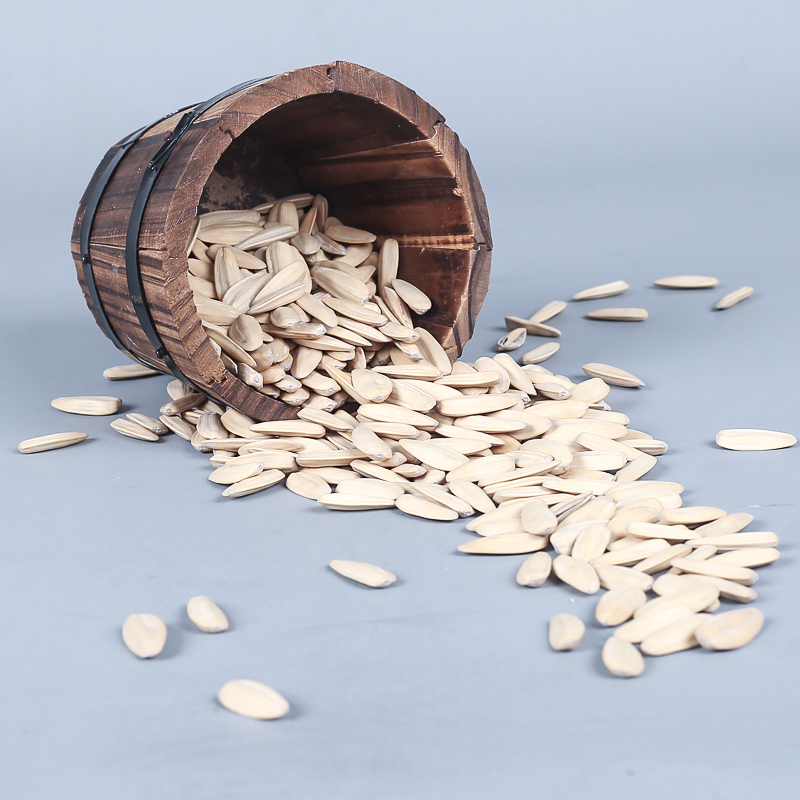
Sunflower seed discount price factories represent a critical node in the agricultural commodity supply chain, bridging production with consumer markets. These facilities specialize in the bulk procurement, processing, quality control, and distribution of sunflower seeds, frequently operating under tight margins and facing intense price competition. Their technical position within the chain involves post-harvest handling, including drying, cleaning, dehulling, sizing, and packaging operations. Core performance characteristics center around minimizing seed damage during processing, maintaining consistent seed quality parameters (oil content, kernel size, moisture content), optimizing throughput efficiency to reduce per-unit costs, and adhering to stringent food safety regulations. The industry faces key pain points surrounding price volatility linked to weather patterns and global yields, maintaining consistent quality across varying seed sources, and managing logistics to minimize transportation costs and preserve seed viability. Discount pricing strategies are intrinsically linked to production surplus, forward contract negotiations, and bulk order capabilities.
Material Science & Manufacturing
Sunflower seeds, Helianthus annuus, consist primarily of an oil-rich kernel (40-60% oil content) enclosed within a hull, or pericarp. The kernel’s oil comprises linoleic acid (dominant, approximately 60%), oleic acid (approximately 30%), and palmitic acid (approximately 5%). The hull is composed largely of cellulose, hemicellulose, and lignin. Raw material variability is significant, influenced by seed variety, growing conditions (soil composition, rainfall, sunlight), and harvest methods. Manufacturing processes begin with receiving and initial quality inspection, utilizing moisture meters and visual sorting. Drying is crucial, typically employing fluidized bed dryers or continuous flow dryers, targeting a moisture content of 8-10% to prevent mold growth and aflatoxin contamination. Dehulling is achieved through impact dehullers or abrasive dehullers, which require precise calibration to minimize kernel damage. Sizing separates seeds based on kernel size using screens. Chemical compatibility is a significant concern; the facilities must use food-grade lubricants and cleaning agents to avoid contamination. Parameter control during drying focuses on maintaining temperature below 50°C to preserve oil quality, while dehulling efficiency is maximized by optimizing impeller speed and feed rate. The hulls themselves, often a byproduct, can be further processed into animal feed or biofuel, adding to the factory’s revenue stream.
Performance & Engineering
The primary engineering challenge is minimizing mechanical damage to the kernels during processing, as this reduces oil yield and impacts seed quality. Force analysis during dehulling involves understanding the impact forces and shear stresses applied to the seed, optimizing impeller design to reduce breakage. Environmental resistance is critical for storage; controlling temperature and humidity prevents rancidity and insect infestation. Facilities must maintain a cool, dry environment (temperature below 25°C and relative humidity below 65%). Compliance requirements encompass food safety standards (HACCP, GMP), pesticide residue limits (established by regulatory bodies like the FDA or EFSA), and aflatoxin limits. Functional implementation requires robust dust control systems to prevent explosions (sunflower seed dust is combustible) and efficient conveyor systems for high-throughput processing. Corrosion resistance is also crucial, as sunflower seeds contain trace amounts of chlorides that can corrode processing equipment, necessitating the use of stainless steel or corrosion-resistant coatings. The entire process is often modeled using discrete element method (DEM) simulations to optimize equipment design and minimize seed damage.
Technical Specifications
| Parameter | Units | Typical Range | Acceptable Tolerance |
|---|---|---|---|
| Kernel Oil Content | % | 48-58 | ±2% |
| Kernel Moisture Content | % | 8-10 | ±0.5% |
| Hull Content (in processed seeds) | % | <5 | ±1% |
| Broken Kernel Percentage | % | <3 | ±0.5% |
| Foreign Material Percentage | % | <1 | ±0.2% |
| Aflatoxin B1 Level | ppb | <20 | Regulatory Limit Dependent |
Failure Mode & Maintenance
Common failure modes include roller bearing failure in dehulling equipment due to abrasive wear from seed fragments, conveyor belt damage from impact and overloading, and clogging of screens due to inconsistent seed size distribution. Fatigue cracking can occur in structural components of drying systems due to thermal stress. Degradation of rubber seals and hoses in pneumatic systems leads to air leaks and reduced efficiency. Oxidation of metal components in humid environments causes corrosion. Regular maintenance involves lubrication of moving parts, inspection of conveyor belts for wear and tear, cleaning of screens to prevent clogging, and calibration of sensors. Non-destructive testing methods, such as ultrasonic testing, can detect cracks in critical components. Predictive maintenance programs utilizing vibration analysis can identify potential bearing failures before they occur. Periodic replacement of worn parts is essential. Proper storage of seeds to prevent moisture absorption and pest infestation is critical to avoiding secondary failures related to seed quality deterioration.
Industry FAQ
Q: What are the key factors influencing sunflower seed oil yield?
A: Oil yield is heavily influenced by seed variety, growing conditions (particularly sunlight and water availability), maturity stage at harvest, and the efficiency of the oil extraction process. Minimizing kernel damage during processing is crucial, as damaged kernels release less oil. Proper drying and storage are also paramount to prevent oil degradation.
Q: How do you ensure consistent seed quality across different suppliers?
A: Implementing rigorous quality control procedures is essential. This involves detailed inspection of incoming seed shipments, including testing for moisture content, oil content, foreign material, and aflatoxin levels. Establishing clear quality specifications and supplier agreements, and conducting regular supplier audits, are also critical.
Q: What are the primary concerns regarding aflatoxin contamination?
A: Aflatoxins are highly toxic carcinogenic compounds produced by certain molds. Strict adherence to HACCP principles, proper drying of seeds, and regular testing for aflatoxin levels are crucial. Facilities must have procedures in place to segregate and discard contaminated batches.
Q: What role does dust control play in a sunflower seed processing facility?
A: Sunflower seed dust is highly combustible, posing a significant explosion hazard. Effective dust control systems, including dust collection hoods, filters, and regular cleaning, are essential for ensuring a safe working environment and preventing catastrophic events.
Q: How can facilities optimize their energy consumption during the drying process?
A: Optimizing airflow rates, controlling drying temperature, and utilizing heat recovery systems can significantly reduce energy consumption. Implementing automated control systems and regularly monitoring dryer performance are also beneficial.
Conclusion
Sunflower seed discount price factories operate within a complex interplay of agricultural factors, engineering constraints, and regulatory requirements. Maintaining profitability necessitates a laser focus on process optimization to minimize damage, maximize oil yield, and ensure consistent seed quality. Effective implementation of quality control measures, stringent adherence to food safety standards, and proactive maintenance strategies are paramount to successful operation.
Looking forward, the industry will likely see increased adoption of precision agriculture techniques to improve seed quality at the source, more sophisticated data analytics to optimize processing parameters, and a greater emphasis on sustainable practices to reduce environmental impact. Continued innovation in dehulling technology and dust control systems will also be critical for enhancing efficiency and safety.
