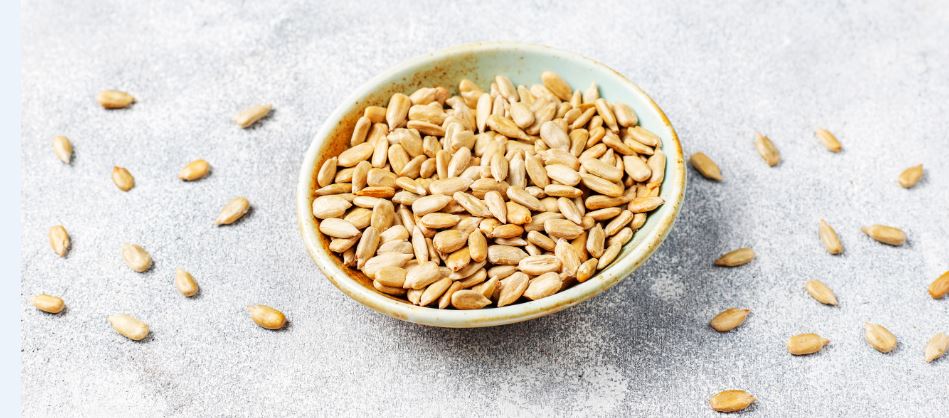
Introduction
Sunflower seed discounts price exportation represents a critical node within the global agricultural commodity chain. This technical guide provides an in-depth analysis of sunflower seed quality parameters, pricing dynamics, logistical considerations, and international trade compliance essential for successful B2B transactions. Sunflower seeds ( Helianthus annuus ) are a significant source of vegetable oil and protein, serving diverse industries including food processing, animal feed, and increasingly, biofuel production. The ‘discounts price’ aspect indicates a focus on competitive pricing strategies, often relating to volume purchasing, seasonal availability, or specific grade classifications. This document will detail the factors influencing price variability, including oil content, kernel size, moisture levels, and defect rates, as well as the logistical challenges involved in maintaining seed integrity throughout the export process. Understanding these variables is paramount for procurement managers and trade specialists navigating the complexities of the international sunflower seed market.
Material Science & Manufacturing
Sunflower seeds comprise three primary components: the hull (pericarp), the kernel (cotyledon), and the embryo. The hull, typically 30-50% of the seed weight, consists of cellulose, lignin, and hemicellulose, offering structural protection. Kernel composition is dominated by lipids (40-55%), proteins (18-25%), carbohydrates (15-20%), and minor components like vitamins and minerals. Lipid profiles vary significantly based on cultivar, with linoleic acid (omega-6) and oleic acid being the dominant fatty acids. Manufacturing, in this context, refers to the post-harvest processing stages. Initial drying is crucial, typically employing forced-air systems to reduce moisture content to below 9%, inhibiting mold growth and preserving oil quality. Dehulling removes the outer shell, improving processing efficiency and product purity. Kernel sizing and grading are performed using mechanical separators, categorizing seeds based on size and shape. Optical sorting systems are increasingly employed to detect and remove discolored or damaged kernels. Critical parameters during processing include temperature control (to prevent oil degradation) and minimizing mechanical damage (to preserve kernel integrity). Seed quality is heavily influenced by growing conditions (soil type, climate, irrigation) and harvest timing. Contamination with mycotoxins (produced by fungal growth) is a key concern, requiring rigorous quality control protocols throughout the supply chain.

Performance & Engineering
The performance of sunflower seeds during export is critically linked to maintaining seed viability and quality throughout the logistical chain. Packaging plays a pivotal role. Common options include polypropylene (PP) woven bags, polyethylene (PE) liners within the PP bags to provide moisture barrier, and jumbo bags (FIBCs) for bulk shipments. Material selection must consider tensile strength, puncture resistance, and UV stability to withstand handling and environmental exposure. Force analysis during loading, unloading, and transportation reveals potential stress points, necessitating appropriate packaging reinforcement. Environmental resistance is paramount. Exposure to high humidity can lead to increased moisture content, promoting mold growth and reducing oil quality. Temperature fluctuations can cause condensation within packaging, exacerbating the problem. Oxygen permeability of packaging materials must be minimized to prevent oxidative degradation of lipids. Compliance requirements include adherence to import regulations concerning pesticide residues, mycotoxin levels, and genetically modified organism (GMO) labeling. Functional implementation involves optimized stacking and securing of packaged seeds within shipping containers to prevent shifting during transit, which can cause damage and seed loss. The use of desiccants within packaging can further mitigate moisture-related issues. Maintaining a consistent cold chain during transport, where feasible, significantly enhances seed quality preservation.
Technical Specifications
| Parameter | Unit | Typical Range (Oilseed Grade) | Acceptable Range (Feed Grade) |
|---|---|---|---|
| Oil Content (Dry Basis) | % | 48-55 | 38-45 |
| Kernel Moisture Content | % | 8.5-9.5 | 12-14 |
| Kernel Size (Screen Size) | mm | 12/64" (18.3 mm) – 14/64" (22.2 mm) | Below 12/64" (18.3 mm) |
| Foreign Matter | % | ≤ 1.0 | ≤ 5.0 |
| Damaged Kernels (Broken/Cracked) | % | ≤ 2.0 | ≤ 10.0 |
| Acid Value | mg KOH/g oil | ≤ 0.5 | ≤ 1.0 |
Failure Mode & Maintenance
Failure modes in sunflower seed exportation can manifest in several forms. Lipid Oxidation: Exposure to oxygen, heat, and light can cause rancidity, reducing oil quality and nutritional value. This is characterized by an increase in peroxide value and the development of off-flavors. Mitigation involves airtight packaging, antioxidant addition (where permitted), and temperature control. Mold Growth & Mycotoxin Contamination: High moisture content and inadequate ventilation promote fungal growth, leading to the production of mycotoxins (e.g., aflatoxins). This is a critical food safety concern. Prevention relies on proper drying, storage in well-ventilated areas, and regular mycotoxin testing. Mechanical Damage: Cracking or breaking of kernels during handling and transportation reduces seed quality and increases susceptibility to oxidation and infestation. Gentle handling practices, appropriate packaging, and securing loads during transport are essential. Insect Infestation: Stored product insects can damage seeds, reducing weight and quality. Pest control measures, including sanitation and the use of appropriate insecticides (compliant with import regulations), are necessary. Delamination/Hull Separation: Improper dehulling or excessive handling can lead to hull separation, reducing seed integrity. Maintenance involves regular inspection of processing equipment and optimization of dehulling parameters. Preventative maintenance schedules for drying and sorting equipment, along with adherence to strict hygiene protocols throughout the supply chain, are crucial for minimizing failures.
Industry FAQ
Q: What is the typical shelf life of exported sunflower seeds, and how is it impacted by storage conditions?
A: The typical shelf life of sunflower seeds under optimal storage conditions (cool, dry, dark, and well-ventilated) is approximately 12-18 months. However, this can be significantly reduced by exposure to heat, moisture, and oxygen. A temperature of 10-15°C and a relative humidity of below 65% are recommended. Regular monitoring of oil quality parameters (peroxide value, acid value) is essential to assess shelf life.
Q: How are mycotoxin levels regulated in major importing countries, and what testing protocols are commonly used?
A: Mycotoxin regulations vary by country. The European Union (EU) has stringent limits for aflatoxins, ochratoxin A, and other mycotoxins. The United States (FDA) also sets maximum permissible levels. Common testing protocols include ELISA (Enzyme-Linked Immunosorbent Assay) for rapid screening and HPLC (High-Performance Liquid Chromatography) with fluorescence detection for more accurate quantification.
Q: What are the key differences between confectionary and oilseed grade sunflower seeds, and how do these differences affect pricing?
A: Confectionary grade seeds are larger, more uniform in size, and have a higher hull percentage. They are intended for direct consumption as snacks. Oilseed grade seeds are typically smaller and may have a higher percentage of damaged kernels. Confectionary grade commands a significantly higher price (typically 20-50% higher) due to stricter quality standards and higher demand.
Q: What logistical considerations are most critical for maintaining seed quality during long-distance sea freight?
A: Maintaining a consistent temperature and humidity level within the shipping container is paramount. Proper ventilation is crucial to prevent condensation. Securing the load to prevent shifting during transit is essential. Utilizing desiccant materials within the packaging can further mitigate moisture-related issues. Monitoring temperature and humidity levels throughout the journey is recommended.
Q: How does the presence of genetically modified (GM) sunflower seeds impact export regulations and market acceptance?
A: The regulations regarding GM sunflower seeds vary significantly by country. The EU requires labeling of GM foods, and some countries have outright bans. Market acceptance of GM seeds is also variable, with some consumers preferring non-GM options. Exporters must be aware of the import regulations of their target markets and ensure accurate labeling and documentation.
Conclusion
Sunflower seed discounts price exportation is a complex endeavor demanding meticulous attention to detail across the entire value chain. Maintaining seed quality, adhering to stringent regulatory standards, and optimizing logistical processes are critical for success. A thorough understanding of material science principles – from kernel composition to packaging material properties – is fundamental. The interplay between moisture control, temperature management, and packaging integrity directly impacts shelf life and market value.
Future trends in the industry will likely focus on sustainable farming practices, improved traceability systems utilizing blockchain technology, and the development of novel packaging materials with enhanced barrier properties. Proactive adaptation to evolving regulations and consumer preferences will be essential for exporters seeking to maintain a competitive advantage in the global sunflower seed market. Implementing robust quality control protocols and investing in advanced analytical capabilities will remain paramount for ensuring product safety and meeting the demands of discerning international buyers.
