Introduction
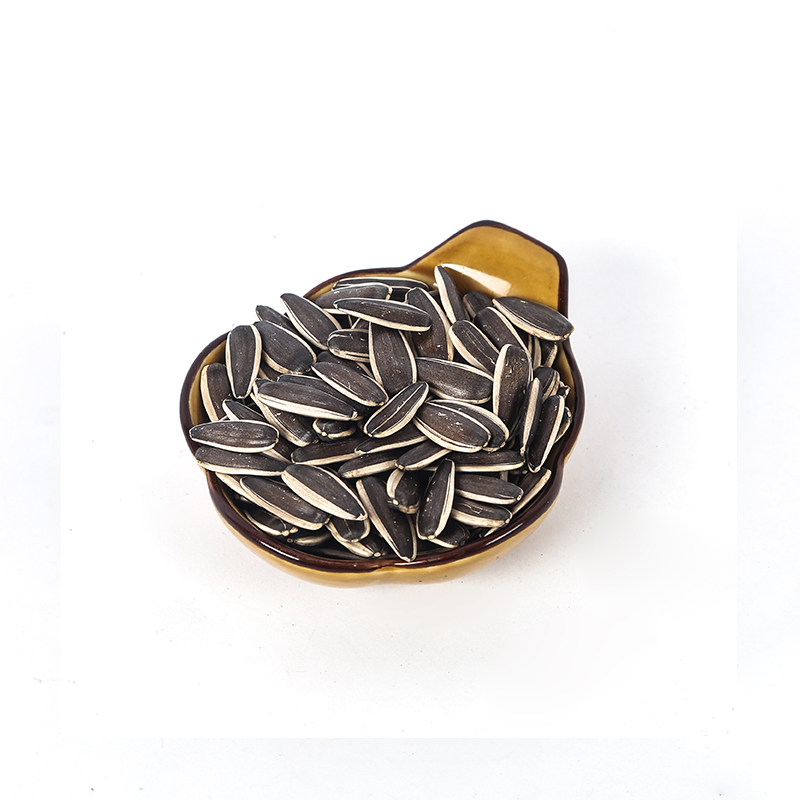
Sunflower oil, a vegetable oil extracted from sunflower seeds, occupies a significant position within the global edible oil market. Suppliers of sunflower oil cater to a diverse range of industries, including food processing, cosmetics, and increasingly, biofuel production. This guide provides an in-depth technical overview of sunflower oil, covering its material science, manufacturing processes, performance characteristics, potential failure modes, and relevant industry standards. A key challenge for procurement managers is ensuring consistent quality due to variations in seed origin, extraction methods, and refining processes. This document aims to address these concerns by detailing the critical parameters that govern sunflower oil suitability for specific applications. Sunflower oil’s rising demand is driven by its relatively neutral flavor profile, high smoke point, and perceived health benefits, though concerns around linoleic acid content and oxidation stability remain central to quality control.
Material Science & Manufacturing
Sunflower oil is primarily composed of triglycerides – esters of glycerol and fatty acids. The fatty acid profile dictates its properties. High oleic sunflower oil, bred for increased oleic acid content (typically >70%), exhibits superior oxidative stability compared to linoleic-rich varieties (typically >60%). Minor components, including phospholipids, sterols, tocopherols (vitamin E), and carotenoids, contribute to color, flavor, and nutritional value. Manufacturing begins with seed preparation: cleaning, dehulling, and flaking. Oil extraction is achieved through mechanical pressing (expelling) or solvent extraction, predominantly using hexane. Solvent extraction yields a higher oil recovery rate. Crude oil then undergoes refining: degumming (removal of phospholipids), neutralization (removal of free fatty acids via alkali treatment), bleaching (removal of color pigments), and deodorization (removal of volatile compounds contributing to odor and flavor). Each step requires precise parameter control. Degumming pH, neutralization temperature, bleaching clay dosage, and deodorization steam flow all impact the final oil quality. Refining losses must be minimized to maximize yield and economic efficiency. The control of residual hexane levels in the final product is also a critical parameter, dictated by food safety regulations. Seed quality, particularly moisture content and free fatty acid levels in the seeds, directly impact oil yield and refining efficiency. Modern suppliers increasingly employ supercritical fluid extraction (SFE) using carbon dioxide as a greener alternative to hexane, though capital costs are higher.
Performance & Engineering
The performance of sunflower oil is critically dependent on its fatty acid composition and refining quality. Key engineering considerations revolve around its rheological properties (viscosity, pour point) impacting pumpability and flow characteristics in processing lines. Its thermal stability, measured by smoke point and flash point, dictates its suitability for frying and high-temperature cooking applications. Oxidative stability, assessed through Rancimat testing, determines shelf life and resistance to rancidity. High oleic varieties exhibit significantly improved oxidative stability compared to linoleic types. The iodine value, a measure of unsaturation, correlates inversely with oxidative stability. Sunflower oil’s dielectric strength is relevant in certain industrial applications (e.g., as a coolant in transformers). Compliance requirements necessitate adherence to maximum levels of contaminants like heavy metals, pesticides, and mycotoxins. Packaging plays a crucial role in preserving oil quality; amber glass or opaque plastic containers are preferred to minimize light-induced oxidation. The behavior of sunflower oil under shear stress is important in food processing applications like emulsification and mayonnaise production. Considerations around cold flow properties are essential for storage and transportation in colder climates, influencing viscosity and potential crystallization.
Technical Specifications
| Parameter | High Oleic Sunflower Oil | Linoleic Sunflower Oil | Refined Sunflower Oil (General) | Units |
|---|---|---|---|---|
| Oleic Acid Content | >70 | <20 | 30-60 | % |
| Linoleic Acid Content | <20 | >60 | 40-70 | % |
| Iodine Value | 85-105 | 110-130 | 90-120 | Wijs Value |
| Acid Value | <0.3 | <0.3 | <0.3 | mg KOH/g |
| Peroxide Value | <1.0 | <1.0 | <1.0 | meq O2/kg |
| Moisture Content | <0.1 | <0.1 | <0.1 | % |
Failure Mode & Maintenance
Sunflower oil degradation primarily occurs through oxidation, hydrolysis, and polymerization. Oxidation, accelerated by light, heat, and metal catalysts (e.g., iron), leads to rancidity and the formation of undesirable flavor compounds. Hydrolysis, driven by the presence of water, results in the release of free fatty acids, increasing the acid value and potentially causing off-flavors. Polymerization leads to increased viscosity and the formation of insoluble gums. Failure modes in storage include sediment formation (due to oxidation products and phospholipids), cloudiness (due to crystallization of saturated fats at low temperatures), and development of off-odors. Maintenance of oil quality relies on proper storage conditions: cool, dark, and dry environments. Nitrogen blanketing of storage tanks minimizes oxygen exposure. Regular monitoring of key parameters (acid value, peroxide value, iodine value) is crucial. Filtering the oil to remove particulate matter and sediment extends shelf life. For suppliers, quality control measures throughout the production process – from seed selection to refining – are paramount. Preventative maintenance of refining equipment (heat exchangers, distillation columns) ensures optimal performance and minimizes the formation of degradation products. Use of appropriate antioxidants (e.g., tocopherols) can significantly enhance oxidative stability, though regulations govern their permitted levels.
Industry FAQ
Q: What is the primary difference between high oleic and linoleic sunflower oil in terms of shelf life and application?
A: High oleic sunflower oil exhibits significantly longer shelf life due to its higher content of monounsaturated fatty acids, making it more resistant to oxidation. This makes it ideal for frying, high-temperature cooking, and applications where extended stability is critical. Linoleic sunflower oil, with its higher polyunsaturated fat content, is more prone to oxidation but offers a different flavor profile and may be preferred in certain food formulations where its unique fatty acid composition is desired.
Q: How do suppliers ensure the absence of residual hexane in the final sunflower oil product?
A: Suppliers utilize vacuum stripping and steam distillation during the refining process to remove residual hexane. Strict quality control measures, including gas chromatography analysis, are employed to verify that hexane levels remain below the regulatory limits established by food safety authorities.
Q: What is the impact of seed quality on the final sunflower oil product, and what steps do suppliers take to mitigate variability?
A: Seed quality significantly impacts oil yield, color, flavor, and stability. Suppliers implement rigorous seed sourcing procedures, including pre-harvest testing for moisture content, free fatty acid levels, and contamination. They also employ cleaning and dehulling processes to remove impurities and ensure optimal seed quality before extraction.
Q: What role does filtration play in maintaining sunflower oil quality during storage and transportation?
A: Filtration removes particulate matter, sediment, and oxidation products that can accelerate degradation and negatively impact oil quality. Suppliers typically employ multi-stage filtration systems, utilizing filter aids like diatomaceous earth, to achieve a high level of clarity and purity.
Q: How are antioxidant levels monitored and controlled in sunflower oil to maximize shelf life while adhering to regulatory requirements?
A: Suppliers utilize analytical techniques like high-performance liquid chromatography (HPLC) to measure tocopherol (vitamin E) content, a natural antioxidant. Antioxidant levels are carefully controlled to optimize stability without exceeding regulatory limits. Synthetic antioxidants are sometimes used, but are subject to stricter regulations and labeling requirements.
Conclusion
Sunflower oil represents a versatile and economically important vegetable oil with applications spanning food, cosmetics, and industrial sectors. The oil’s quality is fundamentally determined by the fatty acid profile of the seed, the efficiency of the extraction and refining processes, and the subsequent storage conditions. Suppliers face ongoing challenges in maintaining consistent quality amidst variations in seed sources and market demands. A deep understanding of the material science, manufacturing parameters, and potential failure modes is crucial for procurement managers seeking to source high-quality sunflower oil.
Future trends are likely to focus on sustainable sourcing practices, advancements in refining technologies (such as supercritical fluid extraction), and the development of sunflower oil varieties with enhanced oxidative stability and tailored fatty acid compositions. Continued investment in quality control measures and adherence to international standards will be essential for maintaining consumer confidence and driving growth in the global sunflower oil market.
