Introduction
Sunflower oil, a vegetable oil extracted from sunflower seeds, occupies a significant position in the global edible oil market. Manufacturers specializing in sunflower oil production are integral to the food processing, culinary, and increasingly, biofuel industries. This guide provides an in-depth technical overview of sunflower oil manufacturing, encompassing material science, processing parameters, quality control, and potential degradation pathways. The industry faces consistent pressure to optimize yield, minimize refining costs, and maintain oil stability against oxidation and thermal degradation. This document addresses these core challenges through a rigorous examination of the entire production lifecycle, from seed selection to finished product packaging. Sunflower oil’s desirability stems from its relatively neutral flavor profile, high smoke point, and favorable fatty acid composition, particularly its high linoleic acid content. However, these characteristics also dictate specific handling and processing requirements to preserve quality and shelf life.
Material Science & Manufacturing
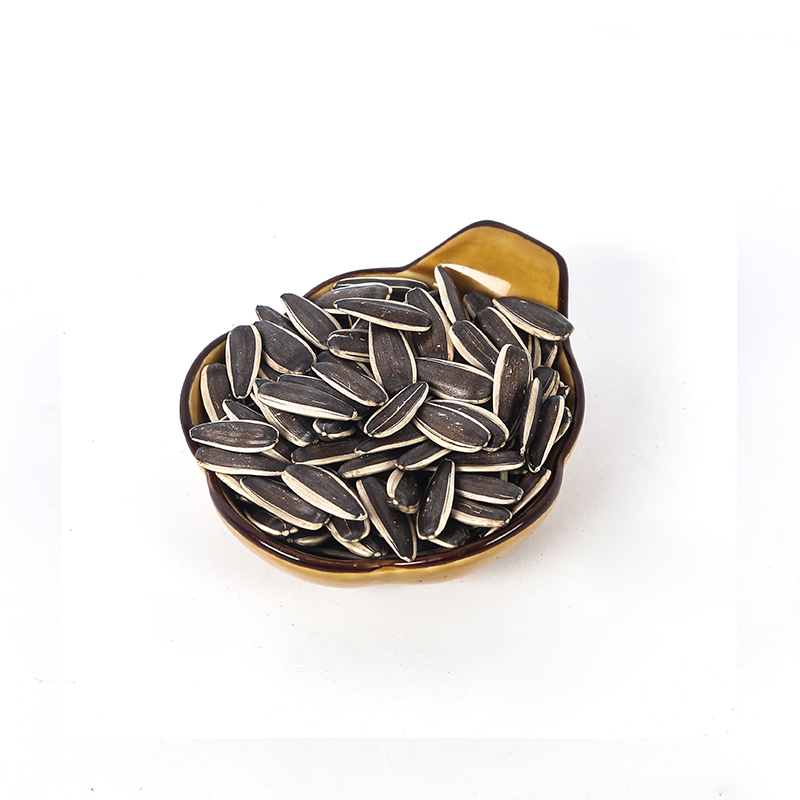
The primary raw material, sunflower seeds, exhibits variability in oil content (38-58%) based on cultivar and growing conditions. Chemically, the oil is predominantly composed of triglycerides, with linoleic acid (C18:2) and oleic acid (C18:1) being the major fatty acid constituents. High-oleic sunflower oil, a genetically modified variant, boasts significantly higher oleic acid content (up to 80%), improving oxidative stability. Manufacturing commences with seed preparation – cleaning, dehulling, and flaking – to increase surface area for efficient oil extraction. The prevalent extraction method is mechanical pressing (expelling) and/or solvent extraction using hexane. Expelling yields lower oil recovery but avoids residual solvent concerns. Solvent extraction offers higher yield but necessitates stringent solvent removal processes adhering to permissible residue limits. Post-extraction, the crude oil undergoes degumming (removal of phospholipids), neutralization (removal of free fatty acids), bleaching (removal of color pigments), and deodorization (removal of volatile compounds contributing to odor and flavor). Each stage employs precise parameter control – temperature, pressure, vacuum, and chemical addition – to optimize efficiency and product quality. For instance, during deodorization, steam stripping under high vacuum (200-220°C) is critical to remove aldehydes and ketones responsible for undesirable flavors. The quality of the hexane used for solvent extraction is crucial; its purity directly impacts the oil's final quality and compliance with regulatory standards.

Performance & Engineering
Sunflower oil's performance is dictated by its fatty acid profile and the effectiveness of the refining process. The iodine value (IV), a measure of unsaturation, ranges from 118-140 for standard sunflower oil and 90-105 for high-oleic varieties. Lower IV indicates greater oxidative stability. The acid value (AV) quantifies free fatty acid content, indicating hydrolysis and potential rancidity; it should be less than 0.3 mg KOH/g. The peroxide value (PV) measures primary oxidation products, providing an early indicator of oil deterioration; PV should typically be below 10 meq O2/kg. Engineering considerations focus on heat transfer efficiency in refining stages, particularly during bleaching and deodorization. Plate heat exchangers and thin-film evaporators are commonly employed to minimize thermal stress and prevent degradation. Maintaining vacuum levels is paramount during deodorization to lower boiling points of volatile compounds. Furthermore, the design of storage tanks and pipelines must prevent oxygen ingress to minimize oxidation. Compliance with food safety regulations (e.g., HACCP) necessitates robust process control and sanitation protocols throughout the manufacturing facility. Proper grounding of equipment is essential to prevent static electricity build-up during solvent extraction, mitigating fire hazards.
Technical Specifications
| Parameter | Standard Sunflower Oil | High-Oleic Sunflower Oil | Test Method |
|---|---|---|---|
| Acid Value (mg KOH/g) | ≤ 0.3 | ≤ 0.2 | ISO 660 |
| Iodine Value (g I2/100g) | 118-140 | 90-105 | ISO 3785 |
| Peroxide Value (meq O2/kg) | ≤ 10 | ≤ 5 | ISO 3960 |
| Moisture Content (%) | ≤ 0.1 | ≤ 0.1 | ISO 665 |
| Unsaponifiable Matter (%) | ≤ 0.1 | ≤ 0.1 | ISO 3567 |
| Linoleic Acid (%) | 60-75 | <20 | Gas Chromatography (AOCS Cd 14-95) |
Failure Mode & Maintenance
Sunflower oil is susceptible to several degradation pathways. Oxidation, induced by exposure to oxygen, heat, and light, is a primary failure mode, leading to rancidity and off-flavor development. This is accelerated by the presence of trace metals (iron, copper) acting as catalysts. Hydrolysis, catalyzed by enzymes or moisture, breaks down triglycerides into free fatty acids, increasing acidity and potentially causing cloudiness. Polymerization, a thermal degradation process, results in increased viscosity and the formation of undesirable compounds. Failure in the manufacturing process can also arise from inadequate solvent removal, leading to residual hexane exceeding permissible limits. Maintenance focuses on preventing these failures. Regular cleaning and sanitization of equipment minimize microbial contamination. Nitrogen blanketing of storage tanks reduces oxygen exposure. Periodic monitoring of oil quality parameters (AV, PV, IV) provides early detection of degradation. Filter replacement in refining stages ensures efficient removal of impurities. Preventative maintenance on heat exchangers optimizes heat transfer efficiency and reduces thermal stress. Implementing a robust quality control system, including regular laboratory testing, is crucial for identifying and addressing potential issues before they impact product quality.
Industry FAQ
Q: What is the impact of seed variety on the final oil quality and processing parameters?
A: Seed variety significantly influences oil content, fatty acid composition, and the concentration of minor components like phospholipids and waxes. High-oleic varieties require less bleaching due to their lighter color, and their higher oxidative stability allows for lower deodorization temperatures, minimizing thermal degradation. Standard varieties necessitate more aggressive refining to achieve comparable color and stability.
Q: How critical is solvent removal during hexane extraction, and what are the acceptable residue limits?
A: Complete solvent removal is paramount. Residual hexane poses health risks and violates food safety regulations. Acceptable limits vary by region but typically fall below 2 ppm (parts per million) as defined by regulatory bodies like the FDA and EFSA. Effective solvent recovery systems, including stripping columns and vacuum evaporation, are essential.
Q: What are the common causes of increased acid value in sunflower oil, and how can they be mitigated?
A: Increased acid value is typically caused by hydrolysis of triglycerides due to the presence of moisture, enzymes (lipases), or elevated temperatures during storage or processing. Mitigation strategies include proper seed drying, enzyme inactivation during pre-treatment, and maintaining low moisture levels throughout the process.
Q: How does the choice of bleaching earth affect the color and quality of the refined oil?
A: Bleaching earth composition (montmorillonite clay) and activation process significantly impact its effectiveness. The absorption capacity, surface area, and acid number of the bleaching earth all influence its ability to remove pigments and impurities. Using the correct grade and dosage is crucial to avoid over-bleaching, which can strip desirable compounds and reduce oil quality.
Q: What are the best practices for preventing oxidation during storage and transportation of sunflower oil?
A: Minimizing oxygen exposure is critical. Nitrogen blanketing of storage tanks, using opaque packaging materials to block light, maintaining low storage temperatures (below 25°C), and adding antioxidants (e.g., tocopherols) are effective strategies. Regular monitoring of peroxide value during storage is recommended to track oxidation levels.
Conclusion
Sunflower oil manufacturing is a complex process demanding stringent control over material science, engineering parameters, and quality assurance protocols. Optimizing seed preparation, refining techniques, and storage conditions are essential for producing a high-quality, stable product that meets stringent food safety standards. The shift towards high-oleic sunflower oil presents opportunities for improved oxidative stability and expanded applications.
Continued innovation in refining technologies, such as enzymatic degumming and membrane filtration, promises to further enhance oil quality and reduce environmental impact. Effective implementation of preventative maintenance programs and rigorous quality control systems are vital for minimizing failures and ensuring consistent product performance throughout the supply chain. Adherence to international standards and regulatory guidelines is paramount for maintaining market access and consumer confidence.
