Introduction
Sunflower oil production facilities represent a critical node in the global vegetable oil supply chain. These factories transform sunflower seeds into a refined edible oil, alongside by-products utilized in animal feed and other industrial applications. The technical position within the industry chain involves seed preparation (cleaning, dehulling), oil extraction (mechanical pressing and/or solvent extraction), refining (degumming, neutralization, bleaching, deodorization), and finally, quality control and packaging. Core performance characteristics hinge on oil yield, purity (acid value, peroxide value, moisture content), color, stability (resistance to oxidation and rancidity), and adherence to stringent food safety standards. The growing demand for healthier oils, coupled with increasing sunflower cultivation, drives continuous innovation in factory design and process optimization, demanding a robust understanding of both agricultural and chemical engineering principles. A key industry pain point is maximizing oil extraction efficiency while minimizing waste generation and maintaining oil quality, particularly concerning the removal of phospholipids and free fatty acids.
Material Science & Manufacturing
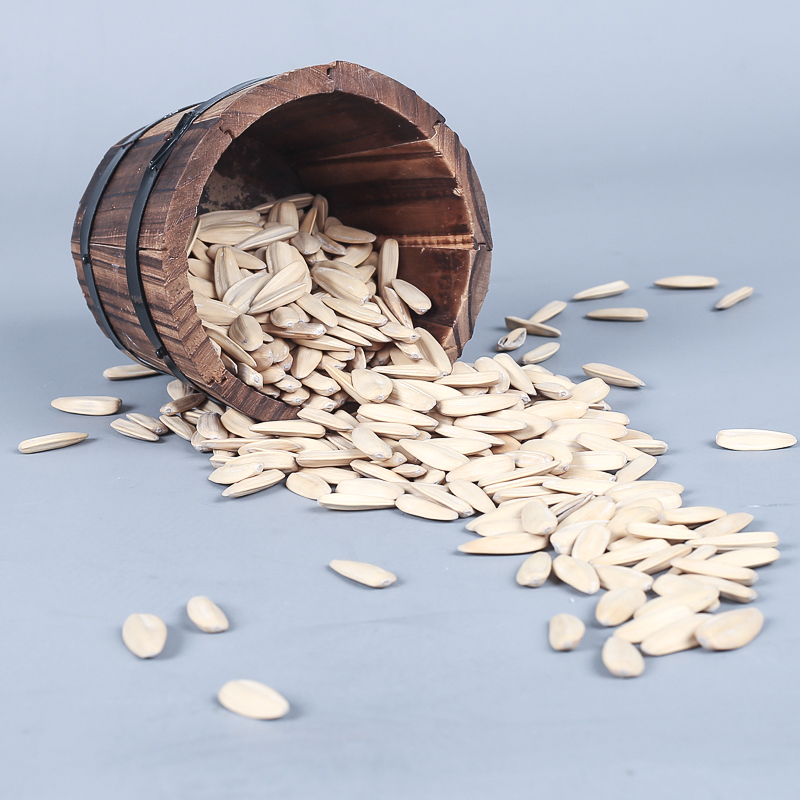
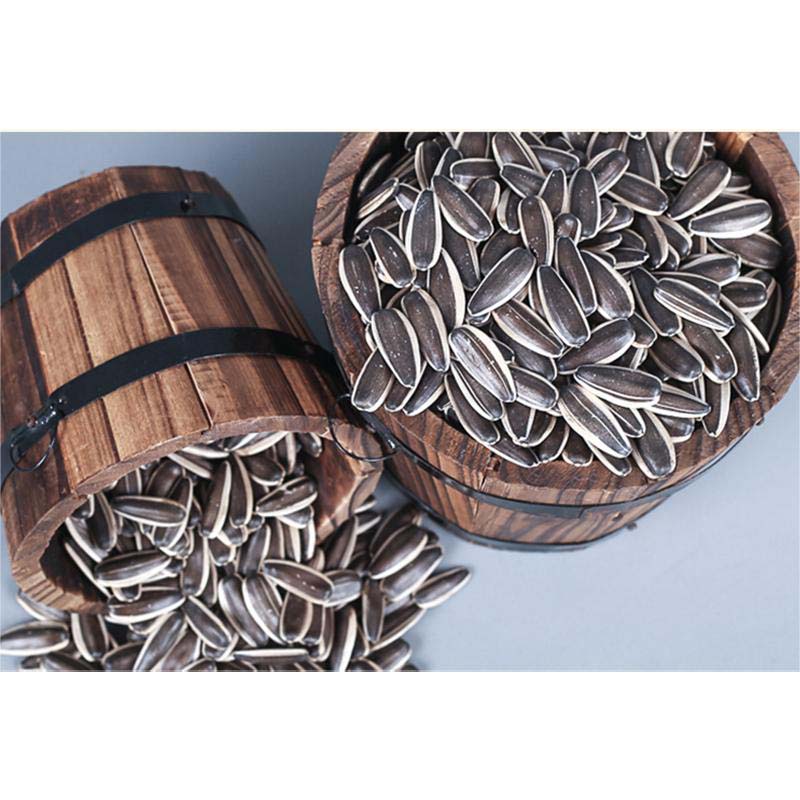
The primary raw material, sunflower seeds, exhibits variability in oil content (36-58%) based on variety and growing conditions. Key seed components include the hull (approximately 20-30%), kernel (containing the oil), and protein/fiber. The oil itself is predominantly composed of triglycerides – esters of glycerol and fatty acids. The fatty acid profile dictates the oil's properties; sunflower oil is characterized by a high linoleic acid content (typically 60-75%), making it a polyunsaturated fat. Manufacturing begins with seed cleaning to remove foreign materials. Dehulling is a crucial step, impacting oil yield and quality; efficient dehulling minimizes oil loss in the hulls. Oil extraction commonly employs two methods: mechanical pressing (expelling) and solvent extraction (typically using hexane). Expelling offers a ‘natural’ label but results in lower oil yield. Solvent extraction is more efficient but necessitates rigorous solvent removal to meet food safety regulations. Refining involves degumming (removing phospholipids using water or acids), neutralization (removing free fatty acids with alkali), bleaching (removing color pigments using activated carbon or bleaching earths), and deodorization (removing volatile compounds responsible for odor and flavor through steam distillation). Each stage requires precise parameter control – temperature, pressure, residence time, and chemical concentrations – to optimize efficiency and oil quality. For example, exceeding the optimal temperature during deodorization can lead to the formation of trans fats. Material choices for factory construction prioritize stainless steel (304/316 grades) for its corrosion resistance and hygienic properties. Piping systems utilize food-grade plastics or stainless steel. Control systems are generally PLC-based with SCADA integration for real-time monitoring and automation.
Performance & Engineering
Performance analysis within a sunflower oil factory centers around maximizing oil recovery, minimizing processing losses, and ensuring product quality. Force analysis is crucial in equipment design – specifically, the pressure applied during seed crushing and the hydraulic forces within extraction systems. Environmental resistance considerations focus on maintaining stable operating temperatures and humidity levels to prevent microbial growth and ensure process efficiency. The factory must adhere to numerous compliance requirements, including food safety regulations (HACCP, FDA, EFSA), environmental regulations (wastewater treatment, emission control), and occupational safety standards. Functional implementation involves intricate heat transfer calculations (in heat exchangers during refining) and mass transfer modeling (during solvent extraction). The design of distillation columns during deodorization requires careful consideration of vapor-liquid equilibrium and interfacial mass transfer. Mechanical integrity is vital – regular inspection and maintenance of pumps, valves, and filters are essential to prevent downtime and contamination. Efficient wastewater treatment is paramount, often involving pre-treatment (oil/water separation) followed by biological treatment (activated sludge) to reduce BOD and COD levels. Furthermore, the design must account for the flammability of hexane (if used) and implement appropriate safety measures like explosion-proof equipment and ventilation systems.
Technical Specifications
| Parameter | Unit | Typical Value | Acceptable Range |
|---|---|---|---|
| Oil Content in Seeds (Dry Basis) | % | 48 | 40-55 |
| Acid Value | mg KOH/g | 0.3 | < 0.5 |
| Peroxide Value | meq O2/kg | 2.0 | < 5.0 |
| Moisture Content | % | 0.1 | < 0.2 |
| Color (Lovibond Red/Yellow) | - | 1.5R / 30Y | < 2.5R / 40Y |
| Iodine Value | g I2/100g oil | 120 | 115-130 |
Failure Mode & Maintenance
Common failure modes in sunflower oil factories include pump cavitation (due to improper suction conditions), bearing failure in rotating equipment (insufficient lubrication or overload), valve leakage (seal degradation), filter clogging (accumulation of particulate matter), and heat exchanger fouling (scale buildup). Cracking in storage tanks can occur due to thermal stress or corrosion. Oil degradation (rancidity) is a significant concern, caused by oxidation and hydrolysis; this is exacerbated by exposure to light, heat, and oxygen. Maintenance strategies involve preventative maintenance (scheduled inspections, lubrication, filter replacements), predictive maintenance (vibration analysis, oil analysis), and corrective maintenance (repair or replacement of failed components). Regular cleaning of processing equipment is crucial to prevent biofilm formation and contamination. Corrosion prevention measures include the use of corrosion-resistant materials (stainless steel) and application of protective coatings. Oil storage tanks require nitrogen blanketing to minimize oxygen exposure and prevent oxidation. Detailed failure analysis, utilizing techniques like microscopy and spectroscopy, is essential for identifying root causes and implementing effective corrective actions. Furthermore, proper training of personnel on equipment operation and maintenance procedures is critical to minimize human error and ensure long-term reliability.
Industry FAQ
Q: What are the primary challenges in maintaining the quality of sunflower oil during long-term storage?
A: The primary challenges revolve around preventing oxidation and hydrolysis. Sunflower oil, rich in polyunsaturated fats, is susceptible to rancidity when exposed to oxygen, heat, light, and residual metal contaminants. Maintaining optimal storage conditions – cool temperatures (below 20°C), dark environments, and inert gas blanketing (nitrogen) – are essential. Regularly monitoring peroxide value and acid value is crucial for detecting early signs of degradation. High-quality packaging materials with barrier properties against oxygen and moisture are also paramount.
Q: How does the choice of solvent affect the quality of oil extracted via solvent extraction?
A: Hexane is the most commonly used solvent due to its high selectivity for oil and relatively low boiling point, facilitating easy removal. However, residual hexane levels must be meticulously controlled to meet food safety regulations. The quality of the hexane itself is also critical – it must be free from impurities and degradation products. Alternative solvents, such as supercritical CO2, are being explored for their environmental benefits, but they often come with higher capital costs and lower extraction efficiencies.
Q: What are the key considerations when selecting materials for piping and storage tanks in a sunflower oil factory?
A: Corrosion resistance is paramount. Stainless steel (304 or 316 grade) is the preferred material for most piping and tank construction due to its resistance to oil corrosion and ease of cleaning. Food-grade plastics may be used for certain applications, but their compatibility with the oil and cleaning agents must be verified. The materials must also be non-reactive with the oil and not impart any undesirable flavors or odors.
Q: How can a factory minimize water consumption during the refining process?
A: Water usage can be minimized through several strategies, including water recycling and reuse, optimization of washing procedures, and implementation of counter-current washing systems. Efficient degumming processes that minimize water consumption are also beneficial. Investing in water treatment technologies, such as reverse osmosis or ultrafiltration, can enable the reuse of treated wastewater for non-critical applications.
Q: What are the most common causes of fouling in heat exchangers, and how can this be mitigated?
A: Fouling in heat exchangers is often caused by the deposition of oil residues, phospholipids, and polymerized oil components. Mitigating fouling involves maintaining proper temperature control to prevent oil polymerization, using effective filtration to remove particulate matter, and implementing regular cleaning schedules (chemical cleaning or mechanical cleaning). Optimizing flow rates and turbulence can also help prevent fouling. Regular monitoring of heat transfer efficiency can provide early warning signs of fouling.
Conclusion
Sunflower oil production factories represent a complex interplay of agricultural processing, chemical engineering, and food safety protocols. Optimizing oil yield and quality requires meticulous control over every stage, from seed preparation to refining and storage. Addressing the inherent challenges of oxidation, hydrolysis, and process fouling demands a robust understanding of material science, heat transfer, and mass transfer principles. Continuous investment in process automation, advanced analytical techniques, and sustainable practices is crucial for maintaining competitiveness and ensuring the long-term viability of these facilities.
The future of sunflower oil factories will likely focus on minimizing environmental impact through waste valorization, optimizing energy efficiency, and exploring alternative extraction technologies. Advancements in data analytics and machine learning will enable more precise process control and predictive maintenance, further enhancing efficiency and reliability. Adapting to evolving consumer demands for healthier and more sustainable oil options will require ongoing innovation in refining processes and product development.
